Latest Blogs

Synthetic Data Is Changing AI Development: A Hidden Career Opportunity for Students
Artificial Intelligence depends heavily on data, but obtaining high-quality real-world data is becoming increasingly di… Artificial Intelligence depends heavily on data, but obtaining high-quality real-world data is becoming increasingly difficult due to privacy regulations and ethical concerns. As a result, companies are turning to Synthetic Data, one of the fastest-growing technologies in AI development. Synthetic data is computer-generated information that mimics real-world data while protecting privacy. It allows organizations to train AI models without exposing sensitive customer information. Industries such as healthcare, autonomous vehicles, banking, cybersecurity, insurance, and robotics are investing heavily in synthetic data generation. AI developers can now create millions of realistic images, videos, documents, and datasets to improve machine learning accuracy. Technical education providers are gradually introducing concepts related to Data Engineering, Artificial Intelligence, Generative AI, Data Science, Python Programming, Data Simulation, Computer Vision, and AI Ethics. The demand for professionals skilled in synthetic data generation is expected to increase as organizations expand AI adoption while complying with data privacy regulations. Students interested in Artificial Intelligence should understand that future AI systems will depend not only on algorithms but also on the quality and diversity of training data. Synthetic data specialists, AI researchers, and data engineers will play a major role in shaping the next generation of intelligent systems. For technical education students, this emerging field offers exciting opportunities to work at the intersection of AI, privacy, and innovation.
TinyML Is the Next Big Career: Why AI Is Moving Beyond the Cloud
Artificial Intelligence is no longer confined to powerful cloud servers. A new wave of innovation called TinyML (Tiny M… Artificial Intelligence is no longer confined to powerful cloud servers. A new wave of innovation called TinyML (Tiny Machine Learning) is bringing AI directly onto small devices such as smartwatches, medical sensors, drones, industrial equipment, and home automation systems. This emerging technology is quietly reshaping the future of technical education and creating exciting employment opportunities for students. TinyML enables machine learning models to run on low-power microcontrollers instead of relying on constant internet connectivity. This means devices can make intelligent decisions instantly, consume less power, and operate even in remote locations. Industries including healthcare, agriculture, automotive, manufacturing, and environmental monitoring are rapidly adopting this technology. For example, wearable devices can monitor patient health in real time, smart irrigation systems can optimize water usage, and industrial machines can detect equipment failures before they occur—all without sending data to the cloud. This opens the door for faster decision-making and greater privacy. Technical education institutions are beginning to introduce courses that combine Embedded Systems, Python, Machine Learning, IoT, Edge Computing, TensorFlow Lite, Arduino, Raspberry Pi, and AI Programming. Students who develop expertise in these areas will be well-positioned for careers in AI-powered hardware development. Industry experts believe TinyML will become a key component of the Internet of Things (IoT), where billions of connected devices require intelligent decision-making capabilities. The growing demand for smart consumer electronics, industrial automation, and healthcare devices means companies are actively searching for professionals who understand both hardware and artificial intelligence. Students entering technical education today have the opportunity to build careers in one of the newest AI domains before it becomes mainstream.
Multi-Cloud Skills Are Becoming the Biggest Advantage in IT Recruitment
A few years ago, organizations typically relied on a single cloud provider. Today, businesses increasingly operate acro… A few years ago, organizations typically relied on a single cloud provider. Today, businesses increasingly operate across AWS, Microsoft Azure, Google Cloud Platform, Oracle Cloud, and hybrid cloud environments simultaneously. This strategy, known as Multi-Cloud Computing, is creating significant demand for professionals capable of managing multiple cloud platforms. Companies choose multi-cloud environments to improve flexibility, reduce vendor dependence, enhance disaster recovery, and optimize operational costs. As organizations expand their cloud strategies, employers seek professionals with knowledge of Cloud Networking, Cloud Security, Kubernetes, Terraform, Infrastructure Automation, Identity Management, Cloud Monitoring, and Disaster Recovery Planning. Technical education institutions are updating cloud computing programs to reflect these industry changes. Rather than focusing on a single cloud platform, students are encouraged to develop transferable cloud engineering skills applicable across multiple environments. Industry experts believe multi-cloud expertise will remain one of the strongest competitive advantages for technology professionals over the next decade as enterprises continue expanding digital infrastructure and strengthening cyber resilience. For students seeking future-ready careers, mastering cloud fundamentals across multiple platforms significantly improves employability and opens opportunities in cloud architecture, DevOps engineering, cybersecurity, and enterprise infrastructure management.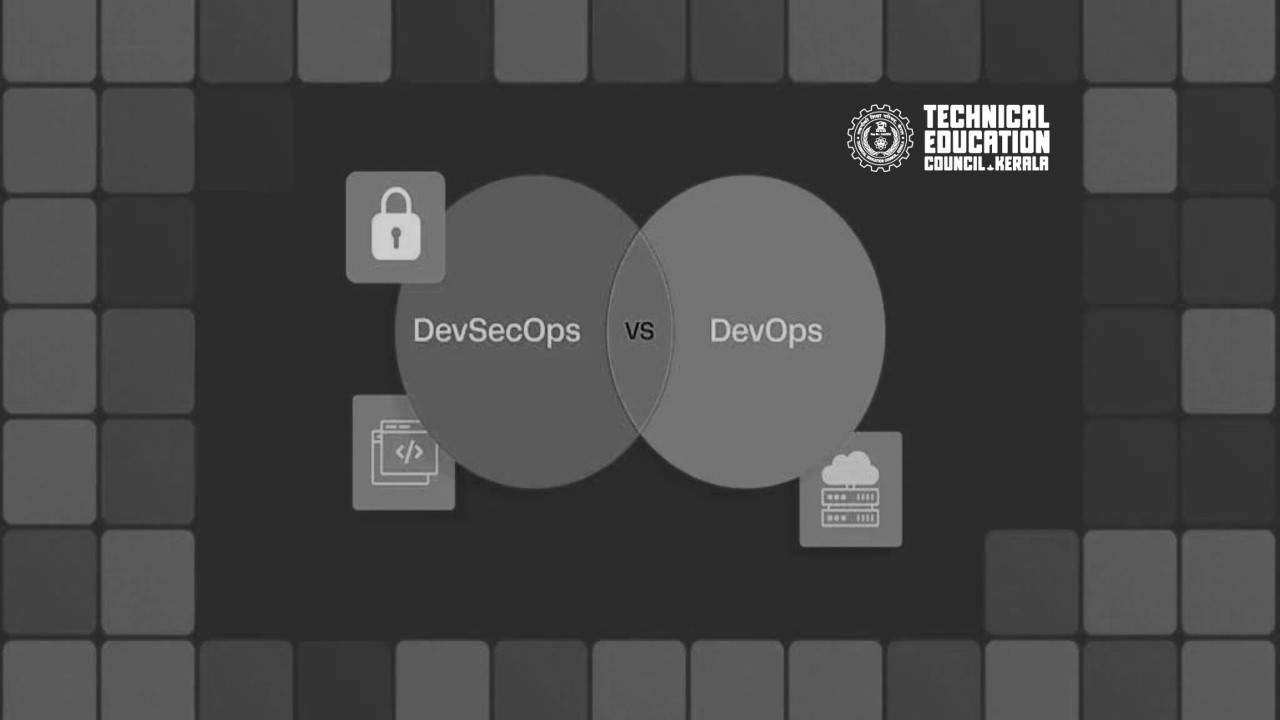
DevSecOps Is Replacing Traditional DevOps: Why Security Is Now Every Developer's Responsibility
For years, software development and cybersecurity operated as separate departments. Developers built applications, whil… For years, software development and cybersecurity operated as separate departments. Developers built applications, while security teams tested them later. That model is rapidly disappearing. Today's organizations are adopting DevSecOps, where security becomes an integral part of every stage of software development—from planning and coding to testing, deployment, and maintenance. Instead of identifying vulnerabilities after software is completed, DevSecOps integrates automated security testing throughout the development lifecycle. This approach reduces security risks while enabling faster software delivery. Students entering software development careers increasingly need practical knowledge of Git, CI/CD Pipelines, Docker, Kubernetes, Secure Coding, API Security, Vulnerability Scanning, Infrastructure as Code, and Cloud Security. Research published in 2026 also emphasizes integrating Zero Trust principles and security-first practices directly into API development pipelines to reduce vulnerabilities before deployment. Companies actively recruit professionals who understand secure software engineering because cybersecurity has become a business priority rather than an optional requirement. Technical education institutions are expanding internship programs that combine programming with cloud security and automation. For students, learning DevSecOps provides opportunities across software development, cloud engineering, cybersecurity, fintech, healthcare technology, and enterprise IT. The future software engineer is expected not only to build applications but also to secure them from the very beginning.
Cloud Reliability Engineering: The Hidden Career That Every Software Company Is Hiring For
When users open a banking app, stream a movie, or order food online, they expect digital services to work instantly. Be… When users open a banking app, stream a movie, or order food online, they expect digital services to work instantly. Behind this seamless experience are professionals responsible for maintaining cloud infrastructure around the clock. This growing discipline is known as Cloud Reliability Engineering or Site Reliability Engineering (SRE). Cloud Reliability Engineers ensure applications remain available, scalable, secure, and resilient even during unexpected failures. Their responsibilities include monitoring cloud systems, automating infrastructure, improving application performance, managing incident response, and planning disaster recovery. Recent real-world cloud service disruptions have reinforced the importance of resilient cloud infrastructure and disaster recovery planning, prompting organizations to invest more heavily in reliability engineering. Technical education institutions are introducing specialized programs covering Cloud Computing, Kubernetes, Docker, AWS, Microsoft Azure, Google Cloud Platform, Infrastructure as Code, Monitoring Tools, Linux Administration, and Cloud Automation. Industry experts believe Cloud Reliability Engineering will continue expanding as businesses migrate critical operations to cloud platforms. Students interested in cloud careers should understand that employers increasingly seek professionals capable of designing systems that remain secure, scalable, and highly available. Cloud infrastructure has become the foundation of the digital economy, making reliability engineering one of the most valuable technology careers available today.
Why Zero Trust Security Is Becoming a Must-Have Skill for Every Cloud Professional
The traditional idea of trusting users once they log into a system is disappearing. Today's organizations operate acros… The traditional idea of trusting users once they log into a system is disappearing. Today's organizations operate across hybrid cloud environments, remote workforces, mobile devices, and AI-powered applications. As a result, businesses are adopting Zero Trust Security, one of the fastest-growing cybersecurity strategies worldwide. Zero Trust follows one simple principle: Never Trust, Always Verify. Instead of automatically trusting employees, devices, or applications, Zero Trust continuously verifies every access request. Banks, government organizations, healthcare providers, and multinational companies are increasingly implementing Zero Trust architectures to protect critical digital infrastructure. Experts also note that Zero Trust is evolving to address AI-driven systems and machine-to-machine interactions rather than human users alone. This shift has created demand for professionals skilled in Identity and Access Management (IAM), Multi-Factor Authentication (MFA), Cloud Identity Security, Network Segmentation, Privileged Access Management, Endpoint Security, and Security Policy Management. Technical education providers are responding by introducing practical Zero Trust training alongside cloud computing and cybersecurity programs. Students learning Cloud Computing, DevOps, Ethical Hacking, and Network Security increasingly benefit from understanding Zero Trust principles because these concepts are becoming standard requirements in enterprise IT. For future technology professionals, Zero Trust is no longer simply a cybersecurity topic—it is becoming a core cloud infrastructure skill.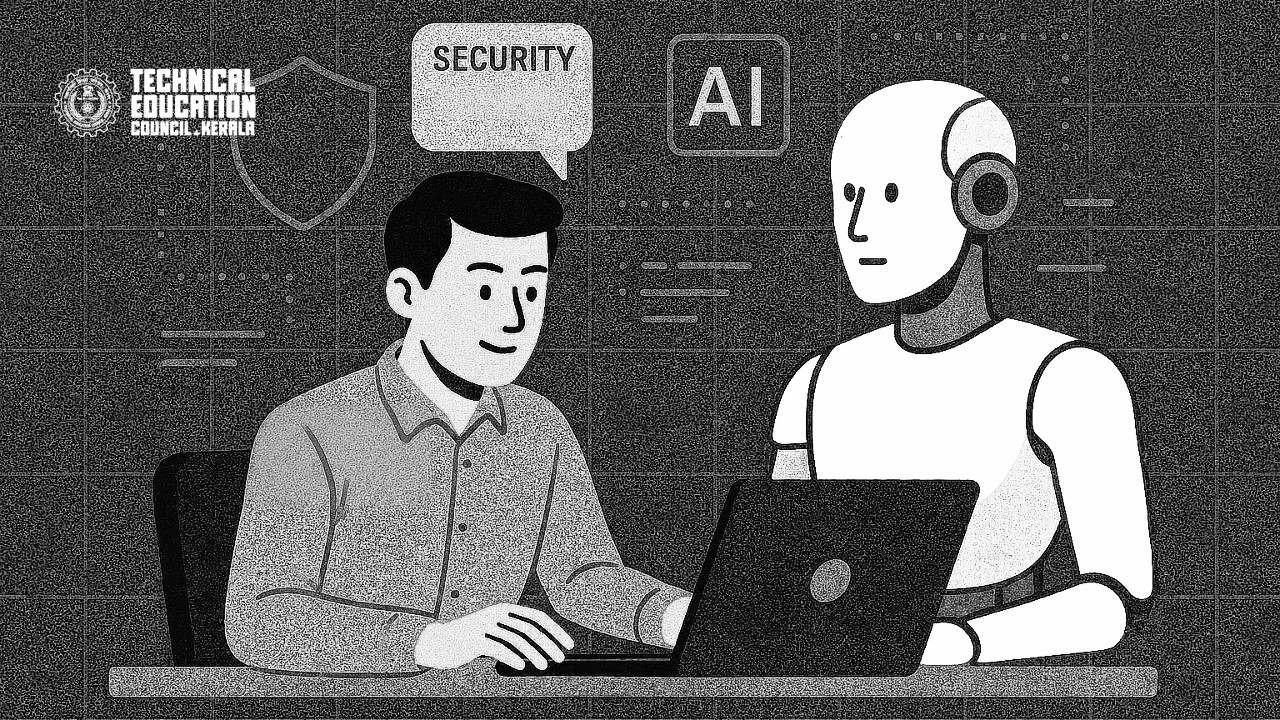
AI Security Is Creating an Entirely New Career Path: Meet the Next Generation of Cybersecurity Professionals
Artificial Intelligence is no longer just changing how businesses operate—it is transforming cybersecurity itself. Orga… Artificial Intelligence is no longer just changing how businesses operate—it is transforming cybersecurity itself. Organizations across banking, healthcare, government, manufacturing, and e-commerce are rapidly deploying AI-powered applications, but every new AI system introduces fresh security risks. This has given rise to one of the newest career domains in Information Technology: AI Security. Unlike traditional cybersecurity, AI Security focuses on protecting machine learning models, Large Language Models (LLMs), AI agents, and intelligent automation systems from misuse, manipulation, and cyberattacks. As enterprises increasingly integrate AI into business operations, demand is growing for professionals who understand both cybersecurity principles and AI technologies. Recent research and industry events have highlighted secure governance and reliability engineering for AI cloud workloads as a key priority. Companies are now hiring professionals for roles such as AI Security Analyst, AI Risk Consultant, Machine Learning Security Engineer, Prompt Security Specialist, Cloud AI Security Engineer, AI Governance Consultant, and Secure AI Architect. Technical education institutions are beginning to introduce specialized training covering Secure AI Development, AI Model Protection, Secure Prompt Engineering, Cloud AI Infrastructure, Data Privacy, AI Compliance, DevSecOps, and AI Risk Management. Another important trend is the increasing use of AI-powered cybersecurity tools. Security teams now use AI to identify threats, analyze attack patterns, prioritize vulnerabilities, and automate incident response. At the same time, cybercriminals are also using AI to generate phishing campaigns, automate reconnaissance, and develop more sophisticated attacks, creating an ongoing technological race between attackers and defenders. For students, AI Security offers excellent long-term opportunities because organizations increasingly require professionals who understand both intelligent systems and secure infrastructure.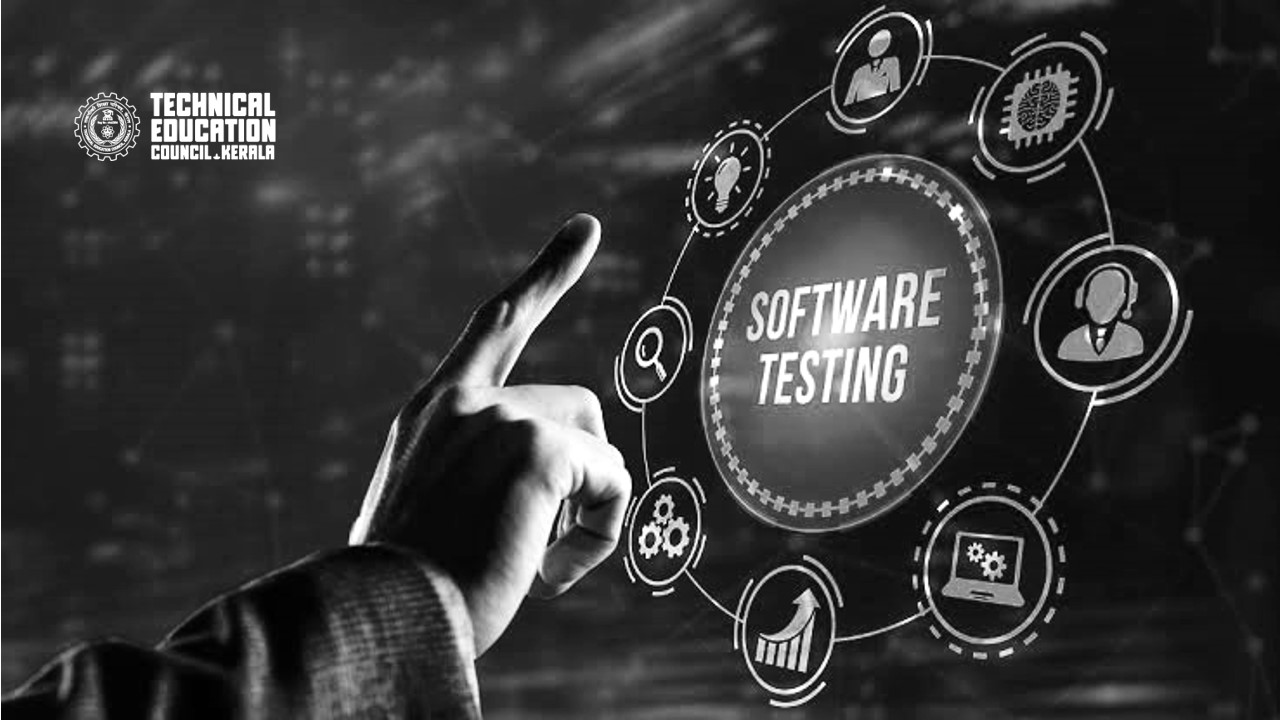
Software Testing Is Becoming a High-Growth Career in the Age of AI and Automation
As software systems become more complex, ensuring quality and reliability has become a top business priority. This has … As software systems become more complex, ensuring quality and reliability has become a top business priority. This has transformed Software Testing and Quality Assurance (QA) into one of the fastest-growing fields within Information Technology. Modern software testing goes far beyond identifying bugs. Test professionals now work with automation frameworks, performance testing tools, security assessments, and continuous testing environments. Technologies such as Selenium, Cypress, Playwright, JUnit, TestNG, API Testing, Performance Testing, and Automation Testing are becoming essential skills for quality assurance professionals. Technical education institutions are introducing specialized training programs in manual testing, automation testing, and quality engineering. Students learn how to validate software functionality, improve user experiences, and ensure application reliability. The rise of Artificial Intelligence is also influencing software testing. AI-powered testing tools help automate repetitive tasks, identify defects more efficiently, and improve testing coverage. Despite automation advancements, industry experts emphasize that human testers remain critical for usability testing, exploratory testing, business validation, and quality strategy development. Organizations increasingly view software quality as a competitive advantage. Reliable applications improve customer satisfaction, reduce operational risks, and strengthen brand reputation. For students seeking stable and growing careers in Information Technology, software testing offers excellent opportunities with strong demand across industries. The future of software development depends not only on creating innovative applications but also on ensuring they function reliably, securely, and efficiently.
API Development Is Emerging as One of the Most Valuable Software Engineering Skills
Behind every modern mobile application, website, cloud platform, and digital service lies a powerful technology that of… Behind every modern mobile application, website, cloud platform, and digital service lies a powerful technology that often goes unnoticed—Application Programming Interfaces (APIs). APIs enable different software systems to communicate and exchange information. Whether using a food delivery app, online banking platform, healthcare system, or e-commerce website, APIs are essential to the user experience. As digital ecosystems become increasingly interconnected, demand for API developers is growing rapidly. Technologies such as REST APIs, GraphQL, Microservices, JSON, Spring Boot, Django REST Framework, and Node.js APIs are becoming critical software engineering skills. Technical education programs are increasingly incorporating API development into their curriculum. Students learn how to design, build, secure, test, and deploy APIs that support modern applications. Industry experts consider API development one of the most future-proof software skills because organizations rely on integration and interoperability across multiple platforms. The growth of cloud computing, SaaS platforms, Artificial Intelligence services, and mobile applications continues to increase API usage across industries. Companies seek developers who understand not only programming but also system architecture, scalability, security, and performance optimization. API development provides exposure to all these areas. For students interested in backend development and software architecture, API engineering offers excellent career opportunities and strong industry demand. The connected digital world depends on APIs, making this one of the most important skills in modern software development.