AI Security Is Creating an Entirely New Career Path: Meet the Next Generation of Cybersecurity Professionals
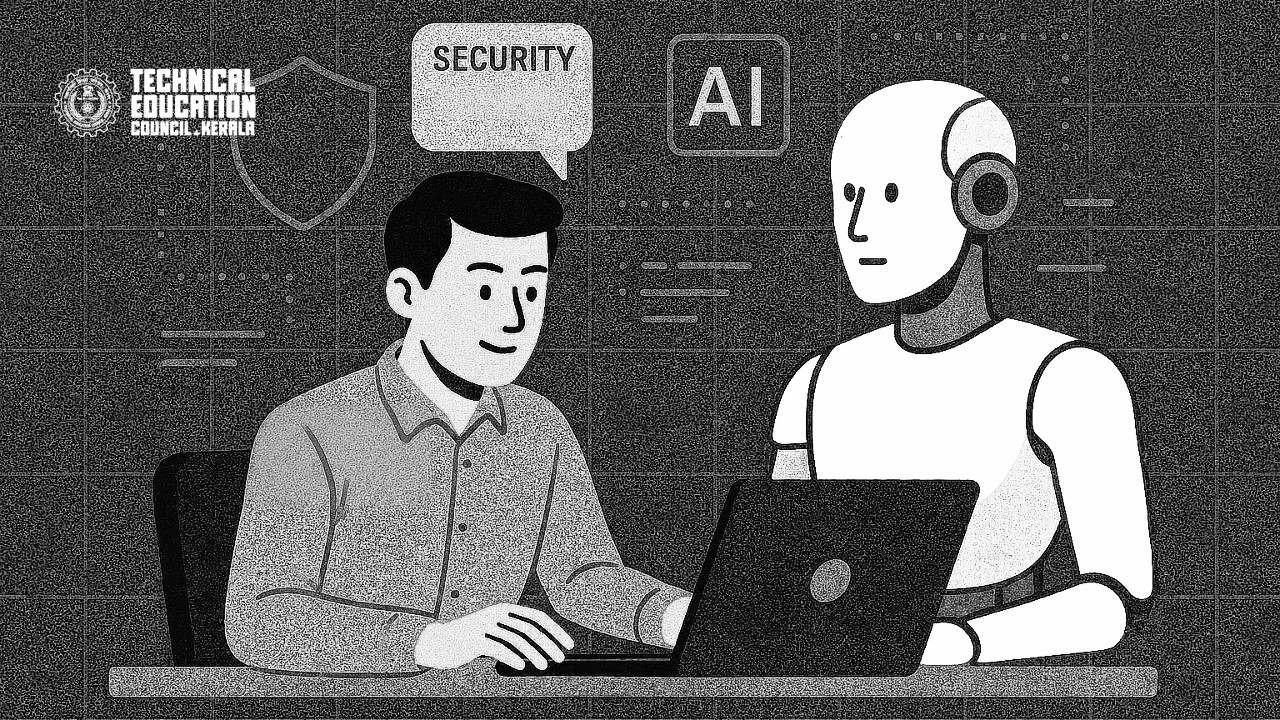
Artificial Intelligence is no longer just changing how businesses operate—it is transforming cybersecurity itself. Organizations across banking, healthcare, government, manufacturing, and e-commerce are rapidly deploying AI-powered applications, but every new AI system introduces fresh security risks. This has given rise to one of the newest career domains in Information Technology: AI Security.
Unlike traditional cybersecurity, AI Security focuses on protecting machine learning models, Large Language Models (LLMs), AI agents, and intelligent automation systems from misuse, manipulation, and cyberattacks. As enterprises increasingly integrate AI into business operations, demand is growing for professionals who understand both cybersecurity principles and AI technologies. Recent research and industry events have highlighted secure governance and reliability engineering for AI cloud workloads as a key priority.
Companies are now hiring professionals for roles such as AI Security Analyst, AI Risk Consultant, Machine Learning Security Engineer, Prompt Security Specialist, Cloud AI Security Engineer, AI Governance Consultant, and Secure AI Architect.
Technical education institutions are beginning to introduce specialized training covering Secure AI Development, AI Model Protection, Secure Prompt Engineering, Cloud AI Infrastructure, Data Privacy, AI Compliance, DevSecOps, and AI Risk Management.
Another important trend is the increasing use of AI-powered cybersecurity tools. Security teams now use AI to identify threats, analyze attack patterns, prioritize vulnerabilities, and automate incident response. At the same time, cybercriminals are also using AI to generate phishing campaigns, automate reconnaissance, and develop more sophisticated attacks, creating an ongoing technological race between attackers and defenders.
For students, AI Security offers excellent long-term opportunities because organizations increasingly require professionals who understand both intelligent systems and secure infrastructure.