Soft Skills Are Becoming the Most Valuable Qualification in Healthcare Careers
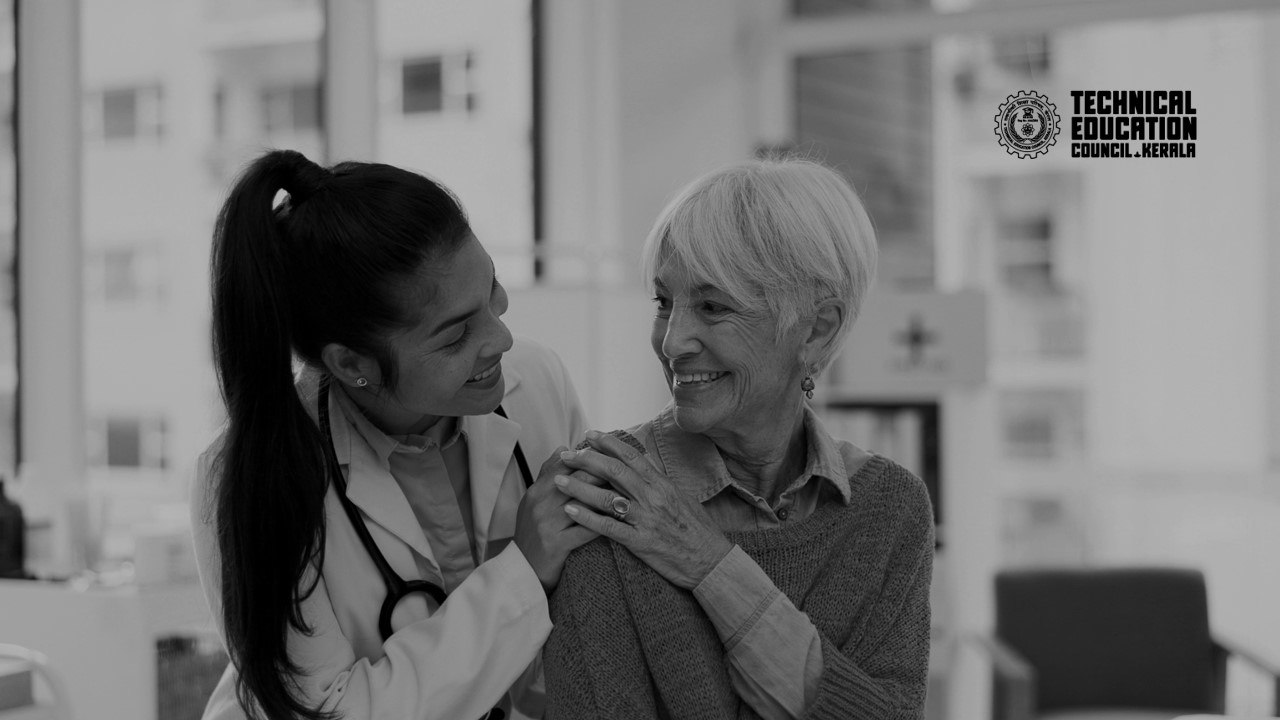
Technical competence is essential in healthcare, but patients rarely remember only medical procedures—they remember how healthcare professionals treated them.
Communication, empathy, patience, teamwork, professionalism, emotional intelligence, ethical behaviour, and cultural sensitivity have become some of the most valuable employability skills in healthcare.
Hospitals increasingly evaluate candidates not only on technical knowledge but also on their ability to communicate clearly with patients, collaborate with multidisciplinary teams, and handle stressful situations professionally.
Technical education institutions are strengthening Life Skills education by incorporating communication training, leadership development, conflict resolution, stress management, emotional intelligence, patient interaction, and workplace ethics into healthcare programmes.
Healthcare professionals frequently interact with patients experiencing fear, anxiety, pain, or emotional distress. Compassionate communication significantly improves patient satisfaction and treatment outcomes.
Students who develop both technical competence and interpersonal excellence become more effective healthcare professionals and stronger candidates during recruitment.
As healthcare becomes increasingly patient-centred, soft skills will continue distinguishing exceptional professionals from average practitioners.
For students entering healthcare education today, developing life skills is not optional—it is an essential part of becoming a trusted and successful healthcare professional.