All Available Courses
LARAVEL FOR BEGINNERS
Laravel Beginner Course is a 100% practical, project-based program designed for individuals with no prior programming experience, including students, freelancers, and aspiring junior developers. Spanning 12 weeks, the curriculum guides learners through the core architecture of the Laravel framework, PHP basics, the Model-View-Controller (MVC) pattern, and front-end integration using Blade templates and Bootstrap. Students will master database management using MySQL and Eloquent ORM, implement secure forms with robust validation, handle file uploads, and build role-based authentication systems. The course also introduces advanced concepts like complex database relationships and API development before concluding with version control and GitHub deployment. By completing weekly mini-projects alongside the curriculum, students will ultimately build a fully functional, production-ready School Management System to anchor their professional portfolios.
SOFTWARE TESTING
The Software Testing Course is a comprehensive, industry-focused training program designed to equip learners with the skills required to ensure software quality, reliability, and performance. The course covers both Manual Testing and Automation Testing, providing a strong foundation in software testing methodologies, quality assurance processes, and modern testing tools used in the IT industry. Participants begin by learning software testing fundamentals, including SDLC, STLC, Agile methodology, Scrum framework, test case design, bug reporting, requirement traceability, testing metrics, and various testing types such as functional, non-functional, web, mobile, and API testing. The program develops a thorough understanding of quality assurance practices and software validation techniques. The course also includes SQL for Testers, enabling learners to validate backend data and perform database testing using queries, joins, views, aggregate functions, and stored procedures. Additionally, participants gain programming knowledge through Core Java, which serves as the foundation for automation testing. A major focus of the program is Automation Testing with Selenium, where students learn Selenium IDE, Selenium WebDriver, TestNG, JUnit, Page Object Model (POM), data-driven frameworks, cross-browser testing, and automated test execution. The curriculum further covers API Testing with Postman, Performance Testing using Apache JMeter, and project management practices using Agile and Jira. Learners also gain experience with Git and GitHub for version control and collaborative software development. Through practical exercises, real-world projects, and hands-on testing scenarios, participants develop the ability to identify defects, automate testing processes, validate APIs, assess application performance, and contribute effectively to software development teams. The course prepares learners for careers as Software Test Engineers, QA Engineers, Automation Test Engineers, Selenium Testers, API Testers, Performance Testers, and Quality Assurance Professionals. By combining technical expertise with industry-standard tools and methodologies, this program provides a strong pathway into the rapidly growing field of software quality assurance and testing.
JAVA & SPRING BOOT DEVELOPMENT
The Java & Spring Boot Development Course is a comprehensive 3-month professional training program designed to equip learners with the skills required to build modern, scalable, and enterprise-grade web applications. The course begins with Java programming fundamentals, covering core concepts such as variables, data types, operators, control statements, methods, object-oriented programming, collections, exception handling, and file management. Learners develop strong programming and problem-solving skills through practical coding exercises and mini-projects. The program further introduces database management using MySQL and JDBC, enabling participants to create, manage, and interact with relational databases through SQL queries and database connectivity techniques. Students gain hands-on experience in performing CRUD operations and developing database-driven applications. A major focus of the course is Spring Boot, one of the most widely used frameworks for enterprise application development. Participants learn Spring Boot architecture, dependency injection, REST API development, Hibernate, Spring Data JPA, service layers, and database integration. The curriculum also covers Thymeleaf, Bootstrap, MVC architecture, form handling, validation techniques, exception management, authentication, password encryption, session management, pagination, and search functionalities. Through project-based learning, students build real-world applications such as management systems, secure login portals, RESTful APIs, and database-integrated web applications. The course culminates in a major project that combines CRUD operations, user authentication, responsive interfaces, and advanced application features, providing learners with practical industry experience. Ideal for students, graduates, and aspiring software developers, this program prepares participants for careers as Java Developers, Spring Boot Developers, Backend Developers, Full-Stack Developers, Software Engineers, and Application Developers. By combining core Java expertise with modern enterprise development frameworks, the course provides a strong foundation for building professional software solutions and pursuing successful careers in the IT industry.

LOGISTICS AND SUPPLY CHAIN MANAGEMENT
Logistics & Supply Chain Management is a professional training program that provides comprehensive knowledge of transportation, warehousing, inventory management, procurement, distribution, and supply chain operations. The course equips learners with practical skills to optimize the movement of goods, manage logistics processes efficiently, reduce operational costs, and improve supply chain performance. Ideal for students, professionals, and entrepreneurs, the program prepares participants for careers in logistics, warehousing, transportation, procurement, and supply chain management while developing the expertise needed to succeed in today's fast-growing global trade and commerce environment.

DATA ANALYTICS
Data Analytics Course is a comprehensive, industry-oriented program designed to develop essential skills in data collection, analysis, visualization, and business intelligence. The course covers Microsoft Excel, Power BI, SQL, and Python, enabling participants to transform raw data into meaningful insights for informed decision-making. Through hands-on training and real-world applications, learners gain expertise in data management, reporting, dashboard creation, database querying, and analytical problem-solving. Suitable for students, professionals, and entrepreneurs, the program prepares participants for career opportunities in data analytics, business intelligence, and data-driven decision-making across various industries. By combining practical knowledge with modern analytical tools, the course empowers learners to succeed in today's rapidly evolving digital economy.

AI & MACHINE LEARNING
The Artificial Intelligence & Machine Learning (AI & ML) Course is a comprehensive training program designed to provide learners with the knowledge and practical skills required to build intelligent systems and AI-powered applications. The course introduces the fundamentals of Artificial Intelligence, Machine Learning, and modern AI development workflows while equipping participants with industry-relevant tools and technologies. Participants begin by learning version control using Git, followed by an introduction to AI and Machine Learning concepts. The program covers Python programming for AI development and introduces essential data science libraries such as NumPy, Pandas, and Matplotlib for data manipulation, analysis, and visualization. Learners then explore core machine learning concepts, model development techniques, and real-world AI applications. The course also includes advanced topics such as YOLO (You Only Look Once) for computer vision, Natural Language Processing (NLP) fundamentals, AI chatbot development, and Retrieval-Augmented Generation (RAG) systems that power modern AI assistants and knowledge-based applications. Through hands-on projects and practical implementation, participants gain experience in developing intelligent solutions capable of solving real-world problems. The program concludes with a capstone project and presentation, enabling learners to apply their knowledge in a practical environment while building a professional portfolio. Ideal for students, graduates, developers, and technology enthusiasts, the course prepares participants for emerging careers as AI Developers, Machine Learning Engineers, Data Analysts, AI Application Developers, NLP Engineers, and Intelligent Systems Specialists. By combining theoretical foundations with practical AI development skills, the course provides a strong pathway into the rapidly growing world of Artificial Intelligence and Machine Learning.

CYBER SECURITY
The Cyber Security course provides a strong foundation in protecting digital systems, networks, and data from cyber threats. It equips learners with essential knowledge of cybersecurity principles, tools, and best practices required to safeguard information systems. Participants will learn how to identify vulnerabilities, detect and respond to cyber threats, and implement security measures such as encryption, network security, and risk management. The course also introduces key concepts like ethical hacking, data protection, and threat mitigation strategies. Through practical learning, students gain the skills needed to secure digital assets and prepare for careers in cybersecurity, IT security, and network protection, making them industry-ready in a rapidly growing field.
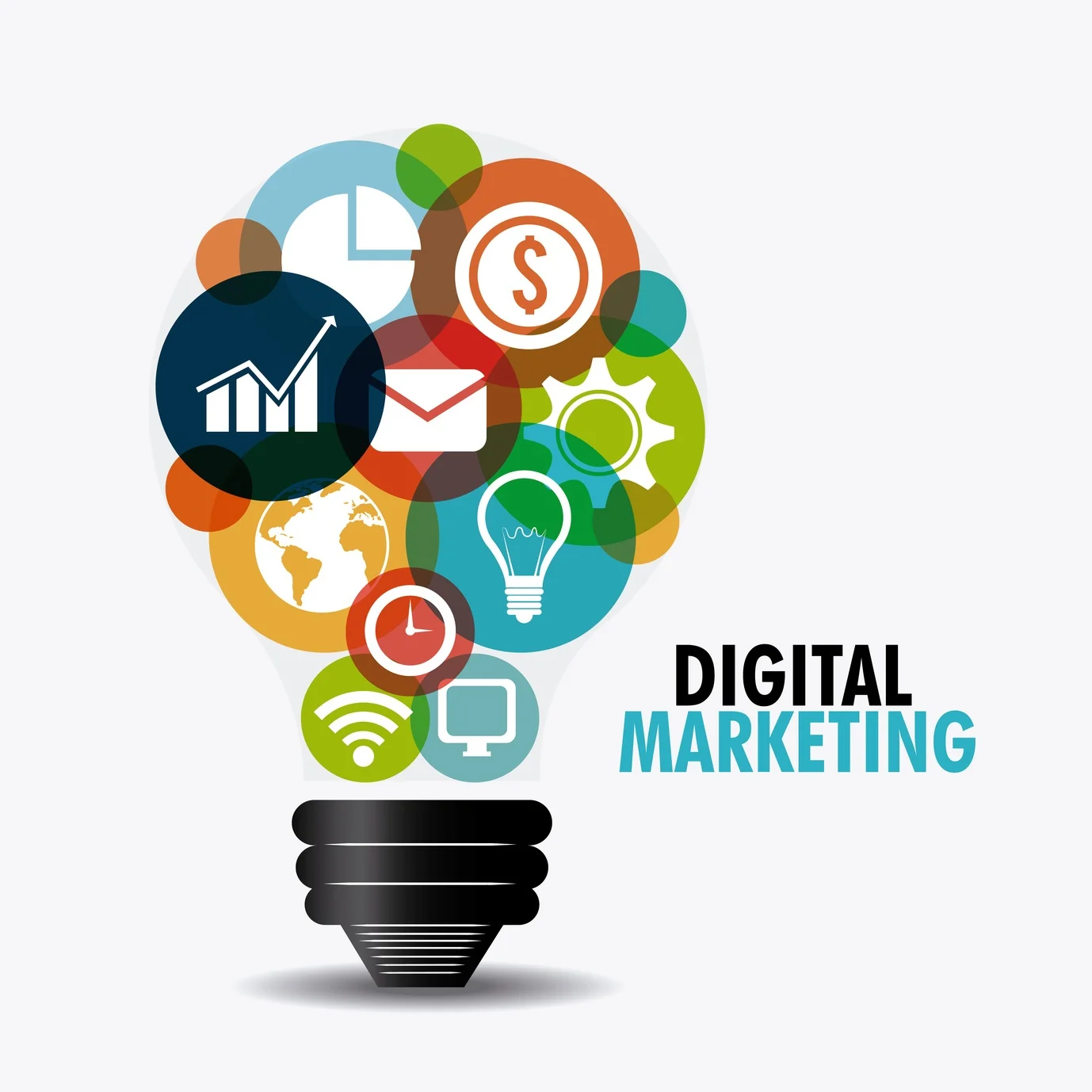
DIGITAL MARKETING
The Digital Marketing course is a comprehensive, step-by-step program designed to take learners from foundational concepts to advanced marketing strategies and real-world applications. It equips participants with the skills to plan, execute, and analyze digital marketing campaigns across multiple online channels. The course covers key areas such as Search Engine Optimization (SEO), Pay-Per-Click (PPC) advertising, content marketing, social media marketing, email marketing, video marketing, and influencer strategies. Learners will also explore advanced techniques like retargeting, personalization, and marketing automation, along with the use of web analytics tools to measure performance and optimize campaigns. Through practical learning and real-world scenarios, participants will gain the ability to develop data-driven digital marketing strategies, preparing them for careers in digital marketing, branding, and online business growth.