Latest News
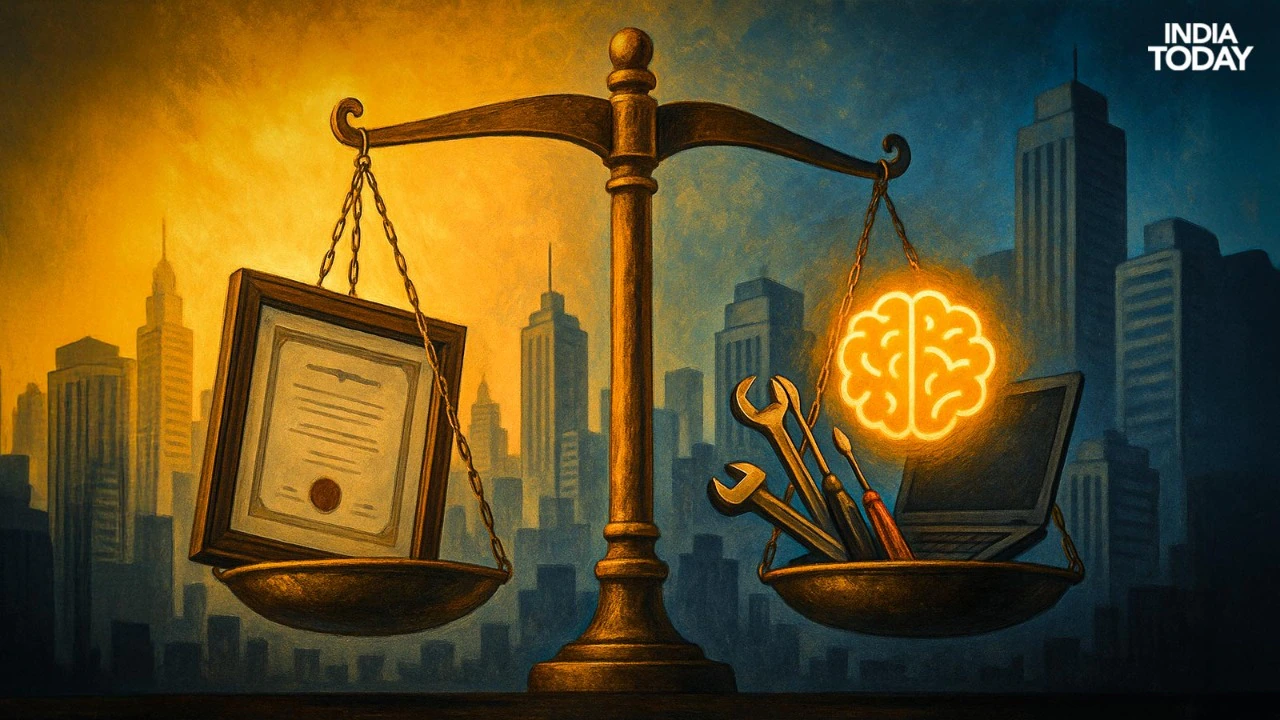
Employability in India Reaches Highest Level as Technical Skills Gain Industry Recognition
New Delhi, July 2026: According to recent national skill development updates, India's employability has shown a steady rise, reflecting stronger alignment between technical education and industry needs. Employers are increasingly recruiting candidates with practical competencies in manufacturing, industrial automation, mechatronics, quality control, CNC machining, cloud technologies, and digital production systems. Government agencies, technical institutions, and industry partners continue to strengthen apprenticeship programmes, competency-based training, and industry-integrated education to prepare students for modern manufacturing careers. Experts emphasise that specialised technical skills combined with practical experience remain among the strongest drivers of employment in India's evolving industrial economy.
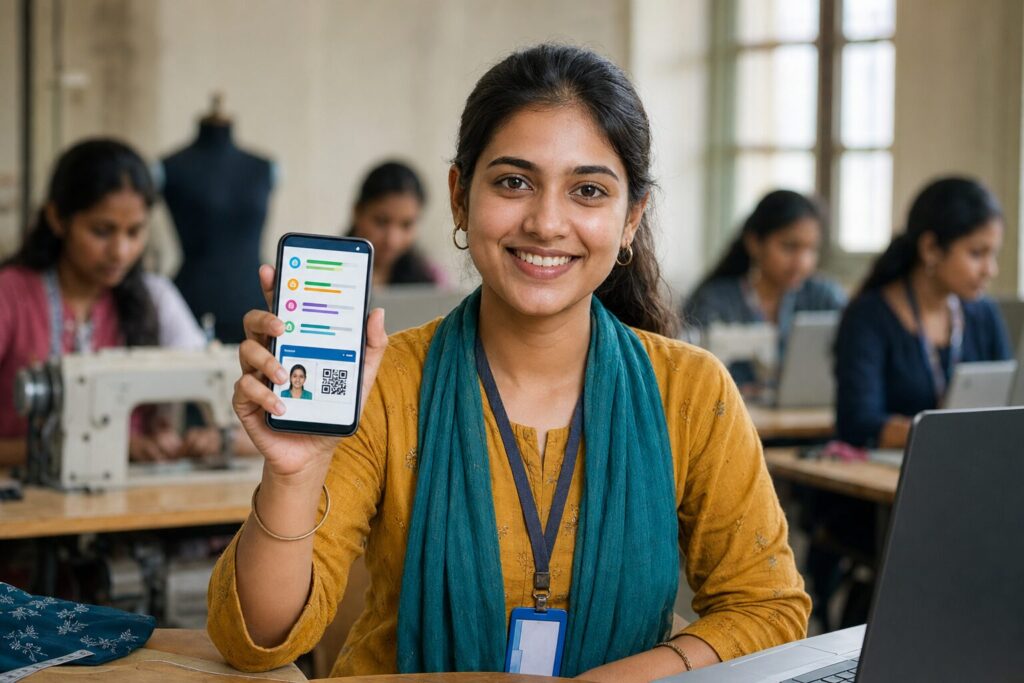
Online Technical Education Expands Through SWAYAM and Skill India Digital Hub
New Delhi, July 2026: Online technical education continues to expand as institutions integrate digital learning platforms into vocational and engineering education. Universities have been directed to incorporate SWAYAM online courses into academic programmes, while the Skill India Digital Hub (SIDH) offers free and accessible training across multiple technical disciplines, including manufacturing technologies, coding, AI, digital skills, and engineering fundamentals. These initiatives allow students to complement classroom education with nationally recognised online certifications, flexible learning opportunities, and industry-relevant technical skills. Experts believe blended learning models will become a permanent feature of technical education in India.
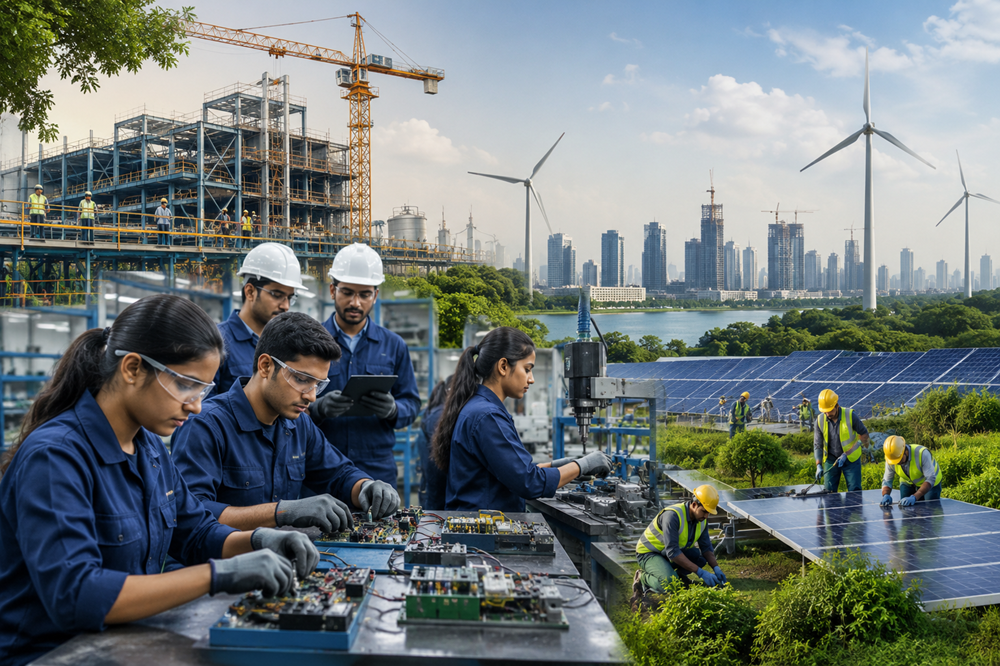
Skill India Ecosystem Focuses on Green Manufacturing and Future Industrial Skills
New Delhi, July 2026: India's skill development ecosystem is increasingly prioritising green manufacturing, sustainable production technologies, and advanced industrial skills. Industry experts highlight growing demand for professionals trained in renewable energy systems, electric vehicle manufacturing, industrial automation, robotics, quality management, and circular manufacturing practices. Training providers and technical institutions are expanding programmes related to Industry 4.0, smart manufacturing, automation, predictive maintenance, and environmentally sustainable production methods. The shift reflects India's broader objective of developing a future-ready manufacturing workforce while supporting industrial growth and sustainability.
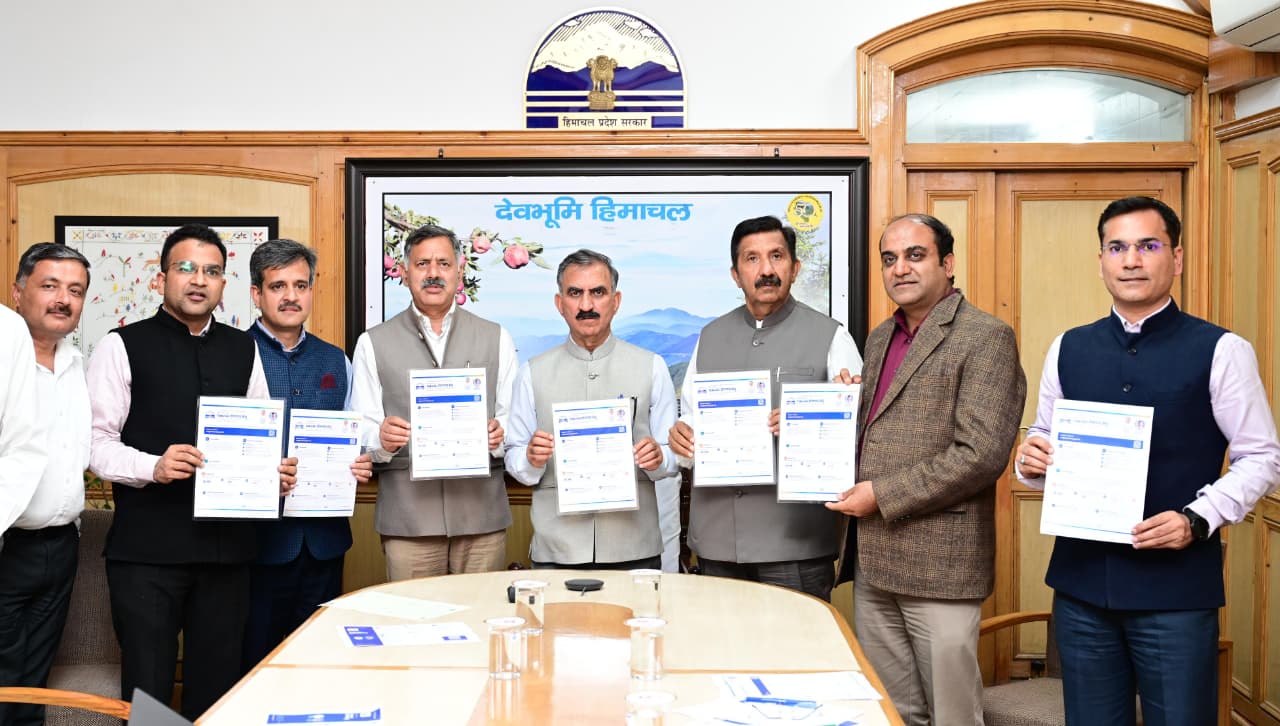
Himachal Pradesh Launches 'Takniki Rozgar Setu' to Connect Technical Students with Industry
Shimla, July 2026: The Himachal Pradesh Government has launched Takniki Rozgar Setu, a digital employment platform designed specifically for students pursuing technical education. The portal connects learners from engineering colleges, polytechnics, and vocational institutions with employers, apprenticeship opportunities, internships, and industry recruitment drives. The initiative aims to improve employment outcomes by strengthening collaboration between educational institutions and industries. Students can access job opportunities, skill development programmes, and career guidance through a single digital platform, supporting a smoother transition from education to employment.
International Skill Centre Inaugurated with ₹520 Crore ITI Modernisation Initiative
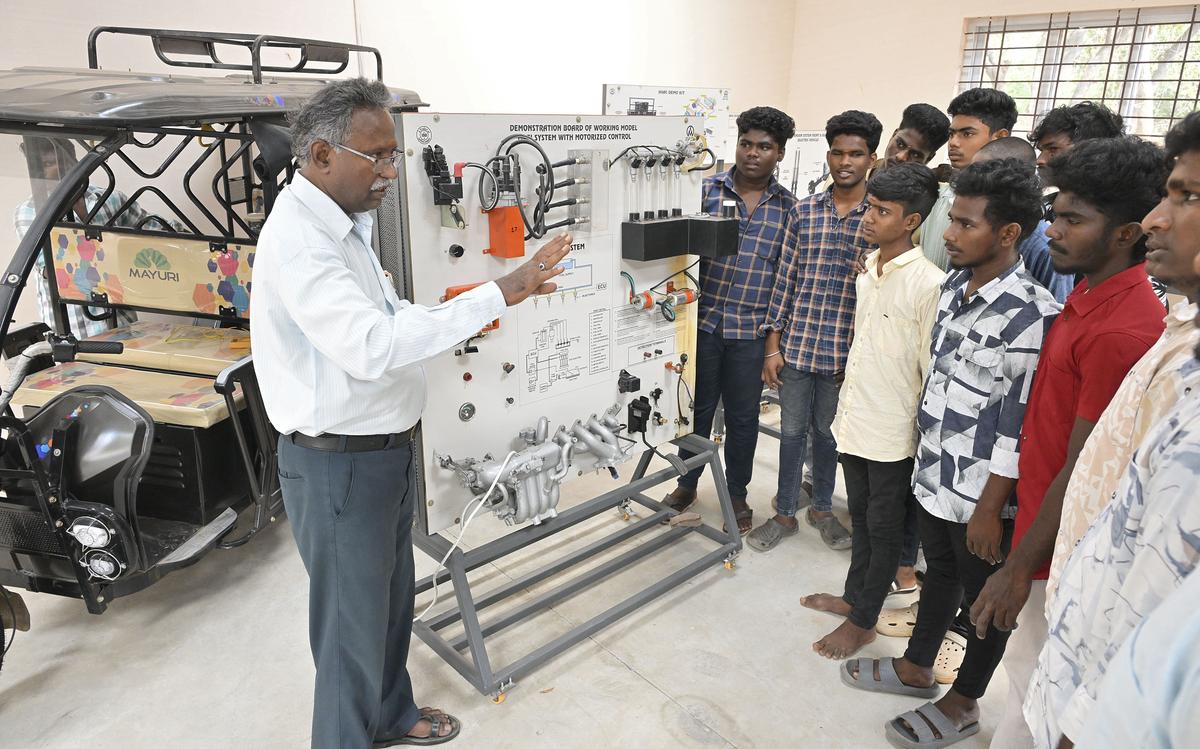
Kaithal, Haryana, July 2026: A new International Skill Centre has been inaugurated in Kaithal alongside the announcement of projects worth over ₹520 crore to modernise Industrial Training Institutes (ITIs) under the PM SETU initiative. The investment will upgrade training infrastructure, introduce modern laboratories, and strengthen industry-oriented vocational education. The upgraded institutes will focus on advanced manufacturing, industrial maintenance, automation, precision engineering, electrical trades, renewable energy technologies, and modern fabrication techniques. Experts believe these improvements will significantly enhance employability and help bridge the gap between technical education and industrial workforce requirements.
Union Cabinet Set to Launch Incentive Scheme for Construction Equipment Manufacturing
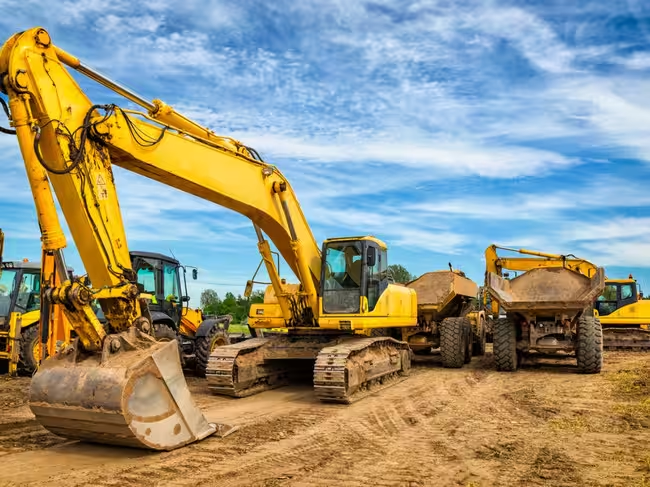
New Delhi, July 2026: The Government of India is preparing to roll out a major incentive scheme to strengthen domestic manufacturing of construction and infrastructure equipment. The initiative, announced in the Union Budget 2026–27, aims to increase indigenous production, reduce import dependence, and generate employment in sectors such as heavy machinery, fabrication, welding, industrial automation, and precision manufacturing. Industry experts believe the initiative will significantly increase demand for skilled technicians, CNC machine operators, industrial electricians, welders, mechatronics engineers, quality inspectors, and maintenance professionals. Technical institutions and Industrial Training Institutes (ITIs) are expected to align their training programmes with these emerging industry requirements.

Young Hindi-Medium Student's JEE Success Highlights the Power of Online Learning
New Delhi, July 2026: A remarkable success story has attracted nationwide attention after a 14-year-old Hindi-medium student cracked the highly competitive JEE Advanced examination through online learning. His achievement has challenged long-standing assumptions that English-medium education is the only pathway to academic excellence. Education experts say the story demonstrates how online education, quality digital resources, strong communication skills, curiosity, and consistent learning habits can help students from diverse educational backgrounds achieve exceptional success. The achievement is also encouraging institutions to strengthen regional language content, digital education platforms, and personalized learning pathways for students across India.
Government Launches Roadmap to Expand Higher Education in Regional Languages
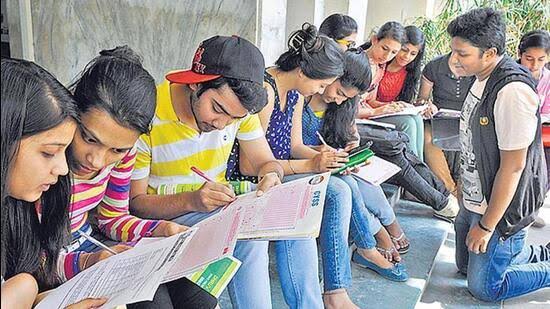
New Delhi, July 2026: The Bar Council of India (BCI), in collaboration with the Government of India, has initiated a 10-year roadmap to expand higher education in Hindi and other Indian regional languages. The initiative aims to make professional education more accessible while maintaining English as an important global language. Education specialists believe multilingual education will improve learning outcomes, increase student participation, and create more inclusive higher education opportunities. Technology, AI-powered translation, and digital learning platforms are expected to play a major role in enabling multilingual education across universities. The initiative also highlights the growing importance of language proficiency, communication skills, and bilingual competence in India's future workforce.
IIT Madras Hosts National Workshop to Promote Student Wellness and Personal Growth
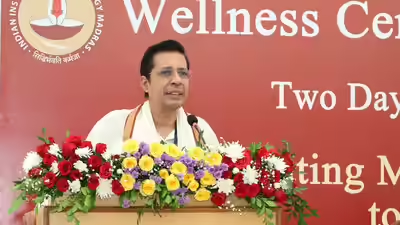
Chennai, July 2026: Recognizing that academic success depends on emotional well-being, IIT Madras hosted a two-day national workshop titled "Celebrating Minds: From Academic Excellence to Sustainable Wellness." The event brought together more than 200 faculty members and student support professionals from higher education institutions across South India. Conducted under the Ministry of Education's Malaviya Mission Teacher Training Programme, the workshop focused on strengthening student support systems through mental wellness, resilience, emotional intelligence, and holistic development. Experts highlighted that personal growth, stress management, communication, and emotional well-being are becoming essential components of technical education alongside academic excellence.
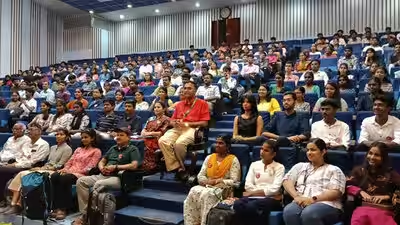
IIT Madras Honours 1,842 NPTEL Stars for Excellence in Lifelong Online Learning
Chennai, July 2026: IIT Madras recently honoured 1,842 "NPTEL Stars" from South India for their outstanding achievements in completing multiple online certification programmes through the National Programme on Technology Enhanced Learning (NPTEL). The recognition celebrated learners who demonstrated exceptional commitment to continuous learning and professional development. Many of the completed courses focused on communication skills, leadership, management, artificial intelligence, business, technical education, and emerging technologies. The event reflects India's growing emphasis on continuous upskilling, with online education becoming an essential part of professional growth. Educational leaders believe lifelong learning is now one of the most valuable employability skills in today's rapidly changing job market.