Latest News
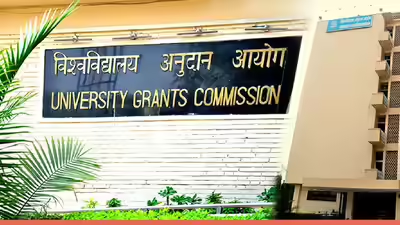
UGC Strengthens SWAYAM Integration to Promote Flexible Learning and Communication Skills
New Delhi, July 2026: The University Grants Commission (UGC) has directed Higher Education Institutions across India to integrate SWAYAM MOOCs into the July 2026 academic semester. Universities have been asked to map online courses with existing degree programmes, encourage student enrolment, and even conduct SWAYAM examinations on campus. Education experts believe this initiative will significantly improve access to communication, language development, personality enhancement, entrepreneurship, leadership, and professional skill courses. Students can now earn academic credits while simultaneously improving employability through nationally recognized online learning. The move represents another major step towards flexible, technology-enabled education that supports lifelong learning and career readiness.

Life Skills Education Gains Momentum as Career Readiness Becomes a Priority
India, June–July 2026: Educational institutions are increasingly integrating life skills education into technical and vocational programs to improve student employability. Communication skills, teamwork, emotional intelligence, leadership, critical thinking, problem-solving, financial literacy, adaptability, and professional ethics are becoming essential components of career-focused education. Experts say employers now evaluate candidates not only on technical competence but also on interpersonal abilities and workplace readiness. As a result, colleges and training institutes are introducing structured life skills modules alongside technical curricula, helping students transition more effectively into professional environments. This holistic approach is expected to produce graduates who are both technically proficient and well-prepared for the evolving demands of the healthcare and broader employment sectors.
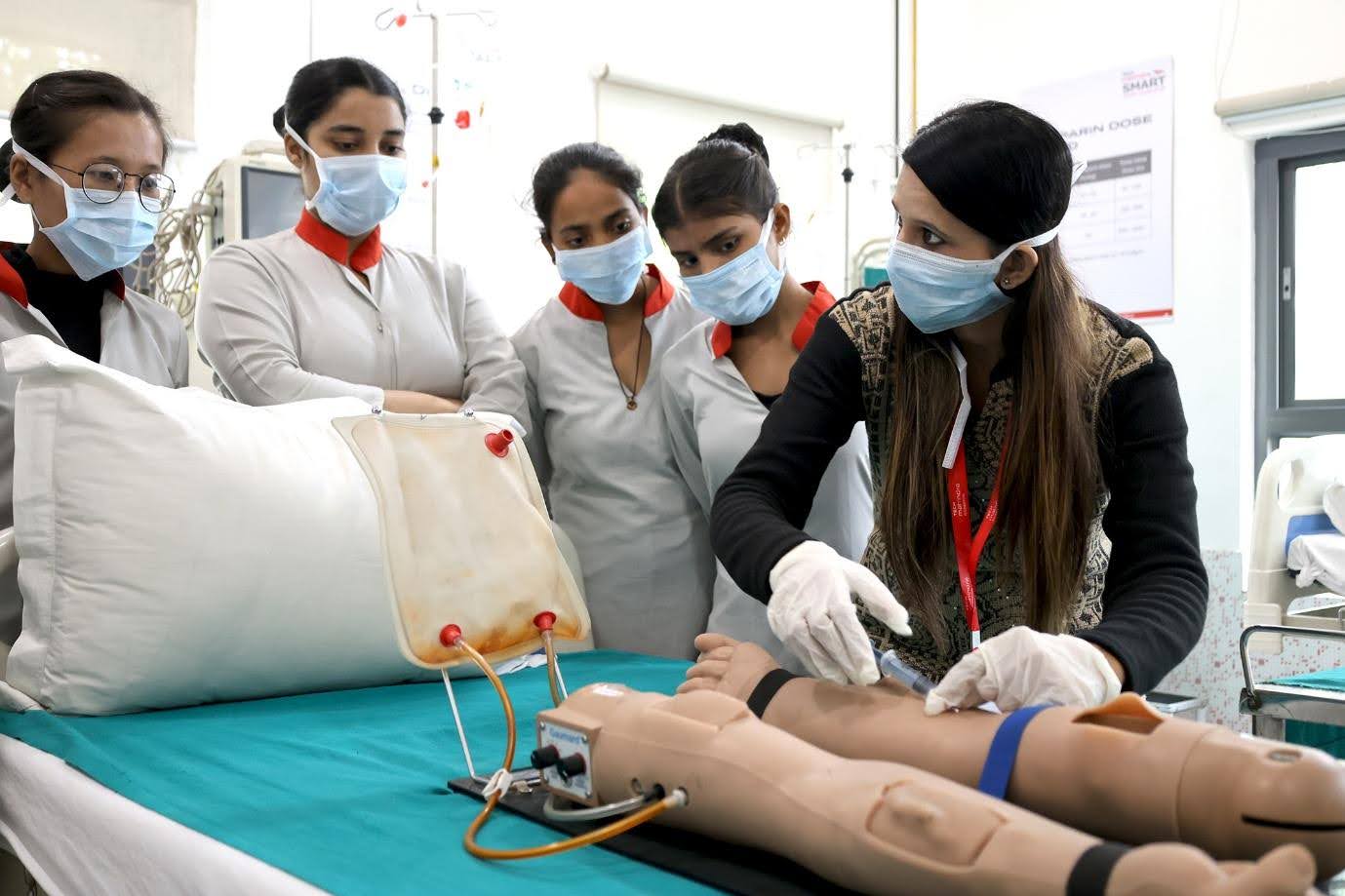
Skill Development Ecosystem Expands Apprenticeships in Healthcare and Paramedical Fields
New Delhi, June 2026: India's skill development ecosystem continues to strengthen apprenticeship opportunities across technical and healthcare sectors. Recent workforce development initiatives include expanded apprenticeship opportunities covering engineering, ITI, and paramedical disciplines, providing students with valuable industry exposure before graduation. Government agencies, industry partners, and training institutions are collaborating to modernize vocational education through industry-led partnerships, improved infrastructure, and competency-based training. Healthcare-related apprenticeships are expected to improve employment outcomes by providing practical clinical experience alongside classroom education.
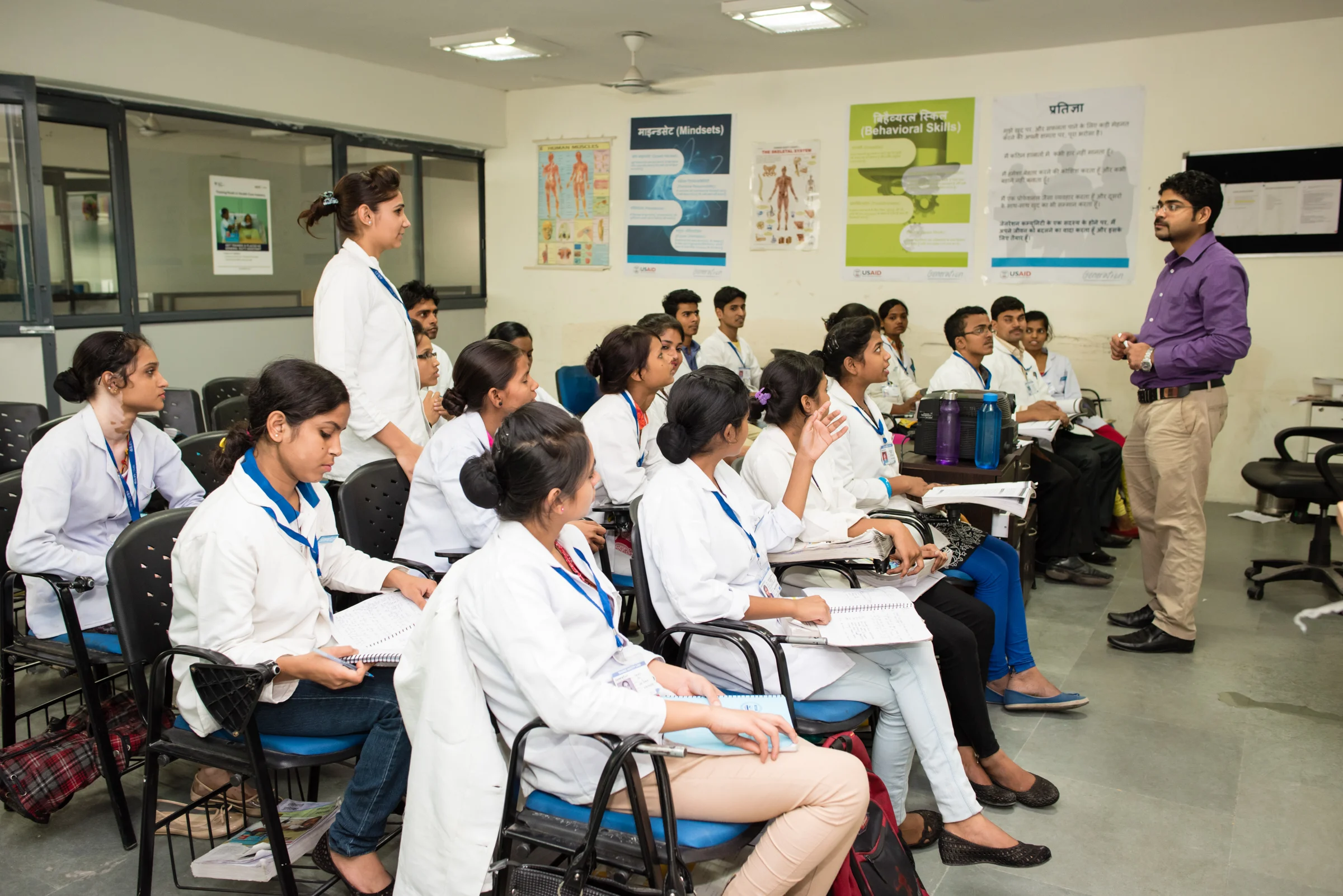
Healthcare Skill Development Focuses on Job-Ready Practical Training
Hyderabad, June 2026: Skill development organizations across India are strengthening healthcare and paramedical education by emphasizing practical training, job readiness, and real-world clinical exposure. Institutions are increasingly adopting hybrid learning models that combine classroom instruction with laboratory practice, internships, and hospital-based experience. Courses in emergency care, patient assistance, medical laboratory technology, pharmacy support, healthcare administration, and diagnostic services are being redesigned to align with industry requirements. Experts believe this approach improves employability while ensuring graduates possess the competencies expected by modern healthcare providers. The emphasis on hands-on learning is helping bridge the gap between academic education and workplace expectations in hospitals and healthcare facilities.

Distance Learning Programs Expand Opportunities for Healthcare Professionals
New Delhi, June 2026: The National Institute of Health and Family Welfare (NIHFW) has announced admissions for its distance learning postgraduate diploma programs aimed at healthcare professionals seeking career advancement without leaving their current jobs. The growing popularity of flexible online healthcare education reflects increasing demand for lifelong learning among professionals working in hospitals, public health organizations, and healthcare administration. Experts note that hybrid and distance education models are enabling healthcare workers to upgrade their skills while continuing clinical practice. This trend supports continuous professional development and helps bridge workforce gaps in India's healthcare sector.

Allied Healthcare Education Shifts Towards Specialized, Industry-Oriented Training
New Delhi, June 2026: Healthcare education in India is witnessing a major transformation as institutions move beyond general paramedical courses to introduce specialized training in medical laboratory sciences, emergency medical technology, radiology, physiotherapy, respiratory therapy, operation theatre technology, and rehabilitation sciences. Experts emphasize that India's expanding healthcare infrastructure requires highly trained allied healthcare professionals capable of supporting doctors through advanced diagnostic, therapeutic, and patient-care services. Educational institutions are increasingly collaborating with hospitals to provide simulation-based learning, internships, and competency-based assessments. Industry leaders also stress that integrating digital health technologies, artificial intelligence, telemedicine, and healthcare informatics into paramedical education will improve graduate employability and strengthen the healthcare workforce.
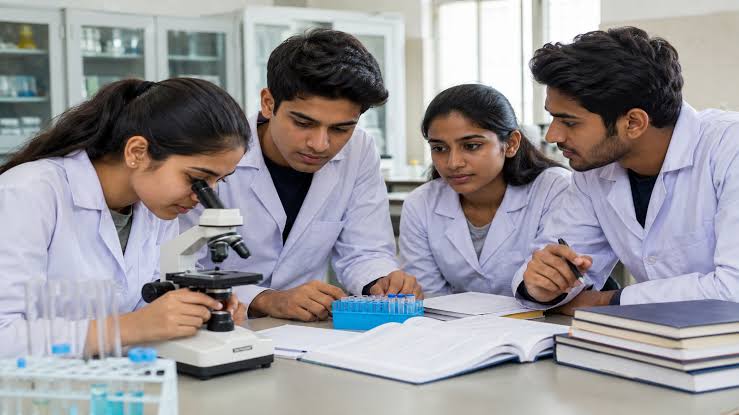
Uttar Pradesh Expands Digital Learning Support to Nursing and Paramedical Students
Lucknow, July 2026: The Government of Uttar Pradesh has expanded its digital education initiative, Swami Vivekananda Yuva Sashaktikaran Yojana, to benefit students enrolled in nursing, paramedical, diploma, ITI, technical education, and skill development programs. Eligible students receive free smartphones or tablets, enabling access to online classes, digital study materials, virtual laboratories, and career-oriented learning resources. Education experts believe that improving digital access for healthcare and paramedical students will strengthen workforce readiness by making online education and technical training more accessible. The initiative also supports self-learning, digital literacy, and employability among students preparing for healthcare careers.
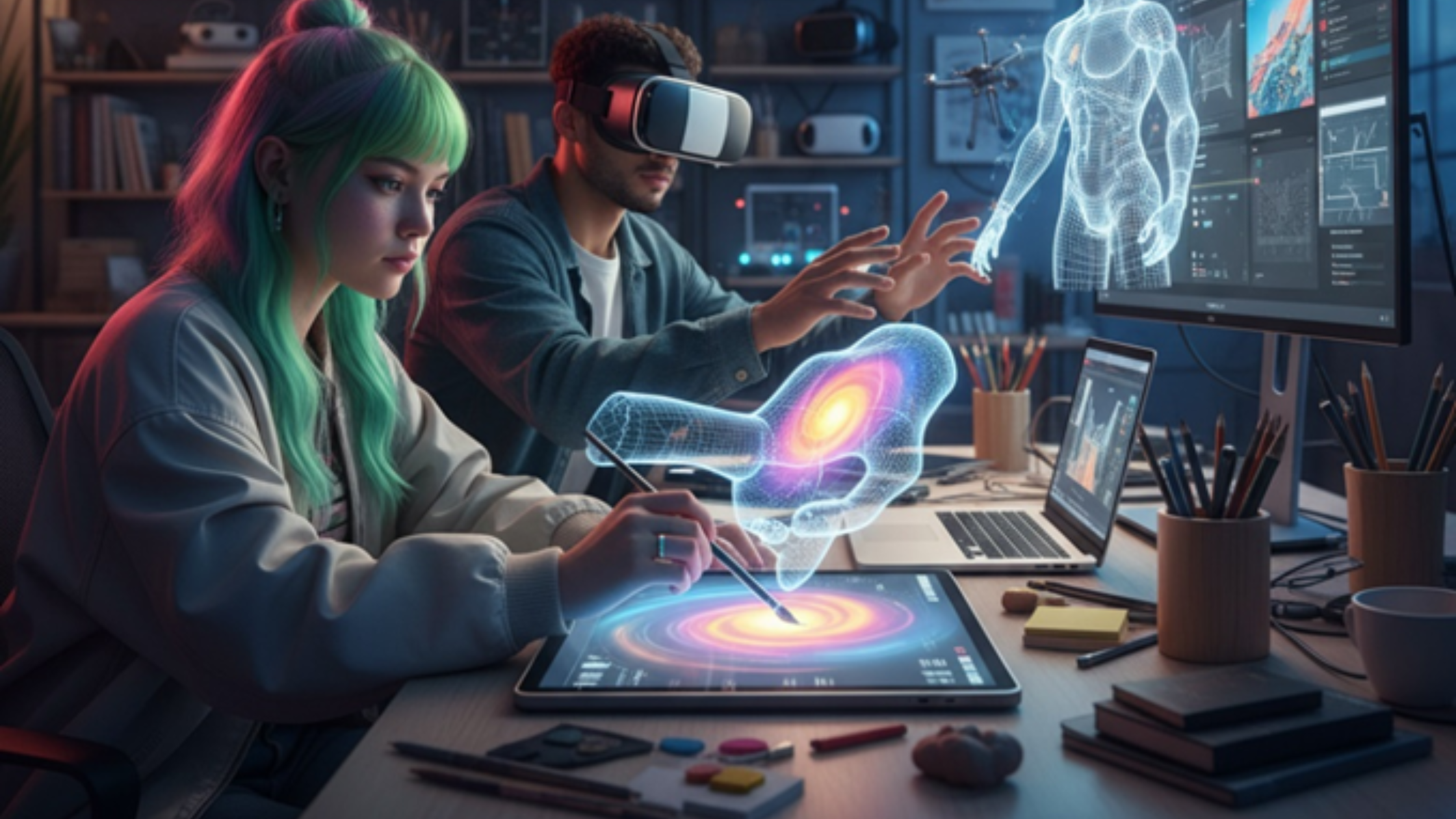
Design Education Expands Beyond Traditional Art and Enters Technology-Driven Domains
Pune, June 2026: Design education in India is undergoing a major transformation. Modern design programs now incorporate user experience design, digital product design, human-centered innovation, design thinking, AI-assisted creativity, and technology-driven problem-solving. Universities report growing student interest in careers such as UI/UX Designer, Product Designer, Design Researcher, Interaction Designer, Creative Technologist, and Digital Experience Consultant. Industry collaborations, startup incubation opportunities, and interdisciplinary learning models are becoming common features of contemporary design education.
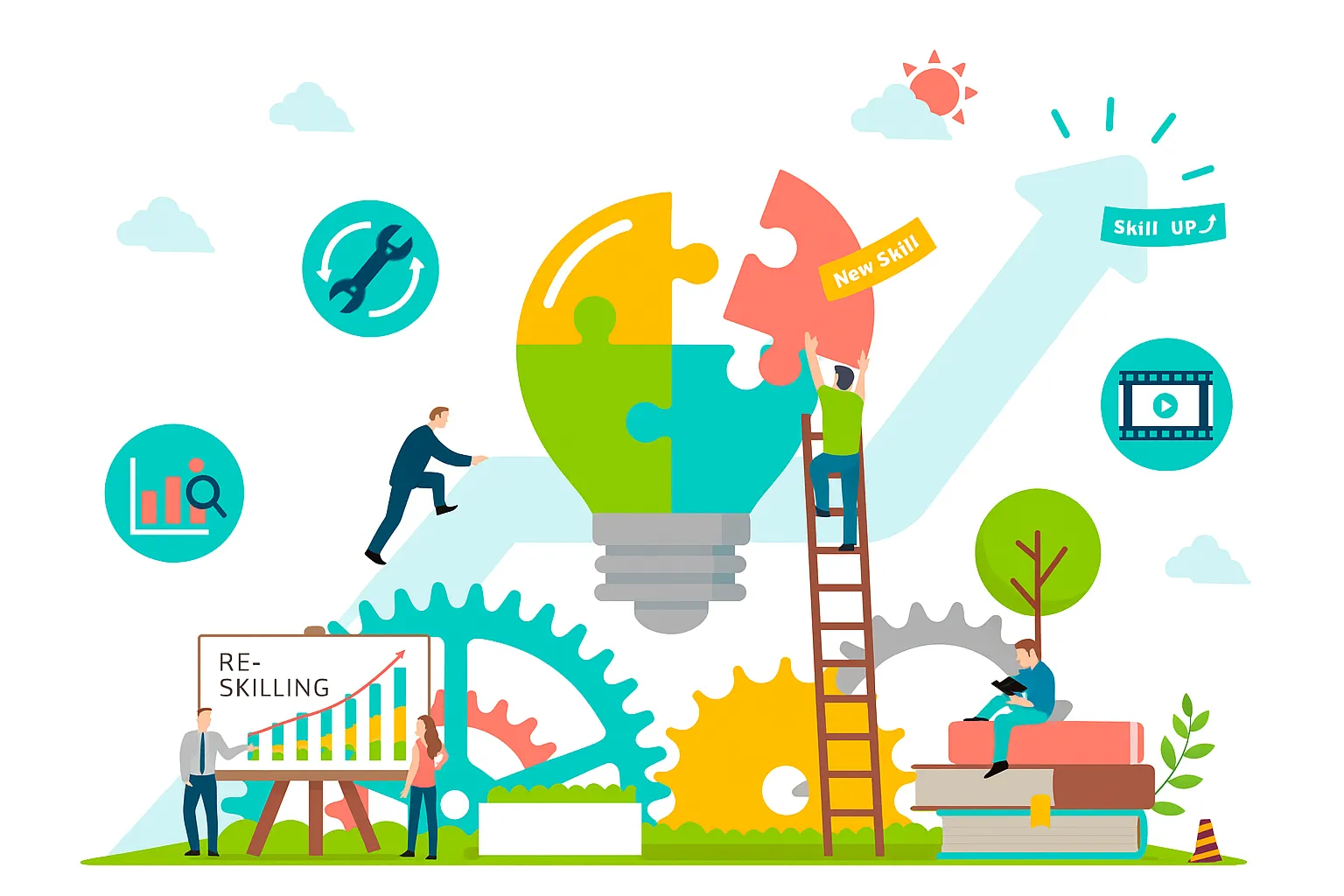
Creative Education Institutions Focus on Industry-Ready Skills and Employability
Mumbai, June 2026: Creative education providers are increasingly redesigning their curricula to emphasize employability and industry readiness. Institutions specializing in media, design, animation, and visual communication are introducing project-based learning, internships, portfolio development, and direct industry engagement. Educational leaders emphasize that employers today seek professionals who combine creativity with technical expertise. Students are being trained in UI/UX Design, Graphic Design, Animation, Motion Graphics, Video Production, Branding, Digital Marketing Design, and Emerging Creative Technologies. Experts believe this shift is helping bridge the gap between academic learning and industry expectations while improving employment outcomes for graduates.
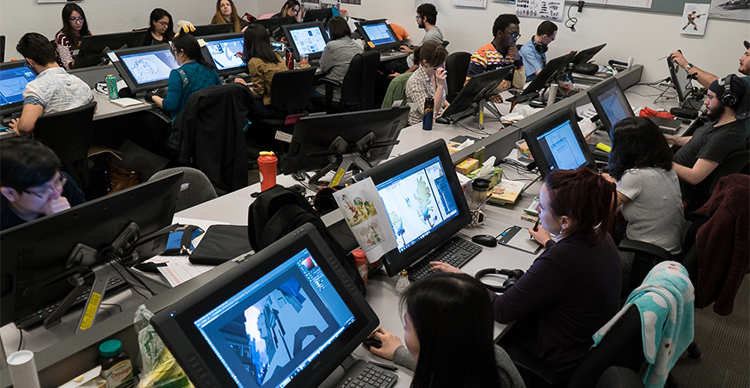
Film and Television Education Expands with New Hybrid Learning Programs
Pune, June 2026: The Film and Television Institute of India (FTII) has announced a new Professional Certificate Program in Integrated Post Production and 3D Design. The hybrid-format course focuses on post-production workflows, 3D design, animation, compositing, and visual effects. The program reflects a broader trend in creative education where institutions are combining online learning with practical studio-based training. Industry leaders note that demand for skilled professionals in video editing, motion graphics, visual effects, and digital filmmaking continues to increase due to the growth of OTT content, advertising, gaming, and social media production.