Latest News
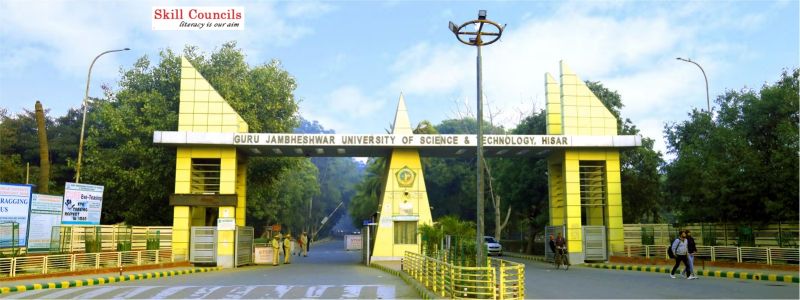
No more degree-only chase: GJUST’s roadmap puts jobs at the centre of education
Hisar, April 2026: In a major shift towards employment-focused education, Guru Jambheshwar University of Science and Technology (GJUST) has unveiled a five-year roadmap aligned with the “Viksit Bharat 2047” vision. The plan emphasizes moving away from traditional degree-centric learning to a skill-based, job-oriented education model. New BTech specializations are expected to be introduced in emerging fields such as artificial intelligence, robotics, cybersecurity, cloud computing, semiconductor engineering, and electric vehicles. The university also aims to strengthen industry collaboration, internships, and live projects, ensuring students gain practical exposure. Experts believe such reforms will significantly improve employability and reduce the gap between academic learning and industry requirements.

Technical Festivals Promote Innovation and Hands-On Learning
Nagpur, April 2026: The annual technical festival “Axis 26” at VNIT Nagpur showcased innovations including a 16-drone show and advanced defense technology exhibits. The event featured participation from organizations like ISRO, the Indian Army, and the Indian Air Force, offering students exposure to cutting-edge technologies. Technical festivals are increasingly becoming platforms for practical learning, innovation, and industry interaction, complementing formal technical education.

CBSE Results Highlight Impact of Competency-Based Education
New Delhi, April 2026: The CBSE Class 10 results for 2026 recorded a 93.70% pass rate, showing consistent academic performance across the country. Officials attributed the steady results to reforms in competency-based learning and curriculum alignment with NEP 2020. The data also revealed that girls outperformed boys and southern states led in overall performance. Experts believe that such reforms are gradually transforming India’s education system into a more skill-focused and application-oriented model, which directly benefits technical education pathways.
National Conference to Boost Aerospace Technical Education
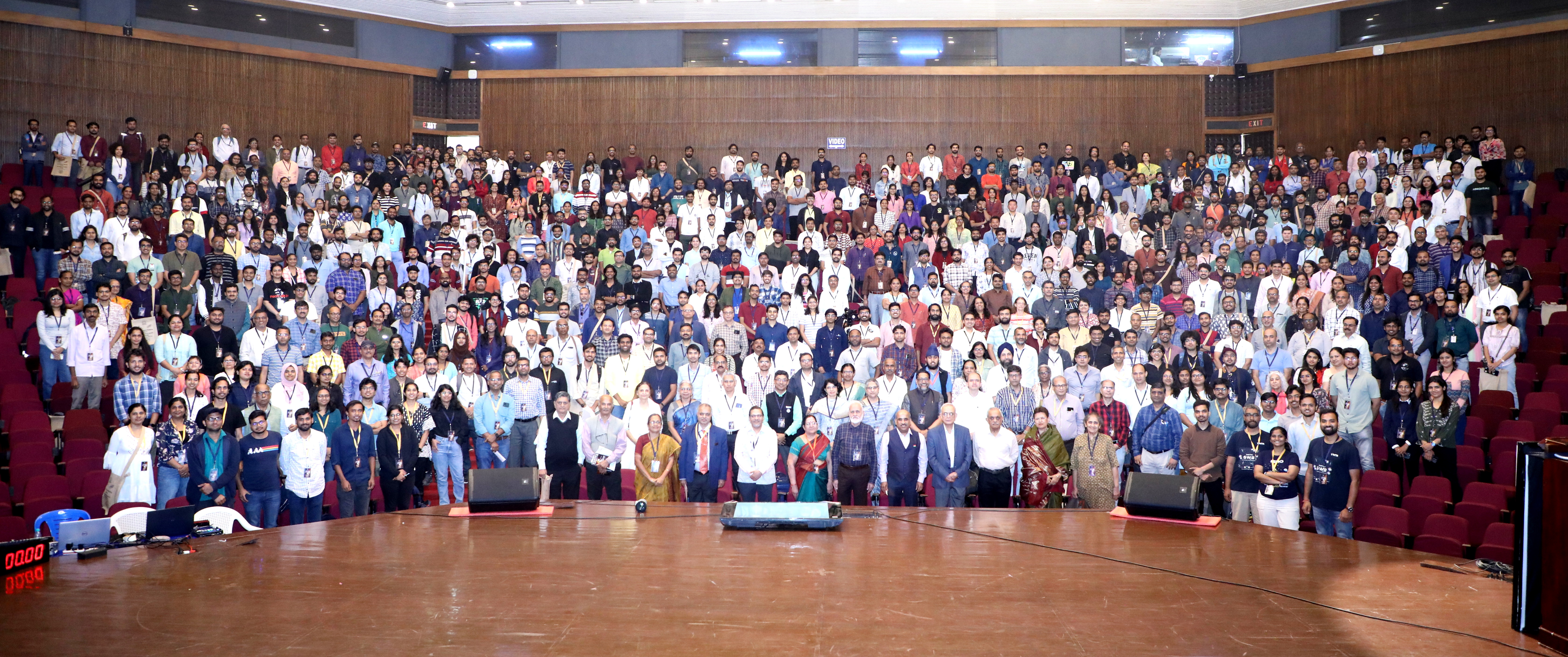
Hyderabad, April 2026: The Aeronautical Society of India (ASI) is set to host a national-level conference focusing on aerospace research, manufacturing, and certification. The event will bring together experts from organizations such as ISRO, DRDO, and global aerospace companies to discuss emerging technologies like AI-driven optimization, digital twins, and smart manufacturing. The conference aims to strengthen collaboration between academia and industry, providing students and researchers with exposure to real-world advancements in technical fields.
Bihar Extends ITI Admission Deadline for Technical Courses
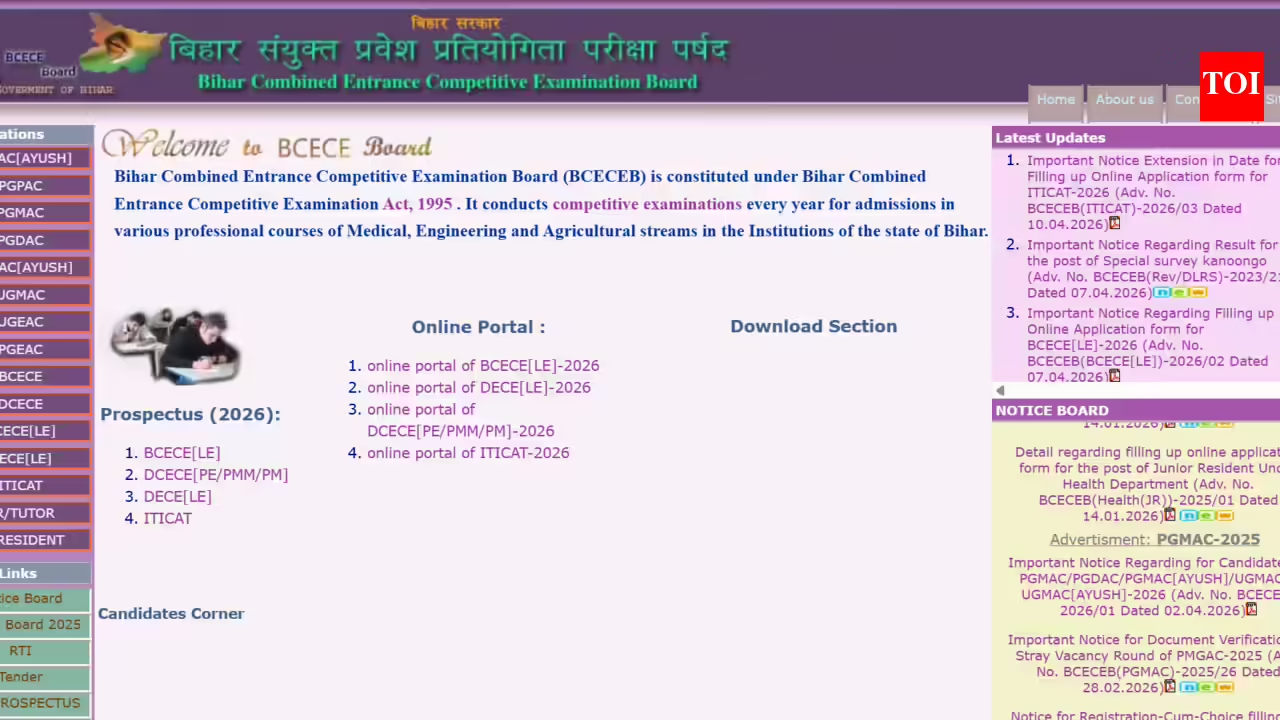
Patna, April 2026: The Bihar Combined Entrance Competitive Examination Board (BCECEB) has extended the registration deadline for the Industrial Training Institute Competitive Admission Test (ITICAT) 2026 to April 25. The extension provides additional time for students seeking admission into technical and vocational courses across ITIs in the state. Officials stated that the decision was taken to ensure wider participation and accessibility. ITI programs play a crucial role in India’s technical education ecosystem by offering skill-based training aligned with industry requirements, particularly for manufacturing and technical trades.

Flexible Exit Option Introduced for Engineering Students
Mumbai, April 2026: In a significant reform aligned with the National Education Policy (NEP 2020), Mumbai University has announced that engineering students who exit their course after three years will now be awarded a Bachelor of Science (Technical Engineering) degree. The move introduces flexibility in higher technical education by allowing multiple entry and exit options. Students completing two years will receive a diploma, while those completing three years will receive a degree instead of being classified as dropouts. Education experts believe this initiative will reduce academic pressure and provide recognition for partial completion of technical programs. However, some experts note that traditional four-year engineering degrees may still hold stronger value in the job market.
AI teacher robot rolls into Udupi govt school
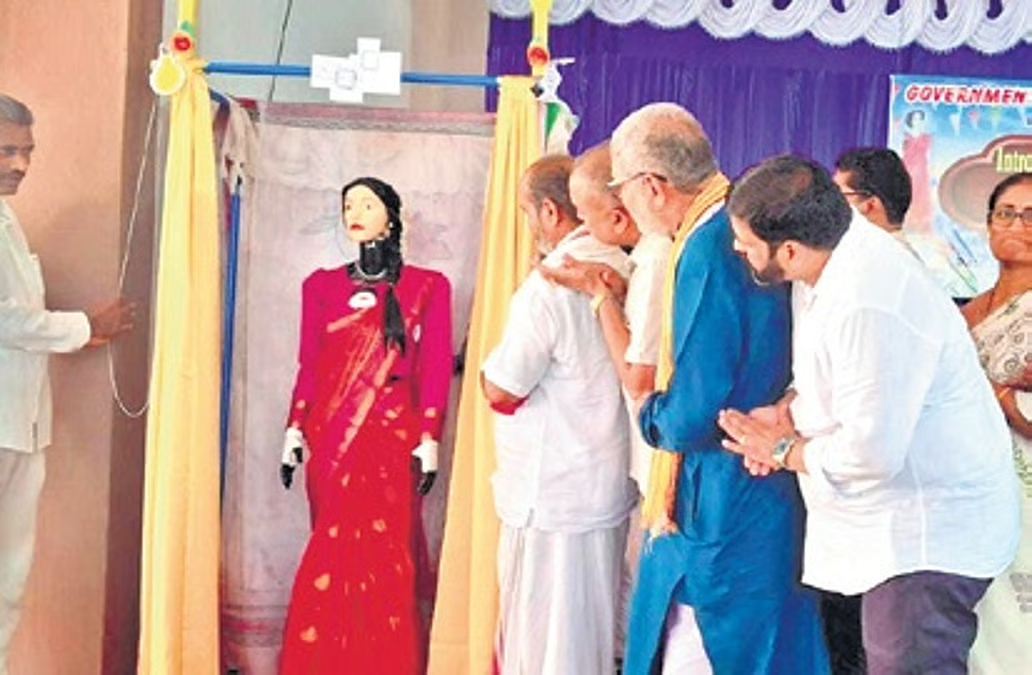
Udupi, April 2026: In a significant step towards integrating technology into classrooms, a government primary school in Karnataka’s Udupi district has introduced an Artificial Intelligence (AI)-powered teacher robot, marking a first-of-its-kind initiative in a state-run school. The innovation was launched at the Vandse Government Higher Primary School in Byndoor, a 111-year-old institution that has recently undergone a remarkable transformation. The AI robot, named ‘Iris’, is designed to assist teachers and enhance interactive learning among students. Standing over five feet tall, Iris is an AI-enabled voice assistant equipped with robotics and generative AI capabilities. It operates through an application-based system and includes interactive learning modules aimed at making classroom sessions more engaging and technology-driven. Developed by Makerlabs Edutech under the NITI Aayog’s Atal Tinkering Lab initiative, the robot is capable of communicating in more than 20 languages, making it accessible to students from diverse linguistic backgrounds. It can answer academic queries, assist in teaching concepts, and support teachers in delivering lessons effectively. School authorities clarified that the AI robot is not intended to replace human teachers but to function as a supportive educational tool. “The idea is to expose students in rural government schools to AI-based learning and make education more interactive,” officials said. The initiative has been funded through community support, with approximately ₹3.5 lakh invested in the AI system. The school has also seen broader infrastructure development, including smart classrooms, projectors, and a computer lab, as part of efforts to modernize education and compete with private institutions. Once on the verge of closure due to declining admissions, the school has witnessed a revival over the past decade. Enrollment has now increased to over 300 students, and the introduction of the AI teacher is expected to further boost interest among parents and students. Education experts believe that such initiatives represent a major shift in India’s technical and digital education landscape. By introducing AI at the primary level, schools are preparing students for a future driven by technology, innovation, and digital skills. The move reflects a broader national trend of integrating artificial intelligence into education, ensuring that even students in rural areas gain exposure to emerging technologies.
MHT-CET 2026 Introduces Dual-Attempt System for Engineering Aspirants
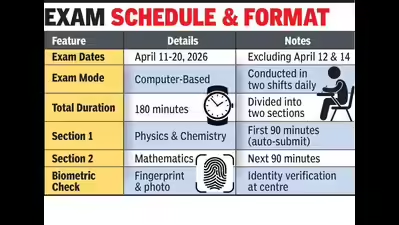
Nagpur, April 2026: The first phase of the Maharashtra Common Entrance Test (MHT-CET) for the Physics, Chemistry, and Mathematics (PCM) group commenced on April 11, marking a significant shift in the state’s technical entrance examination system. This year, for the first time, authorities have introduced a dual-attempt system, allowing candidates to appear for the exam twice. Conducted by the State Common Entrance Test Cell, the examination is being held across 198 centres in all 36 districts of Maharashtra in a computer-based format. The first round will continue until April 20, excluding April 12 and 14, with two shifts conducted daily. A record 4.79 lakh students have registered for the first attempt alone, reflecting a steady rise in participation compared to previous years. Officials reported that total registrations across both attempts have crossed 7.75 lakh candidates, indicating growing interest in technical education and engineering courses in the state. The newly introduced dual-attempt system allows students to appear for the exam twice—once in April and again in May. According to CET authorities, while appearing for at least one attempt is mandatory, students who opt for both attempts will have their higher percentile score considered for admission. The second phase of the examination is scheduled to be held between May 14 and May 16, offering candidates another opportunity to improve their performance. The move aligns the state-level entrance test with national-level examinations such as the Joint Entrance Examination (JEE Main), which also provides multiple attempts. The examination pattern remains structured, with a total duration of 180 minutes, divided into two sections. The first section includes Physics and Chemistry, conducted for 90 minutes, followed by Mathematics for another 90 minutes. The test is auto-submitted after each section. Additionally, biometric verification measures, including fingerprint and photograph authentication, have been implemented at examination centres to ensure transparency and prevent malpractice. Officials believe that the introduction of the two-attempt system will help reduce examination stress among students while providing a fair chance to improve scores. However, experts also note that the change may lead to increased competition due to higher participation levels. The MHT-CET serves as a key gateway for admissions to undergraduate courses in engineering, pharmacy, and agriculture across Maharashtra. With the adoption of flexible examination patterns and increased accessibility, the state aims to strengthen its technical education ecosystem and align it with national standards.
JNTUH Urged to Conduct Inspections Fairly Amid Faculty Irregularities
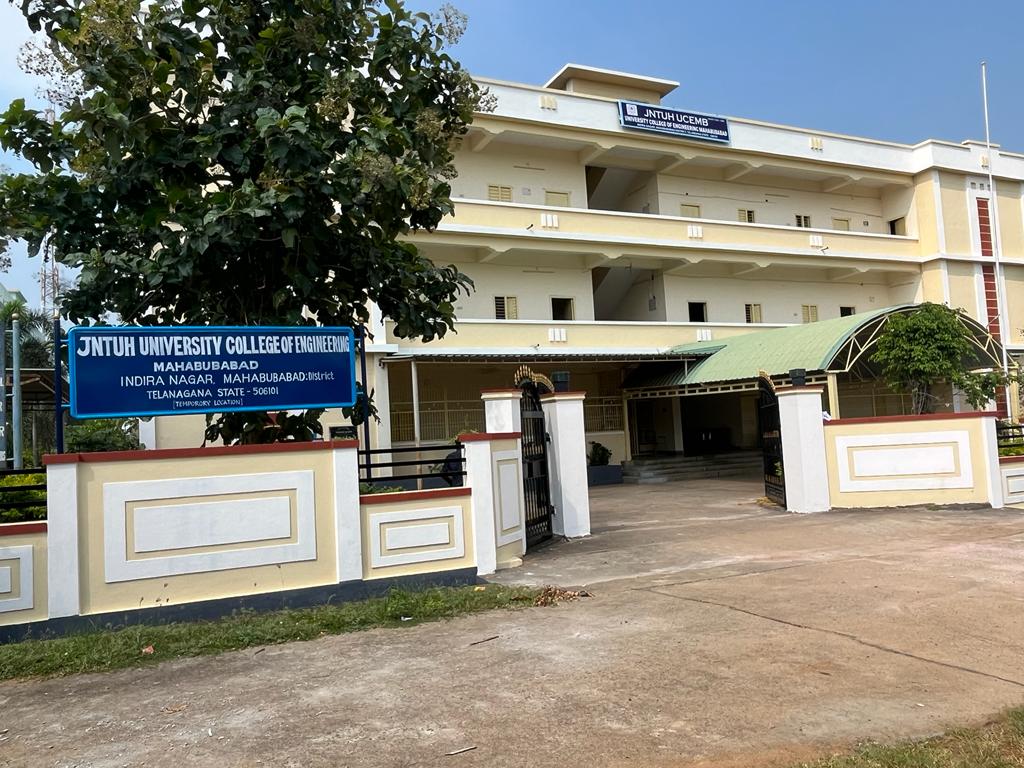
Hyderabad: The Telangana State Technical Colleges Employees Association (TSTCEA) has urged the Jawaharlal Nehru Technological University Hyderabad (JNTUH) to ensure that upcoming inspections of engineering colleges are conducted in a fair and transparent manner, raising serious concerns over irregularities in faculty appointments and salary practices. The association alleged that several private engineering colleges are operating with unqualified principals and inadequate faculty, questioning how such institutions are being granted approvals. It demanded that JNTUH publicly disclose the list of colleges violating norms to ensure accountability. TSTCEA also highlighted widespread non-payment and underpayment of salaries to teaching staff. While many institutions claim compliance with the 7th Pay Commission in official affidavits, the association stated that, in reality, several colleges are not even paying minimum wages as per regulatory guidelines. It called for stricter verification of salary records through documents such as Form 16 and Form 26AS to expose discrepancies. Further concerns were raised regarding the lack of employee benefits in technical institutions. According to the association, gratuity payments are not being implemented in many colleges, and nearly 90% of institutions do not provide mandatory group accident insurance for faculty members. The association also pointed out the over-reliance on temporary faculty, which has led to increased workload, job insecurity, and a decline in academic quality. It stressed the need for strict adherence to faculty norms and proper staffing ratios to maintain educational standards. TSTCEA has demanded the enforcement of the Telangana Education Act, 1982, particularly provisions related to job security and faculty structure. The association emphasized that transparent inspections are critical to ensuring compliance and improving the overall quality of technical education in the state. The appeal comes ahead of the fact-finding committee (FFC) inspections scheduled to begin for granting affiliations for the academic year 2026–27. JNTUH has reportedly received over 150 applications from engineering colleges, making the inspection process crucial for maintaining standards in technical education. Conclusion: The demand for fair inspections highlights growing concerns over governance and quality in engineering education. Experts believe that stricter monitoring, transparency, and accountability are essential to ensure that technical institutions meet regulatory standards and provide quality education to students.

Shift Towards Industry-Oriented Technical Education
Mumbai, April 2026: In a rapidly evolving global landscape shaped by artificial intelligence, automation, and globalization, ATLAS SkillTech University is pioneering a transformative model of higher education aimed at creating future-ready graduates equipped for unpredictable career paths. At a time when traditional career structures are becoming obsolete, education institutions are being compelled to rethink their approach. ATLAS SkillTech University has emerged as a frontrunner by introducing an interdisciplinary and industry-integrated education model, focusing on innovation, adaptability, and real-world problem-solving. According to education experts, the future workforce will require skills that go beyond textbooks. Recognizing this shift, the university has placed strong emphasis on project-based learning, experiential education, and global exposure, ensuring that students are prepared for jobs that may not yet exist. The institution’s curriculum integrates technology, business, and design, enabling students to develop a holistic understanding of modern industries. By collaborating with industry leaders and global academic partners, ATLAS aims to bridge the long-standing gap between academic learning and practical application. A key highlight of this new blueprint is its focus on critical thinking, creativity, collaboration, and adaptability—skills considered essential in the 21st-century job market. Students are encouraged to work on real-world challenges, participate in innovation-driven projects, and engage in entrepreneurial activities that enhance their employability. The university’s strong industry linkage is reflected in its placement outcomes. In recent placement cycles, more than 330 companies participated, offering over 550 job and internship opportunities across diverse sectors such as technology, finance, marketing, and consulting. Education leaders believe that such models represent the future of technical and higher education in India. With industries undergoing rapid digital transformation, there is an increasing demand for graduates who are not only technically skilled but also agile, innovative, and globally aware. This shift aligns with broader national trends under the National Education Policy (NEP 2020), which emphasizes skill-based learning, multidisciplinary education, and industry collaboration. Institutions like ATLAS are setting benchmarks by implementing these reforms effectively. As India moves towards becoming a global knowledge economy, the role of universities in shaping employable and future-ready talent has become more critical than ever. The approach adopted by ATLAS SkillTech University highlights a clear transition—from traditional degree-focused education to a skills-driven, innovation-led learning ecosystem. Conclusion: The blueprint emerging from ATLAS SkillTech University signals a paradigm shift in Indian education. By aligning academic learning with industry needs and future technologies, the institution is not only preparing students for employment but also empowering them to become leaders, innovators, and change-makers in the global workforce.