Latest News

Remote IT Jobs Drive Demand for Online Technical Education
Kochi, May 2026: The continued growth of remote work opportunities in the global technology industry is driving increased demand for online technical education in India. Students are increasingly enrolling in online programs related to Software Development, Cloud Computing, UI/UX Design, Data Analytics, and DevOps Engineering to access international freelance and remote job opportunities. Experts note that many companies now hire developers and IT professionals based entirely on technical skills and online portfolios. As a result, practical learning, internships, GitHub projects, and certification programs are becoming more valuable than traditional academic scores alone. Online learning platforms are also expanding career-focused features such as live coding sessions, virtual internships, interview preparation, and project mentoring. Industry analysts believe remote work culture will continue reshaping technical education, encouraging students to focus more on globally relevant digital skills and continuous upskilling.

Cybersecurity and Software Security Courses Witness Record Demand
New Delhi, May 2026: The increasing number of cyberattacks and digital fraud cases has created strong demand for professionals skilled in Cybersecurity, Ethical Hacking, Software Security, and Network Protection. Technical institutes and online learning platforms are reporting record enrolments in cybersecurity certification programs during 2026. Courses related to penetration testing, cloud security, application security, and digital forensics are especially popular among students and working professionals. Industry experts say software security is now becoming a core part of software development itself. Companies are increasingly adopting secure coding practices and DevSecOps methodologies to prevent cyber vulnerabilities. Educational institutions are responding by integrating security-focused modules into software development and IT programs. Students are learning about encryption, authentication systems, vulnerability testing, and secure application development. Experts believe cybersecurity will remain one of the highest-growth sectors in technical education and IT employment over the next decade.
AI-Powered Coding Tools Are Changing Software Development Education
Pune, May 2026: Artificial Intelligence-powered coding assistants are becoming a major part of software development training programs across India. Educational institutions and coding platforms are integrating AI tools into programming education to improve productivity and learning efficiency. Students learning software development are now using AI-powered systems for code suggestions, debugging, testing, and project development. Experts believe these tools are helping beginners learn programming concepts faster while improving coding accuracy. However, educators emphasize that foundational programming knowledge remains essential. While AI tools can assist developers, companies still expect professionals to understand algorithms, logic building, software architecture, and problem-solving skills. Technical education providers are increasingly teaching students how to effectively use AI-assisted development tools alongside traditional programming methods. Experts believe AI-powered development will become standard in the future software industry, making adaptability and continuous learning critical skills for students.

Online Coding Bootcamps Become Popular Among Indian Students
Hyderabad, May 2026: Online coding bootcamps are witnessing rapid growth in India as students seek faster and more employment-focused alternatives to traditional education. Platforms offering courses in Full Stack Development, Data Structures, Python Programming, UI/UX Design, and Mobile App Development have reported a sharp increase in enrolments during the first half of 2026. Experts say students are increasingly choosing short-term technical programs because of their practical learning approach, project-based training, and placement assistance. Many bootcamps now offer mentorship from industry professionals and real-world portfolio development. The rise of remote jobs and freelancing opportunities in software development has further increased demand for coding education. Companies are now hiring candidates based on skills, GitHub portfolios, and practical experience rather than just academic qualifications. This shift is transforming the landscape of technical education in India.

Engineering Colleges Introduce New Software Development Specializations
Bengaluru, May 2026: Technical universities and engineering colleges across India are introducing specialized programs in Full Stack Development, Artificial Intelligence Engineering, DevOps, Cloud Computing, and Cybersecurity to meet rising industry demand. Institutions are redesigning traditional computer science programs by including practical training in Python, JavaScript, React, Node.js, AWS, Docker, Kubernetes, and AI tools. Experts say employers now prioritize real-world software development skills over theoretical programming knowledge. Industry partnerships are also increasing. Several colleges have signed collaborations with IT companies to offer internship-based learning, coding bootcamps, and live project exposure for students. Education experts believe this transformation is helping bridge the gap between academic learning and the rapidly evolving software industry. Students are now being trained to work on real production-level applications before graduation.

UP Board Introduces Vocational Education for Classes 9 and 11
Lucknow, May 2026: In a significant reform aligned with the National Education Policy, the Uttar Pradesh Board has made vocational education mandatory for students in Classes 9 and 11 starting from 2026. Students will now be able to study vocational and technical subjects such as Information Technology, Electronics, Healthcare, Agriculture, and Retail alongside traditional academics. The move is aimed at improving employability and skill development from an early stage. Education experts have welcomed the decision, stating that introducing vocational training at the school level will help bridge the gap between education and industry requirements. The initiative is also expected to encourage students to pursue technical careers, entrepreneurship, and practical skill development rather than relying solely on theoretical education.
India’s First Bhagavad Gita Integrated Degree Introduced
Hisar, May 2026: In a unique move, Guru Jambheshwar University of Science and Technology has launched India’s first integrated degree program based on the Bhagavad Gita. The university stated that the program aims to combine ethical values, Indian knowledge systems, and modern education methodologies. Admissions for the 2026–27 academic year have already begun online. Apart from this, the university is also expanding technical and professional education programs in engineering, pharmacy, management, and vocational studies. Several programs will additionally be available in Hindi, increasing accessibility for regional students. Experts note that this reflects a wider trend where universities are experimenting with interdisciplinary and value-based education models alongside technical learning.

Goa University Forced to Drop 9 New Integrated Courses
Goa, May 2026: Goa University has announced that it will discontinue plans to launch nine new five-year integrated programs due to delays in obtaining regulatory approvals. The integrated courses were designed to provide students with seamless undergraduate-to-postgraduate education in emerging and multidisciplinary subjects. Many students had shown interest in these new-age programs because of their employment-oriented curriculum and industry relevance. Education experts believe this incident highlights the growing demand for modern integrated technical programs in India. Students are increasingly seeking courses that combine practical skills, industry exposure, and advanced specialization instead of traditional degree structures. Despite the setback, universities across India continue to focus on launching innovative courses related to Artificial Intelligence, Data Science, Cybersecurity, and Digital Technologies.
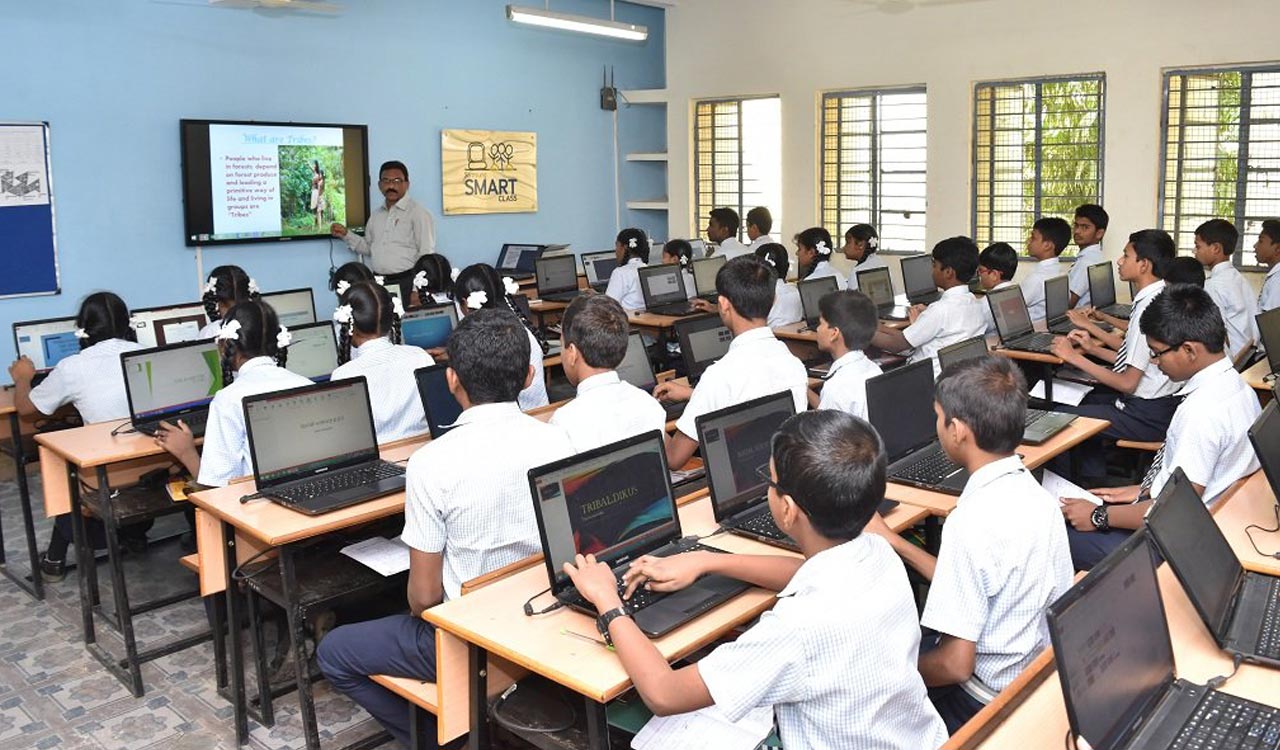
Gujarat Board Launches New Digital Education System for Schools
Ahmedabad, May 2026: The Gujarat Secondary and Higher Secondary Education Board has introduced a new digital system that allows schools to access and manage academic records online. The initiative is part of a larger digital transformation effort aimed at modernizing India’s education ecosystem. Schools can now download records, manage student information, and streamline administrative processes through an integrated online platform. Experts say such initiatives are critical in improving efficiency and accessibility in education management. The increasing use of cloud-based systems, online portals, and AI-powered academic tools is rapidly changing the operational side of education institutions across the country. This move also reflects the broader growth of digital learning infrastructure in India, especially after the rapid adoption of online education models over the past few years.

Engineering Students to Learn Indian Knowledge Systems Through New Online Course
Pune, May 2026: In a major development related to technical education in India, over 1,600 first-year engineering students at COEP Technological University will now study a newly introduced online course on Indian Knowledge Systems (IKS). The initiative has been launched in collaboration with the Bhandarkar Oriental Research Institute. The course aims to blend traditional Indian scientific knowledge with modern technical education. Topics include Indian philosophy, architecture, ancient sciences, and multidisciplinary learning approaches aligned with the National Education Policy (NEP) 2020. Education experts believe this move reflects a growing trend where engineering education is becoming more holistic rather than purely technical. The integration of cultural and intellectual heritage into modern learning is expected to improve analytical thinking, innovation, and ethical decision-making among students. The course will be delivered through digital learning platforms, further strengthening the role of online education in higher studies. Institutions across India are now exploring similar interdisciplinary models to modernize technical education.