Latest Blogs
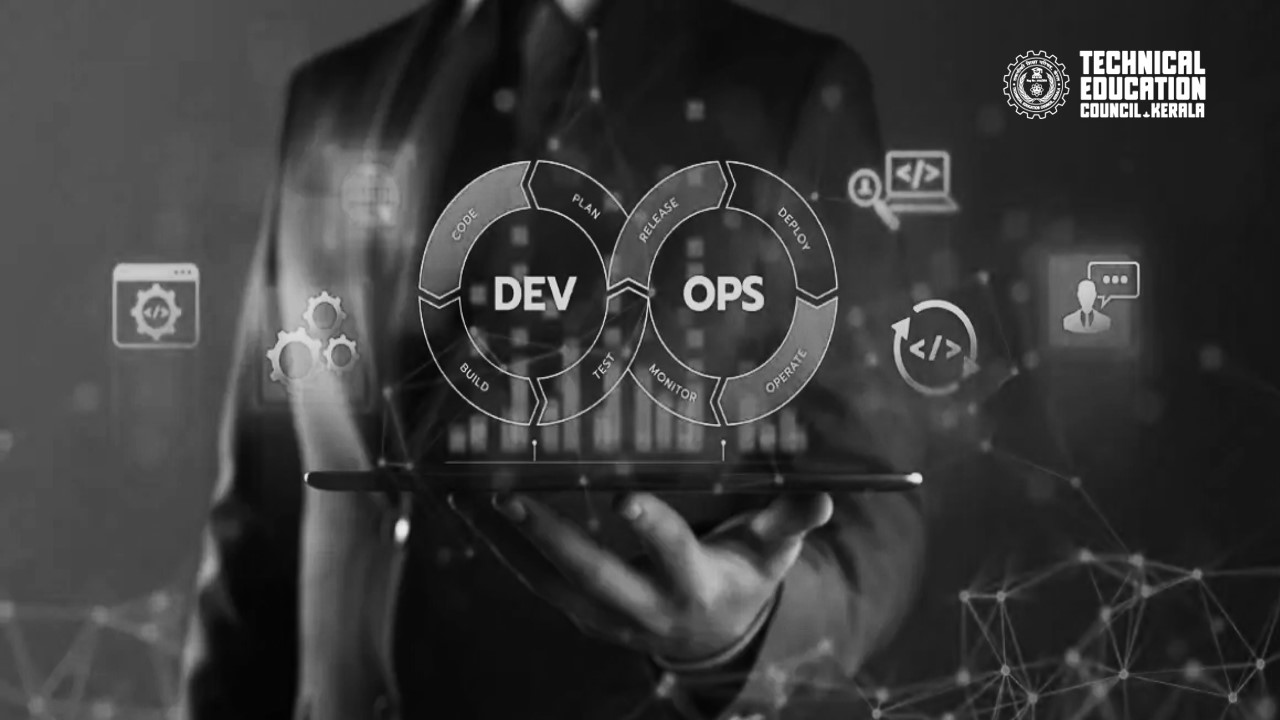
Why DevOps Skills Are Becoming Essential for Modern Software Developers
Software development is no longer limited to writing code. Modern organizations require developers who understand how a… Software development is no longer limited to writing code. Modern organizations require developers who understand how applications are built, tested, deployed, monitored, and maintained. This growing demand has made DevOps Engineering one of the most important career paths in Information Technology. DevOps combines software development and IT operations to improve collaboration, automate workflows, and accelerate software delivery. Technologies such as Docker, Kubernetes, Jenkins, GitHub Actions, Terraform, AWS, Azure, and CI/CD Pipelines are now standard components of modern software projects. Companies adopting DevOps practices experience faster deployment cycles, improved reliability, and better software quality. As a result, organizations actively recruit professionals with DevOps expertise. Technical education institutions are responding by introducing DevOps-focused courses and internship programs. Students gain practical experience in automation, cloud infrastructure, containerization, monitoring, and deployment strategies. The rise of cloud computing has further increased demand for DevOps professionals. Businesses need experts who can manage scalable cloud environments while ensuring application performance and security. Industry experts believe DevOps will continue growing because organizations increasingly prioritize agility, automation, and digital transformation. Professionals who combine software development skills with DevOps knowledge enjoy significant career advantages. For students entering the technology industry, learning DevOps is becoming as important as learning programming languages. It provides a broader understanding of software delivery and significantly improves employability. The future of software engineering is built on automation, collaboration, and continuous innovation—principles that define modern DevOps practices.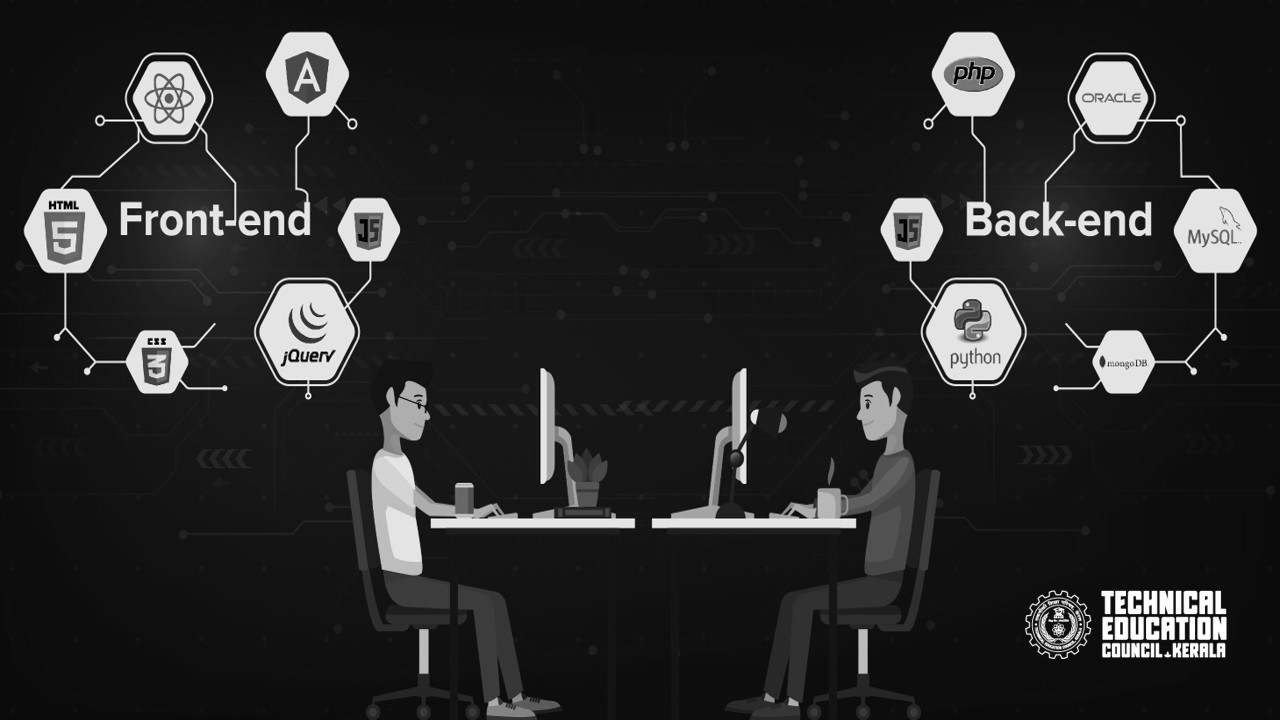
Full Stack Development Is Becoming the Most Employable Skill in the IT Industry
The Information Technology industry is evolving faster than ever, and one skill continues to dominate hiring trends acr… The Information Technology industry is evolving faster than ever, and one skill continues to dominate hiring trends across startups, multinational companies, and technology firms—Full Stack Development. As organizations seek professionals who can handle both front-end and back-end development, full stack developers are becoming some of the most sought-after candidates in the job market. A full stack developer can work across the entire software development lifecycle, including user interface design, database management, server-side programming, API integration, and deployment. Technologies such as HTML, CSS, JavaScript, React, Node.js, Python, Django, Java, Spring Boot, MySQL, MongoDB, and Cloud Computing have become essential components of modern development. One reason for the growing demand is business efficiency. Companies prefer professionals who can understand and contribute to multiple aspects of software development rather than specializing in only one area. This flexibility makes full stack developers highly valuable in both startups and enterprise organizations. Technical education institutions are increasingly introducing practical Full Stack Development programs with project-based learning. Students are building real-world applications, participating in internships, and developing professional portfolios before graduation. Industry reports suggest that software development jobs will continue growing rapidly as businesses invest in digital transformation, mobile applications, cloud technologies, and online services. Full stack developers are expected to play a critical role in this expansion. For students seeking high-demand careers in Information Technology, full stack development provides strong employability, excellent salary potential, and opportunities across multiple industries. The future of software development belongs to professionals who can understand the complete technology ecosystem and contribute effectively at every stage of application development.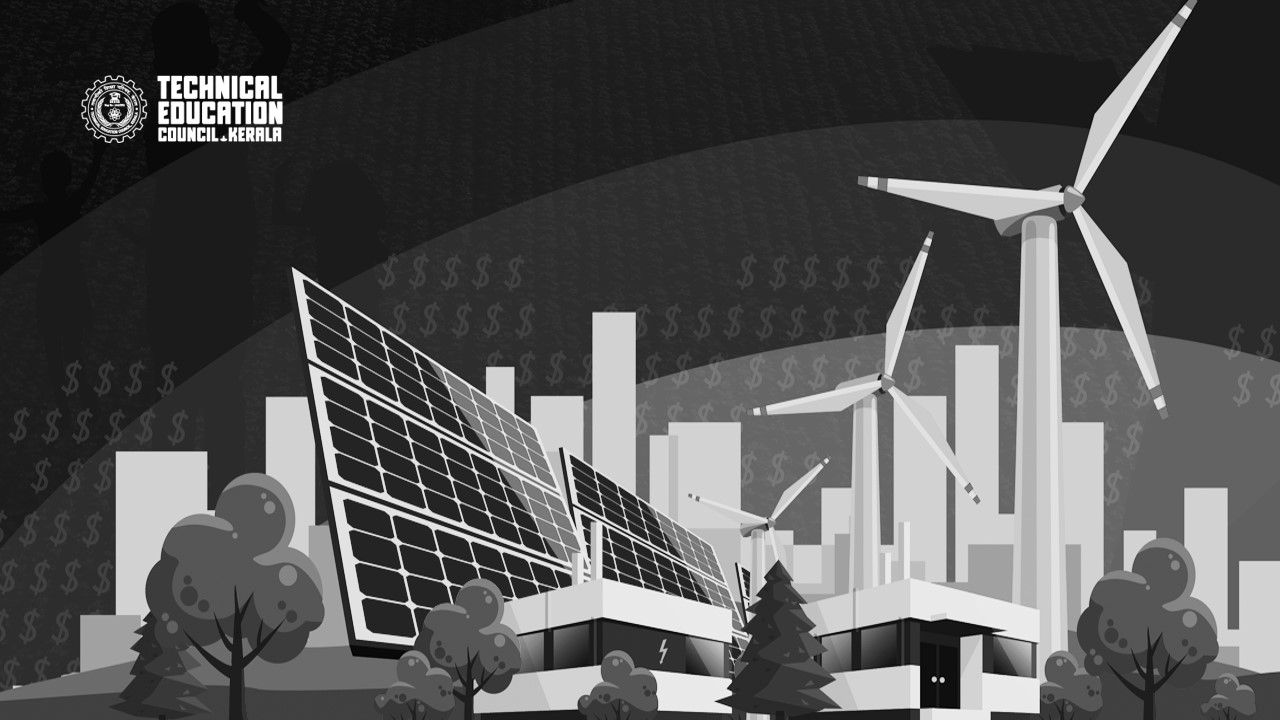
Renewable Energy Technicians Are Becoming the New Workforce of the Green Economy
The global shift toward clean energy is creating a new generation of technical careers focused on sustainability and en… The global shift toward clean energy is creating a new generation of technical careers focused on sustainability and environmental responsibility. In India, rapid investment in solar energy, wind power, and green infrastructure is generating significant demand for skilled technical professionals. Renewable energy companies are actively recruiting individuals trained in Solar Installation, Wind Energy Systems, Electrical Maintenance, Energy Storage Technology, and Sustainable Infrastructure Management. Technical education institutions are introducing practical programs focused on renewable energy technologies. Students learn installation procedures, system maintenance, troubleshooting, energy efficiency, and safety practices. Industry experts believe renewable energy will be one of the largest employment sectors over the next decade. India's ambitious clean energy targets require a skilled workforce capable of designing, installing, operating, and maintaining renewable energy systems. One of the biggest advantages of renewable energy careers is their long-term relevance. As governments and industries prioritize sustainability, demand for qualified technicians is expected to increase steadily. The renewable energy sector also offers opportunities for entrepreneurship. Skilled technicians can establish businesses specializing in solar installations, energy consulting, and maintenance services. For students seeking meaningful careers that combine technical expertise with environmental impact, renewable energy represents a rapidly growing opportunity. The future economy will depend heavily on sustainable technologies, and renewable energy technicians will play a central role in powering that future.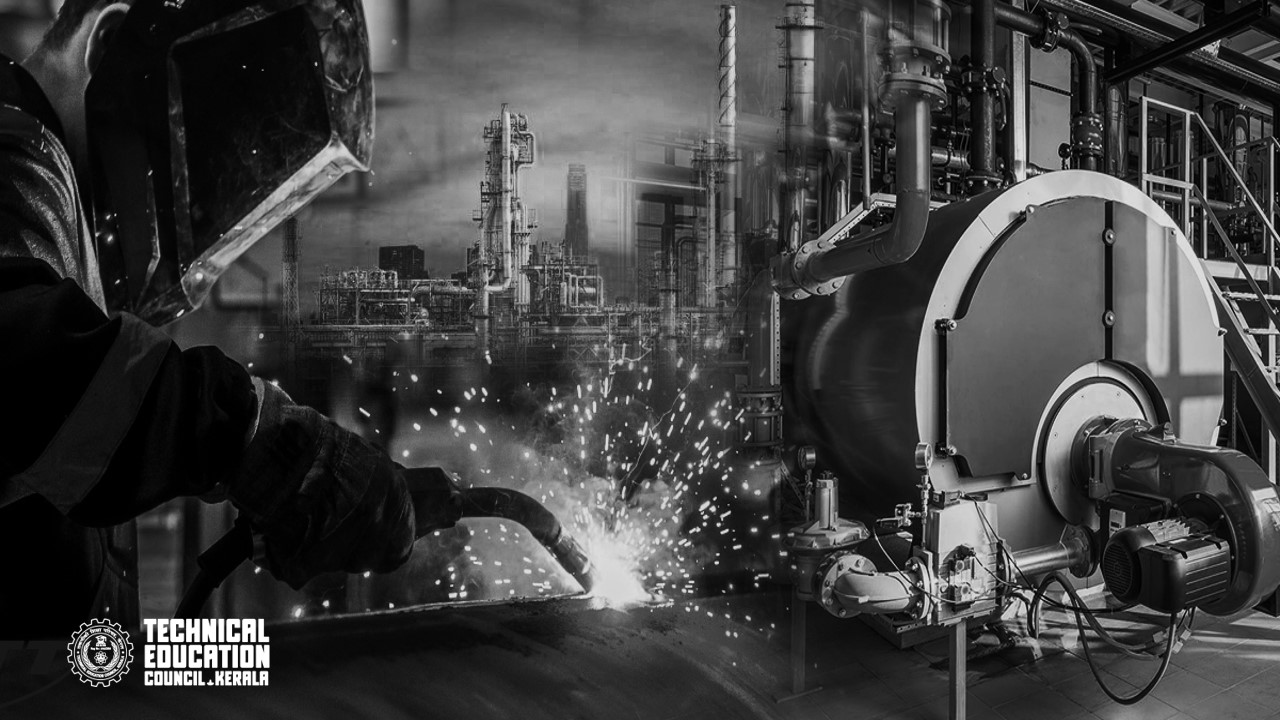
Industrial Welding Is Evolving Into a High-Tech Profession
Welding has long been considered a traditional technical trade. However, modern manufacturing has transformed welding i… Welding has long been considered a traditional technical trade. However, modern manufacturing has transformed welding into a highly specialized profession involving automation, robotics, and advanced materials technology. Industries such as shipbuilding, aerospace, oil and gas, infrastructure, renewable energy, and heavy engineering continue to rely heavily on skilled welding professionals. The difference today is that modern welders often work alongside robotic systems and computerized manufacturing equipment. Technical education institutions are upgrading welding programs to include Robotic Welding, Advanced Fabrication, Quality Inspection, Industrial Safety, and Automated Manufacturing Systems. Experts report growing demand for certified welders capable of working with advanced materials and international quality standards. Infrastructure projects, renewable energy installations, and industrial expansion are contributing significantly to employment growth. Modern welding careers offer opportunities beyond manual operations. Professionals can progress into inspection, quality assurance, production supervision, and manufacturing management roles. Another important trend is the increasing use of welding automation. While robots handle repetitive tasks, skilled technicians remain essential for programming, monitoring, maintenance, and quality control. For students interested in hands-on technical careers, industrial welding offers excellent job prospects both in India and internationally. As manufacturing technologies continue evolving, welding professionals with advanced technical skills will remain valuable contributors to industrial growth and infrastructure development.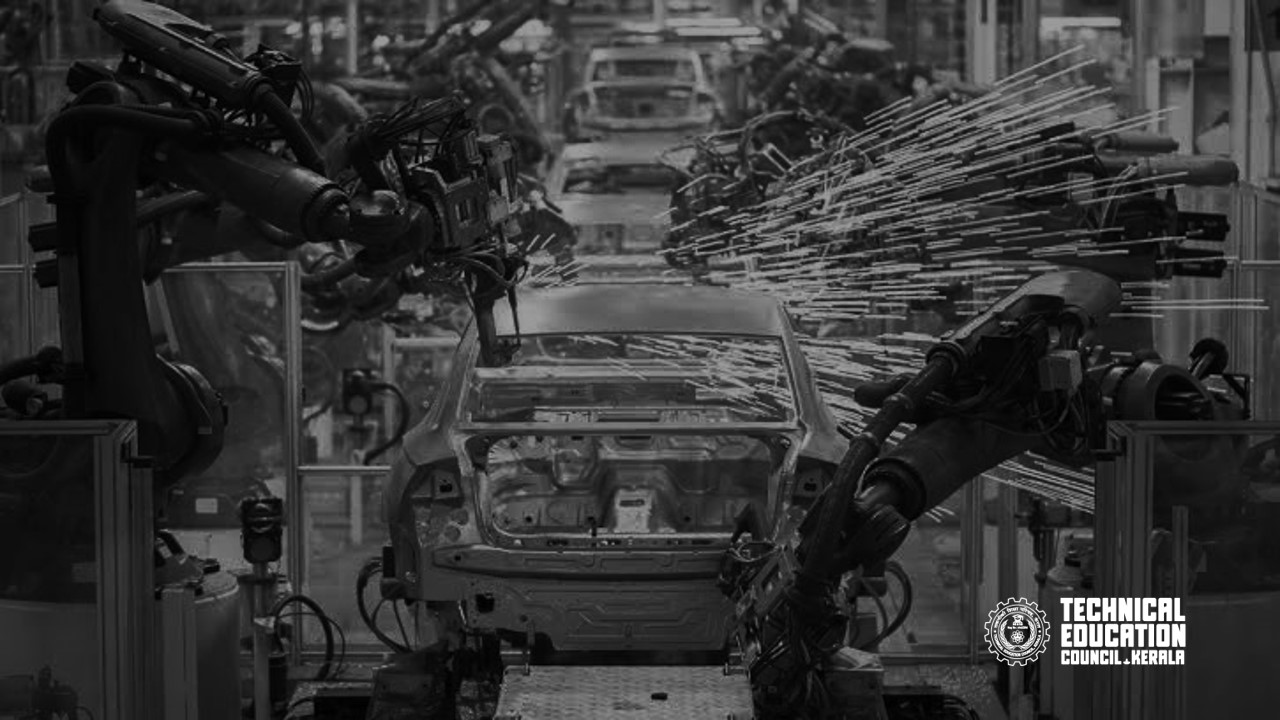
Electric Vehicle Manufacturing Is Opening New Career Paths for Technical Students
The electric vehicle revolution is transforming India's manufacturing and technical education landscape. With increasin… The electric vehicle revolution is transforming India's manufacturing and technical education landscape. With increasing investment in EV production, battery technology, charging infrastructure, and green transportation, demand for skilled technical professionals is rising rapidly. Companies involved in electric mobility are actively hiring technicians, engineers, and specialists trained in EV Technology, Battery Management Systems, Electrical Maintenance, Automotive Manufacturing, and Renewable Energy Systems. Experts estimate that the electric vehicle industry will generate hundreds of thousands of new jobs over the next decade. These opportunities extend beyond vehicle assembly to include battery production, quality testing, charging infrastructure installation, and maintenance services. Technical education institutions are launching specialized programs focused on EV technology and sustainable mobility. Students gain practical exposure to electric motors, battery systems, vehicle diagnostics, and energy management technologies. The transition to electric transportation is creating demand for both new skills and traditional technical trades. Electricians, automotive technicians, machine operators, and manufacturing professionals are all finding new opportunities within the EV ecosystem. Government initiatives promoting clean energy and sustainable transportation are further accelerating industry growth. Experts believe the EV sector will become one of India's most important employment generators. For students seeking future-focused technical careers, electric vehicle manufacturing offers strong growth potential, industry demand, and opportunities to contribute to environmental sustainability. The future of transportation is electric, and technical education is playing a critical role in preparing the workforce needed to support this transformation.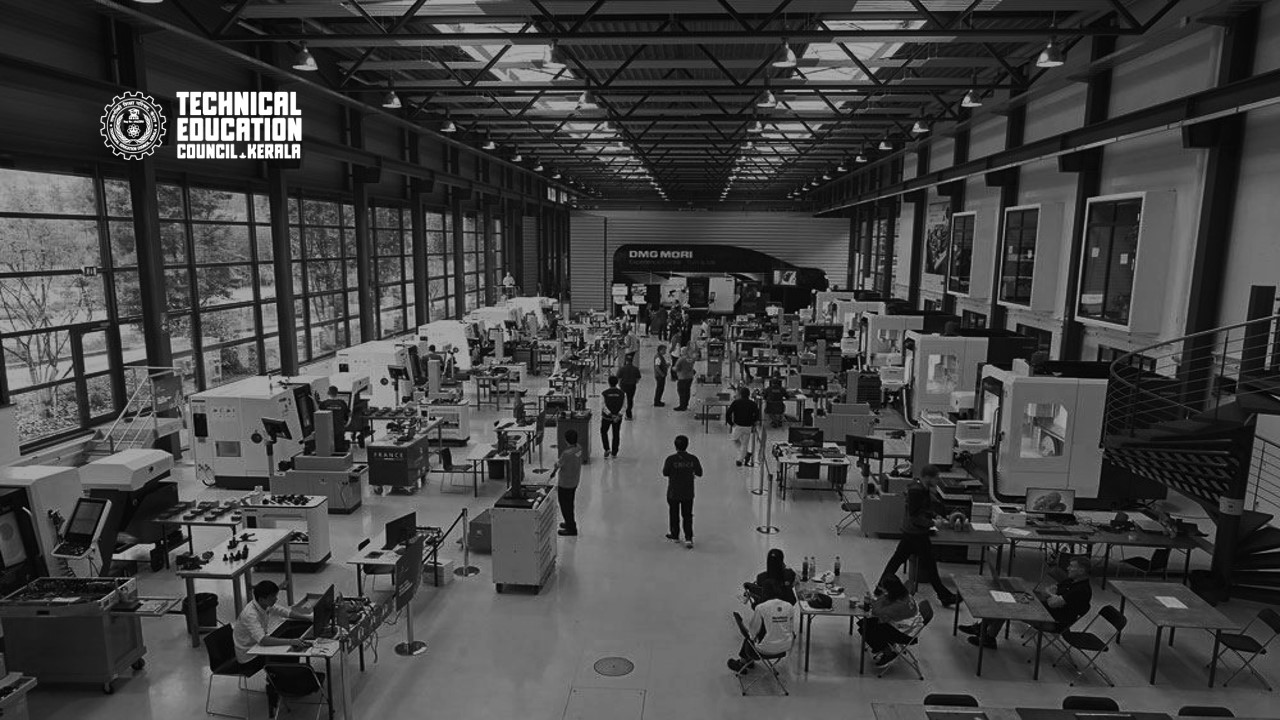
CNC Machining Skills Are Becoming One of the Most Valuable Technical Trades in 2026
As industries continue modernizing their production processes, CNC Machining and Precision Manufacturing are becoming e… As industries continue modernizing their production processes, CNC Machining and Precision Manufacturing are becoming essential skills across sectors such as aerospace, automotive, defense, medical equipment, and industrial engineering. Computer Numerical Control (CNC) machines are now responsible for producing highly accurate components used in everything from aircraft engines to surgical instruments. Because of this, skilled CNC operators and programmers are among the most sought-after professionals in manufacturing. One reason for this growing demand is the global emphasis on precision engineering. Companies require components manufactured with exact measurements and minimal error margins, making CNC technology indispensable. Technical education providers are increasingly offering specialized training in CNC Programming, CAD/CAM Software, Precision Engineering, Machine Operations, and Quality Control. Students learn how to design, program, and manufacture complex components using advanced machinery. Industry experts note that CNC professionals often enjoy strong career prospects because these skills are transferable across multiple industries. Whether in automotive manufacturing, industrial equipment production, or medical device manufacturing, precision machining remains critical. Another trend driving demand is the expansion of India's defense and aerospace manufacturing sectors. Government initiatives promoting domestic manufacturing are creating new opportunities for technically trained professionals. For students interested in technical trades, CNC machining offers a combination of practical work, advanced technology, and long-term employment stability. As smart manufacturing continues to expand, CNC specialists will remain at the center of modern industrial production systems.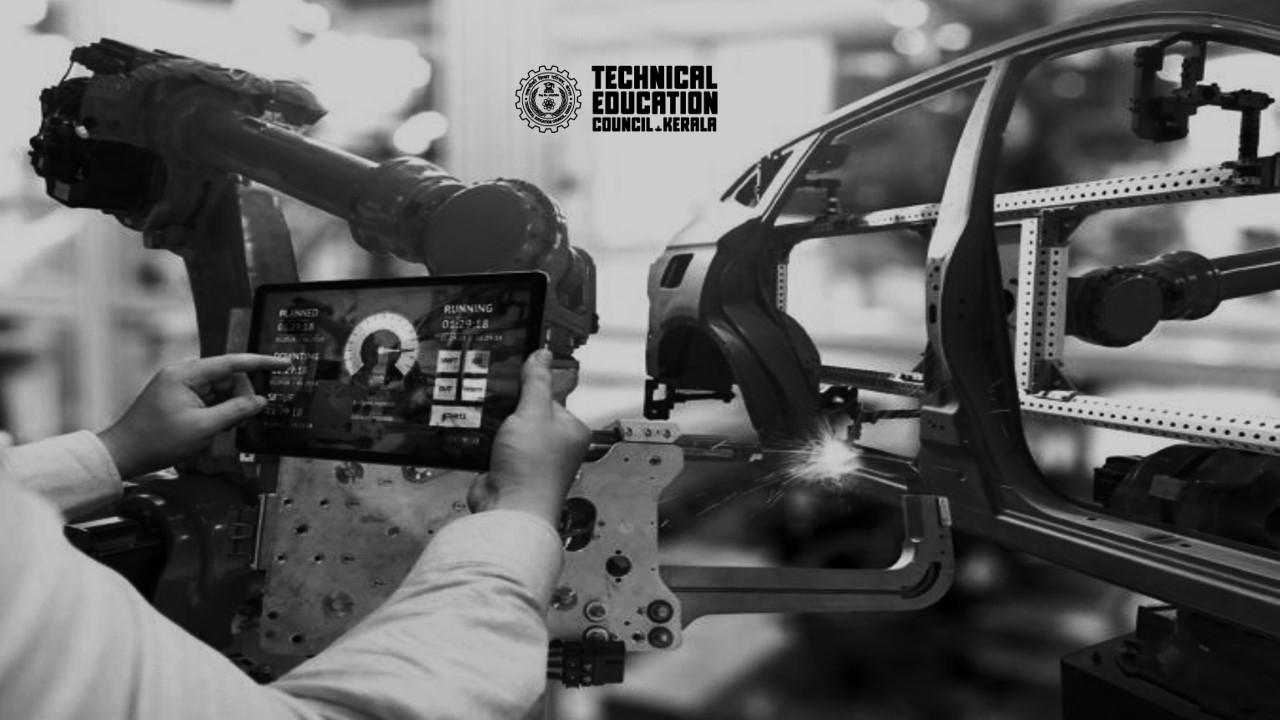
Smart Manufacturing Is Creating a New Generation of Technical Jobs in India
India's manufacturing sector is undergoing one of the biggest transformations in its history. Factories that once relie… India's manufacturing sector is undergoing one of the biggest transformations in its history. Factories that once relied heavily on manual processes are now adopting Smart Manufacturing, Industry 4.0, Industrial Automation, Robotics, IoT, and Artificial Intelligence. This shift is creating thousands of new employment opportunities for technically skilled professionals. Traditionally, manufacturing careers were associated with repetitive shop-floor work. Today, modern factories use sensors, connected machines, predictive maintenance systems, and automated production lines. As a result, employers are increasingly searching for candidates skilled in Industrial Automation, PLC Programming, CNC Operations, Robotics Maintenance, Industrial IoT, and Manufacturing Technology. According to industry estimates, India's manufacturing sector aims to contribute significantly to the national economy over the coming decade. To achieve this goal, companies need a workforce trained in both traditional technical trades and emerging industrial technologies. Technical education institutions are responding by introducing practical programs in Automation Engineering, Mechatronics, CNC Machining, Industrial Robotics, and Smart Factory Operations. Students are gaining hands-on experience through simulation labs, industry visits, and apprenticeship programs. Experts believe the biggest opportunity lies in the combination of mechanical knowledge and digital skills. Modern technicians are expected to understand machine operations while also working with software-based monitoring systems. The rise of electric vehicles, renewable energy manufacturing, electronics production, and semiconductor facilities is further driving demand for skilled technical professionals. For students seeking stable and future-ready careers, manufacturing is no longer an old-fashioned industry. It is becoming one of the most technologically advanced employment sectors in the country. The future factory will not replace workers—it will require a new generation of highly skilled technicians who can operate, manage, and optimize intelligent manufacturing systems.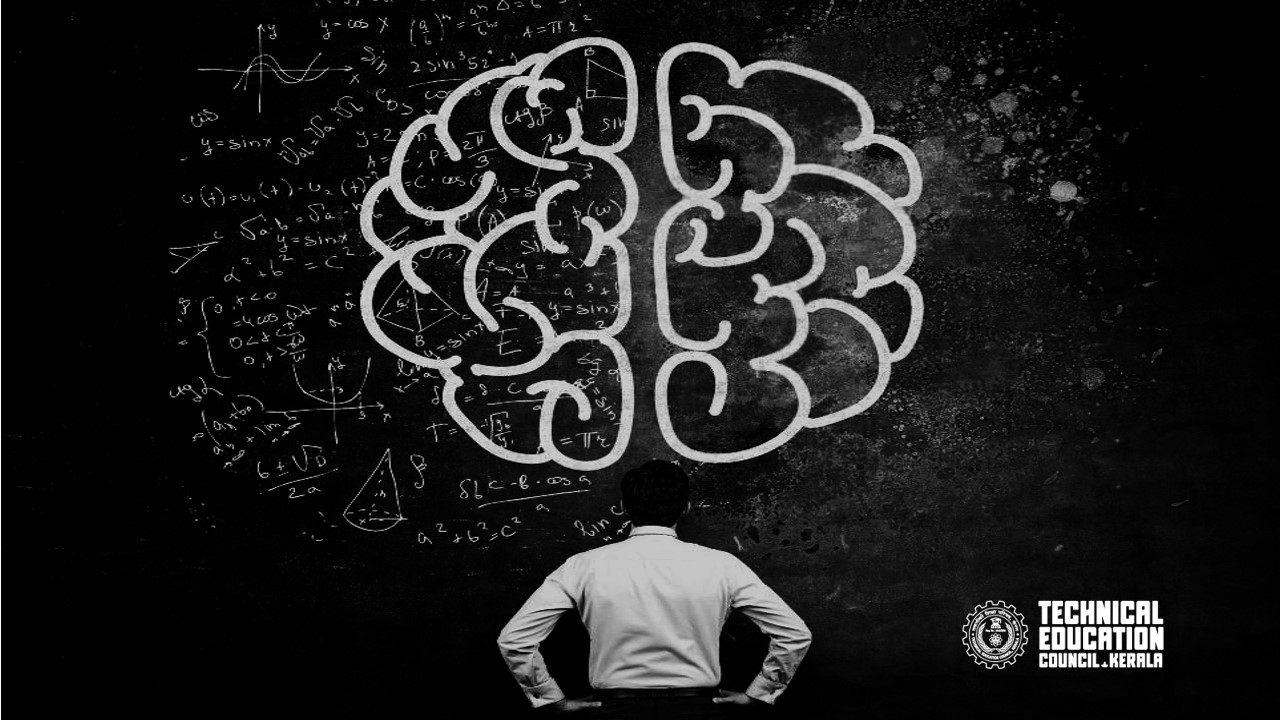
Emotional Intelligence Is Emerging as the Most Important Workplace Skill of the Future
While technology continues to transform industries, one uniquely human capability is becoming increasingly valuable—Emo… While technology continues to transform industries, one uniquely human capability is becoming increasingly valuable—Emotional Intelligence (EI). Emotional Intelligence refers to the ability to understand, manage, and respond effectively to emotions, both in oneself and others. Experts now consider EI one of the most important factors influencing leadership, teamwork, communication, and workplace success. Organizations across sectors are actively seeking professionals who demonstrate empathy, self-awareness, adaptability, relationship management, and emotional resilience. The importance of Emotional Intelligence has increased significantly due to changing workplace dynamics. Remote work, multicultural teams, digital collaboration, and rapid organizational change require employees to navigate complex interpersonal situations effectively. Technical education institutions are beginning to incorporate Emotional Intelligence Training, Leadership Development, Stress Management, Workplace Wellness, and Personal Growth Programs into student development initiatives. Research consistently shows that employees with high emotional intelligence perform better in leadership roles, manage workplace conflicts more effectively, and build stronger professional relationships. Another important trend is the growing focus on mental health and workplace well-being. Organizations increasingly recognize that emotionally intelligent employees contribute positively to team culture, productivity, and employee satisfaction. For students, developing emotional intelligence offers long-term career benefits. While technical skills may help secure employment, emotional intelligence often determines professional growth, leadership potential, and workplace influence. As Artificial Intelligence continues to automate technical tasks, uniquely human skills such as empathy, communication, adaptability, and emotional intelligence will become even more valuable. The future belongs to professionals who can balance technical expertise with emotional awareness and strong interpersonal capabilities.
Personal Branding for Students: The Career Skill Nobody Teaches in College
In the digital age, career opportunities are no longer determined solely by qualifications. Increasingly, employers, re… In the digital age, career opportunities are no longer determined solely by qualifications. Increasingly, employers, recruiters, and clients evaluate candidates based on their online presence, professional reputation, and personal brand. Personal Branding, Professional Networking, LinkedIn Optimization, Career Development, and Digital Presence Management have become essential skills for modern students and professionals. Personal branding involves strategically presenting skills, achievements, expertise, and career goals through digital platforms and professional interactions. A strong personal brand helps students stand out in crowded job markets and attract opportunities. Many recruiters now review LinkedIn profiles before conducting interviews. Students with professional online profiles, project portfolios, certifications, and thought leadership content often receive greater attention from employers. Technical education institutions are beginning to recognize this trend by introducing career development programs that teach professional networking, resume building, LinkedIn strategy, and digital reputation management. Experts emphasize that personal branding is not about self-promotion. Instead, it involves consistently demonstrating expertise, professionalism, and value within a chosen field. The rise of freelancing, remote work, entrepreneurship, and digital careers has made personal branding even more important. Professionals are increasingly competing on global platforms where visibility and credibility matter significantly. Students who actively build their personal brand gain advantages in job searches, internships, networking opportunities, and career growth. The future job market will increasingly reward professionals who not only possess valuable skills but also know how to effectively communicate and showcase those skills to the world.