
Industrial Welding Is Evolving Into a High-Tech Profession
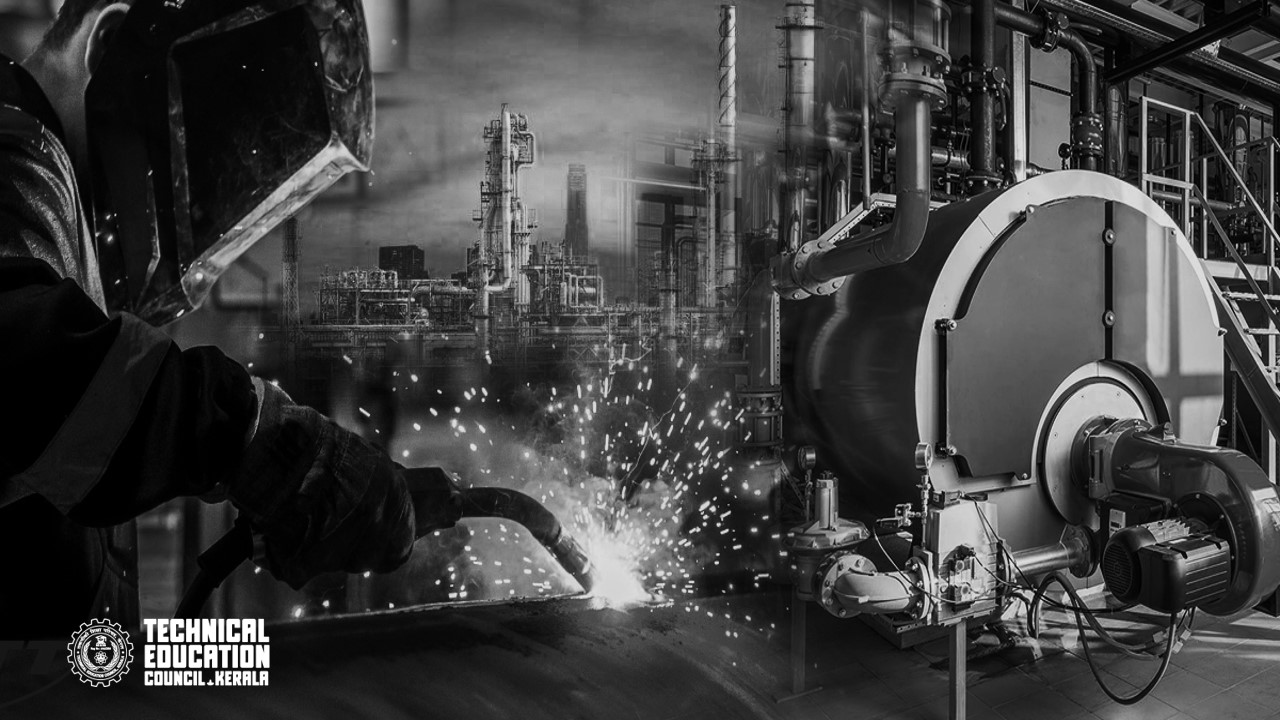
Welding has long been considered a traditional technical trade. However, modern manufacturing has transformed welding into a highly specialized profession involving automation, robotics, and advanced materials technology.
Industries such as shipbuilding, aerospace, oil and gas, infrastructure, renewable energy, and heavy engineering continue to rely heavily on skilled welding professionals. The difference today is that modern welders often work alongside robotic systems and computerized manufacturing equipment.
Technical education institutions are upgrading welding programs to include Robotic Welding, Advanced Fabrication, Quality Inspection, Industrial Safety, and Automated Manufacturing Systems.
Experts report growing demand for certified welders capable of working with advanced materials and international quality standards. Infrastructure projects, renewable energy installations, and industrial expansion are contributing significantly to employment growth.
Modern welding careers offer opportunities beyond manual operations. Professionals can progress into inspection, quality assurance, production supervision, and manufacturing management roles.
Another important trend is the increasing use of welding automation. While robots handle repetitive tasks, skilled technicians remain essential for programming, monitoring, maintenance, and quality control.
For students interested in hands-on technical careers, industrial welding offers excellent job prospects both in India and internationally.
As manufacturing technologies continue evolving, welding professionals with advanced technical skills will remain valuable contributors to industrial growth and infrastructure development.