Latest Blogs

Global Careers Begin with Language Skills: Why Multilingual Professionals Are in High Demand
The workplace is becoming increasingly global. Companies now serve customers across continents, collaborate with intern… The workplace is becoming increasingly global. Companies now serve customers across continents, collaborate with international partners, and recruit talent from multiple countries. As a result, multilingual professionals are becoming valuable assets in every industry. English remains the dominant language of business, technology, research, and higher education. However, knowledge of additional languages such as German, French, Japanese, Arabic, Spanish, or Korean can significantly improve career prospects in manufacturing, IT, healthcare, hospitality, international trade, and customer support. Technical education institutions are beginning to integrate foreign language programmes alongside technical training. Students with engineering, healthcare, digital marketing, logistics, or software development backgrounds become more competitive when combined with language proficiency. Language learning also develops cultural awareness, adaptability, listening skills, and confidence in international communication. These qualities are increasingly valued by multinational organizations. Professionals with multilingual abilities often qualify for international assignments, overseas employment, higher salaries, and cross-border project opportunities. Even domestic companies serving global markets prefer candidates who can communicate with international clients. Learning a new language is no longer merely an academic pursuit—it is becoming a strategic career investment. Students who combine technical expertise with multilingual communication will have access to wider employment opportunities in the global economy.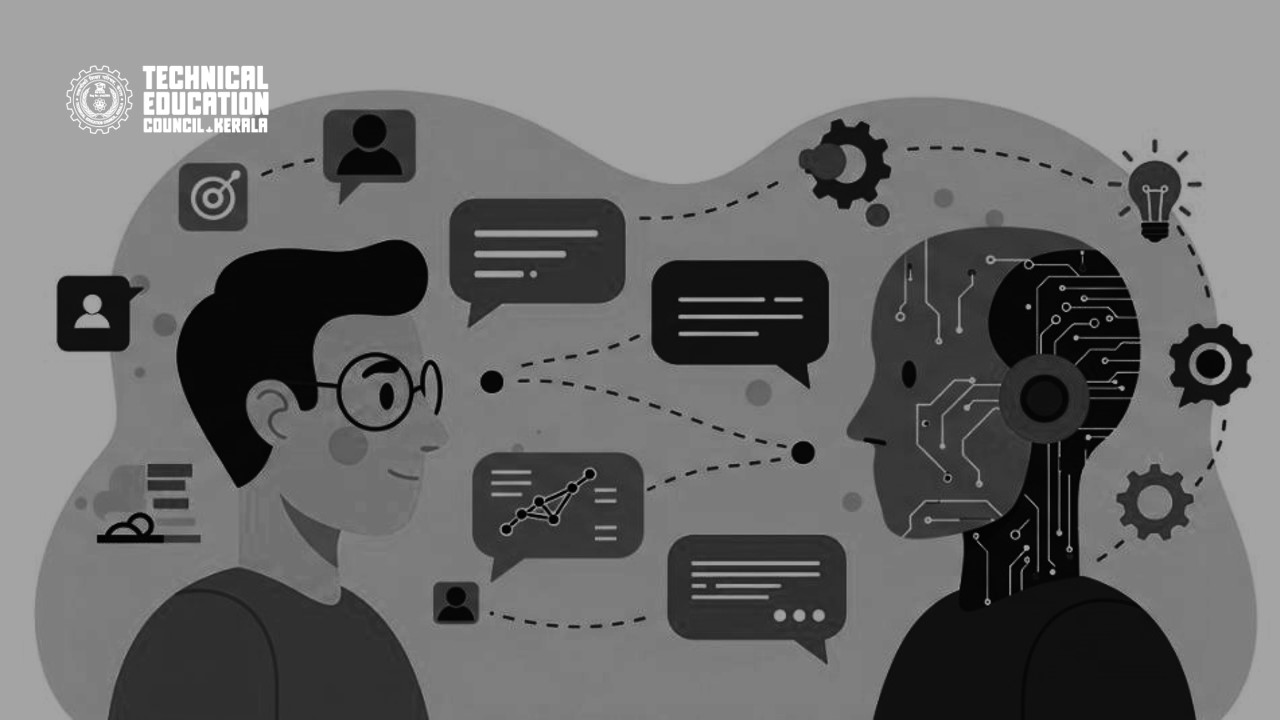
AI Will Not Replace Great Communicators: Why Human Communication Is Becoming the Most Valuable Career Skill
Artificial Intelligence is writing emails, generating reports, answering customer queries, and even creating presentati… Artificial Intelligence is writing emails, generating reports, answering customer queries, and even creating presentations. Many students now wonder whether communication skills will still matter in an AI-driven workplace. Surprisingly, the answer is yes—perhaps more than ever before. While AI can generate content quickly, it cannot fully replace empathy, emotional intelligence, negotiation, leadership, cultural understanding, or relationship-building. Organizations increasingly seek professionals who can communicate complex ideas, resolve conflicts, inspire teams, and build trust with clients. According to recent workplace studies, employers consistently rank communication among the top employability skills across industries, including IT, healthcare, manufacturing, finance, education, and digital marketing. Technical knowledge may secure an interview, but communication often determines career growth. Technical education institutions are therefore expanding training in business communication, public speaking, presentation skills, professional writing, group discussions, client interaction, and workplace etiquette. Students who actively participate in seminars, debates, technical presentations, and team projects gain confidence that cannot be developed through textbooks alone. Communication also plays a significant role in remote and hybrid work environments. Employees frequently collaborate with colleagues across different countries using video conferencing, emails, and digital collaboration platforms. Clear communication prevents misunderstandings and improves productivity. As AI automates routine tasks, uniquely human qualities such as persuasion, storytelling, collaboration, and emotional connection will become increasingly valuable. Students who invest in communication skills today will remain relevant regardless of technological change.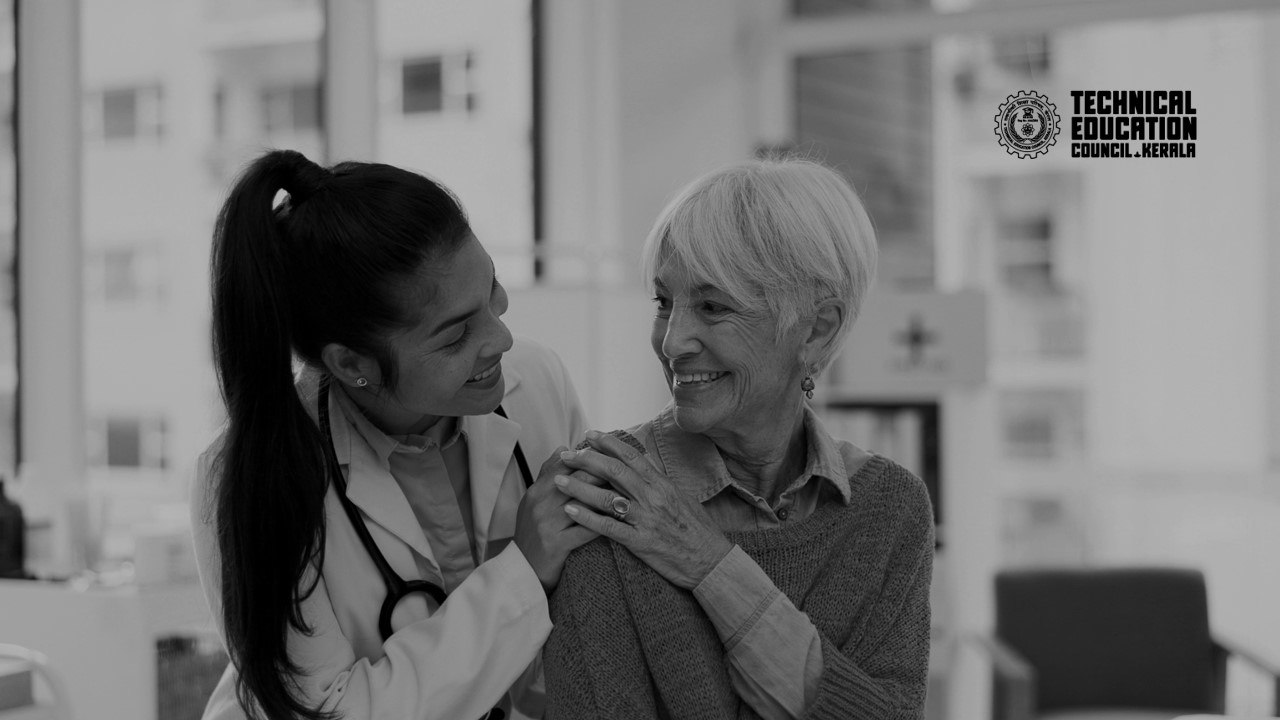
Soft Skills Are Becoming the Most Valuable Qualification in Healthcare Careers
Technical competence is essential in healthcare, but patients rarely remember only medical procedures—they remember how… Technical competence is essential in healthcare, but patients rarely remember only medical procedures—they remember how healthcare professionals treated them. Communication, empathy, patience, teamwork, professionalism, emotional intelligence, ethical behaviour, and cultural sensitivity have become some of the most valuable employability skills in healthcare. Hospitals increasingly evaluate candidates not only on technical knowledge but also on their ability to communicate clearly with patients, collaborate with multidisciplinary teams, and handle stressful situations professionally. Technical education institutions are strengthening Life Skills education by incorporating communication training, leadership development, conflict resolution, stress management, emotional intelligence, patient interaction, and workplace ethics into healthcare programmes. Healthcare professionals frequently interact with patients experiencing fear, anxiety, pain, or emotional distress. Compassionate communication significantly improves patient satisfaction and treatment outcomes. Students who develop both technical competence and interpersonal excellence become more effective healthcare professionals and stronger candidates during recruitment. As healthcare becomes increasingly patient-centred, soft skills will continue distinguishing exceptional professionals from average practitioners. For students entering healthcare education today, developing life skills is not optional—it is an essential part of becoming a trusted and successful healthcare professional.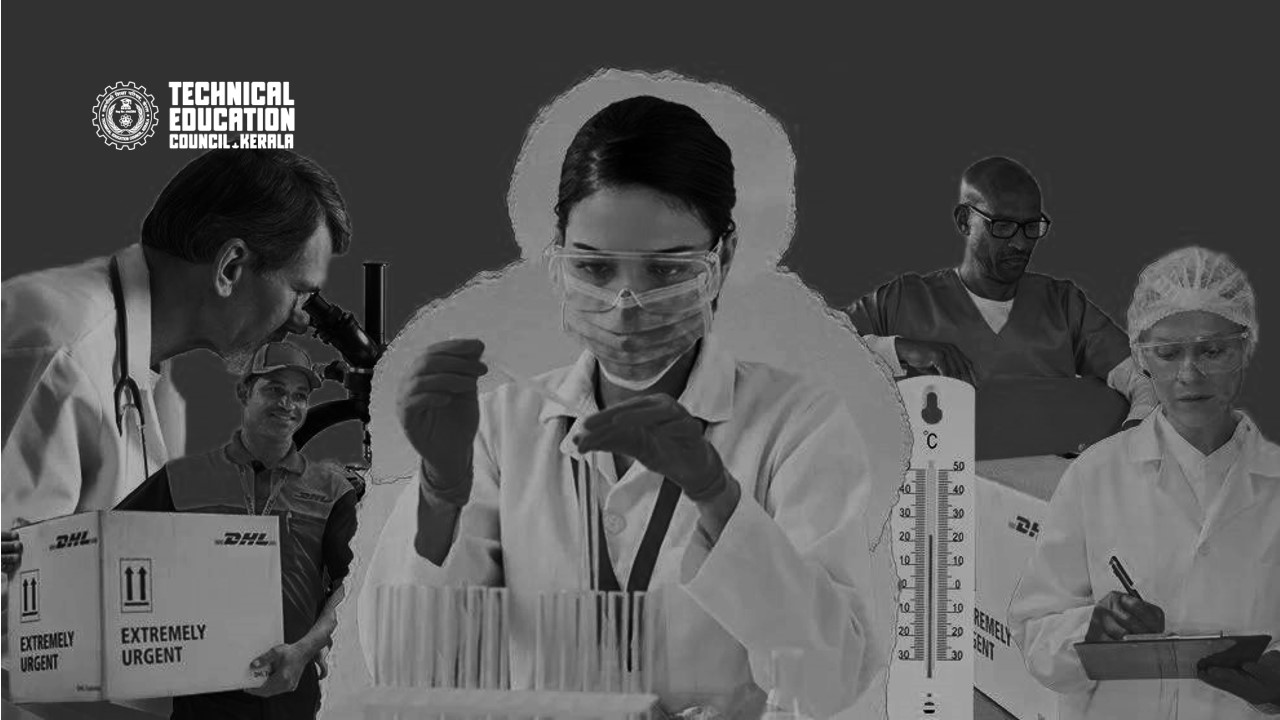
Healthcare Logistics Is Emerging as a High-Demand Career in Medical Services
When people think about hospitals, they often focus on doctors, nurses, and laboratories. However, behind every success… When people think about hospitals, they often focus on doctors, nurses, and laboratories. However, behind every successful healthcare facility is an efficient logistics system responsible for ensuring that medicines, medical equipment, laboratory samples, blood products, oxygen supplies, and emergency resources are always available. Healthcare Logistics has become one of the fastest-growing support functions in modern healthcare. Professionals working in this field manage inventory, medical procurement, hospital supply chains, pharmaceutical distribution, cold-chain transportation, warehouse operations, and emergency medical resource planning. Technical education institutions are gradually introducing programmes covering Supply Chain Management, Hospital Administration, Healthcare Operations, Inventory Management, Medical Procurement, and Digital Logistics Systems. With increasing investments in healthcare infrastructure, pharmaceutical manufacturing, and medical technology, organizations require professionals who can efficiently coordinate healthcare resources. Students pursuing healthcare management or paramedical education can significantly improve employability by understanding logistics, operations management, and digital inventory systems. Healthcare logistics ensures uninterrupted patient care by supporting every department within the hospital ecosystem. As healthcare services continue expanding, logistics professionals will remain critical contributors to operational excellence.
Lifestyle Disease Management Is Becoming One of the Fastest-Growing Healthcare Careers
Modern lifestyles have dramatically increased the prevalence of diabetes, hypertension, obesity, cardiovascular disease… Modern lifestyles have dramatically increased the prevalence of diabetes, hypertension, obesity, cardiovascular diseases, stress disorders, and other chronic conditions. As a result, healthcare systems are shifting their focus from treatment to prevention and long-term wellness management. This transformation has created new employment opportunities in Lifestyle Disease Management. Professionals now work as Health Coaches, Wellness Coordinators, Preventive Healthcare Executives, Nutrition Assistants, Patient Educators, Community Health Workers, and Corporate Wellness Consultants. Technical education institutions are beginning to integrate health education, nutrition awareness, mental wellness, preventive care, fitness management, and patient counselling into healthcare programmes. Hospitals, corporate organizations, insurance companies, wellness centres, rehabilitation clinics, and public health agencies increasingly recruit professionals who can educate individuals about healthy living and disease prevention. Students entering paramedical education should understand that healthcare careers extend beyond hospitals. Preventive healthcare and community wellness are becoming equally important sectors with expanding employment opportunities. Strong communication, empathy, motivational counselling, and patient education skills are essential for professionals working in preventive healthcare. The future healthcare system will depend not only on treating illness but also on helping communities lead healthier lives.
Precision Medicine Is Creating New Career Opportunities Beyond Traditional Healthcare
For decades, medical treatments were largely based on general guidelines that applied to most patients. Today, healthca… For decades, medical treatments were largely based on general guidelines that applied to most patients. Today, healthcare is entering a new era known as Precision Medicine, where treatment plans are tailored to an individual's genetics, lifestyle, environment, and medical history. Precision Medicine relies on advanced technologies such as Artificial Intelligence, Genomics, Big Data Analytics, Bioinformatics, and Molecular Diagnostics. These innovations enable healthcare professionals to deliver more personalized and effective care. As hospitals and research institutions adopt precision medicine, new career opportunities are emerging for Genetic Laboratory Technologists, Clinical Data Specialists, Bioinformatics Analysts, Molecular Diagnostic Technicians, and Healthcare Data Professionals. Technical education institutions are gradually expanding programmes in Biotechnology, Clinical Laboratory Science, Health Data Analytics, Molecular Biology, and Medical Research Technology to support this growing field. Students interested in healthcare should understand that future medical practice will increasingly depend on data interpretation, laboratory technologies, and personalized diagnostics. Professionals who can combine laboratory expertise with digital skills will have strong career prospects. Precision Medicine also improves preventive healthcare by identifying disease risks before symptoms appear, allowing healthcare providers to intervene earlier. As personalized healthcare becomes more widespread, technical education will play a vital role in preparing the next generation of healthcare professionals.
Smart Hospitals Need Smart Professionals: Why Digital Healthcare Skills Are Becoming Essential
Healthcare is no longer limited to doctors and nurses using paper records and manual processes. Across India and the wo… Healthcare is no longer limited to doctors and nurses using paper records and manual processes. Across India and the world, hospitals are rapidly adopting Artificial Intelligence (AI), Electronic Health Records (EHR), Internet of Things (IoT), wearable devices, cloud computing, and smart medical equipment. This transformation has created a growing demand for professionals who understand both healthcare and technology. Modern hospitals now require Medical Laboratory Technologists, Hospital Information System Executives, Health Data Coordinators, Biomedical Equipment Technicians, Digital Health Assistants, and Telemedicine Coordinators. These professionals ensure that healthcare systems operate efficiently while supporting better patient outcomes. Technical education institutions are increasingly introducing courses in Medical Laboratory Technology, Hospital Administration, Health Informatics, Biomedical Equipment Technology, Medical Coding, Telemedicine, and Digital Healthcare Systems. Students who combine clinical knowledge with digital competencies are becoming highly employable. For example, hospitals today rely on digital patient records, online appointment systems, remote patient monitoring, AI-assisted diagnostics, and cloud-based healthcare management platforms. Professionals who understand these systems are valuable assets to healthcare organizations. Apart from technical skills, communication, empathy, teamwork, confidentiality, and ethical decision-making remain essential qualities for healthcare professionals. Patients expect compassionate care alongside technological efficiency. The future healthcare workforce will require professionals who can confidently operate digital technologies while maintaining patient-centred care. Students entering healthcare education today should prepare themselves for a technology-driven clinical environment.
Neurodesign Is Emerging as the Future of Creative Decision-Making
Modern design is no longer based solely on aesthetics. Designers increasingly rely on psychology, neuroscience, and beh… Modern design is no longer based solely on aesthetics. Designers increasingly rely on psychology, neuroscience, and behavioural science to understand how people interact with visual content. This emerging discipline is known as Neurodesign. Neurodesign studies how colours, typography, layouts, animations, interfaces, and visual elements influence human attention, memory, emotions, and purchasing decisions. Companies across advertising, e-commerce, education, healthcare, banking, and entertainment are applying Neurodesign principles to improve customer engagement and user experiences. Technical education institutions are gradually integrating User Experience Design, Consumer Psychology, Human-Centred Design, Behavioural Science, Interface Design, Visual Communication, and Design Thinking into creative programmes. Students interested in Graphic Design, UI/UX, Advertising, Branding, Digital Marketing, and Product Design can benefit significantly from understanding how people perceive and respond to visual information. Career opportunities include UX Researcher, Behavioural Designer, Product Designer, Customer Experience Designer, Visual Strategist, and Creative Consultant. As Artificial Intelligence generates more visual content automatically, human designers who understand psychology and emotional engagement will become even more valuable. Neurodesign demonstrates that the future of creativity lies at the intersection of design, science, and technology.
Motion Branding Is Becoming the New Standard for Digital Marketing
Brands today compete not only through logos but through movement, animation, and digital experiences. This evolution ha… Brands today compete not only through logos but through movement, animation, and digital experiences. This evolution has created a rapidly growing specialization known as Motion Branding. Motion Branding uses animated logos, kinetic typography, social media animations, product launch videos, digital advertisements, explainer videos, mobile app animations, and user interface transitions to strengthen brand identity. Consumers spend significantly more time engaging with moving visual content compared to static graphics. Consequently, companies increasingly recruit Motion Graphic Designers capable of producing visually compelling digital assets. Technical education institutions are introducing specialized training in Adobe After Effects, Premiere Pro, Cinema 4D, Blender, Adobe Illustrator, Brand Strategy, Typography, and Digital Marketing Design. Career opportunities include Brand Motion Designer, Creative Animator, Visual Identity Specialist, Marketing Designer, Social Media Content Designer, and Video Marketing Professional. As digital marketing continues expanding across every industry, Motion Branding has become one of the most valuable creative skills for employment. Students who master animation alongside branding principles will enjoy excellent career prospects across advertising agencies, startups, corporate marketing teams, media organizations, and production studios.