Smart Hospitals Need Smart Professionals: Why Digital Healthcare Skills Are Becoming Essential
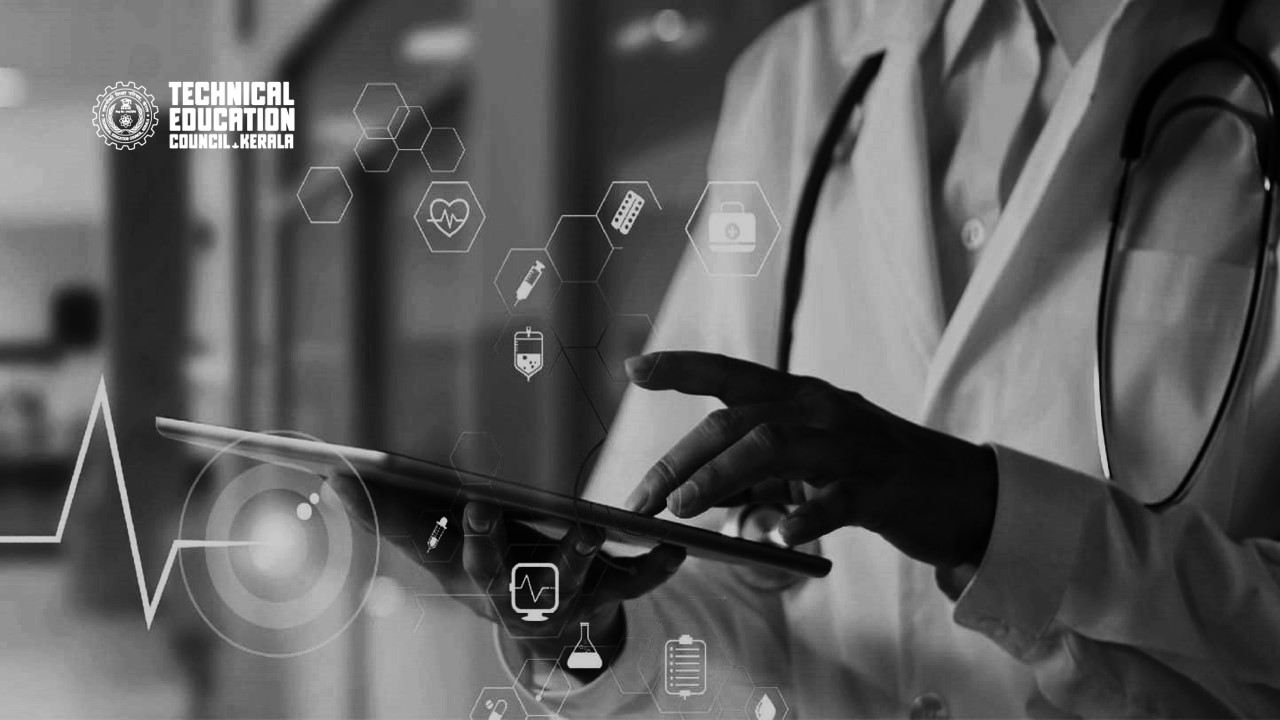
Healthcare is no longer limited to doctors and nurses using paper records and manual processes. Across India and the world, hospitals are rapidly adopting Artificial Intelligence (AI), Electronic Health Records (EHR), Internet of Things (IoT), wearable devices, cloud computing, and smart medical equipment. This transformation has created a growing demand for professionals who understand both healthcare and technology.
Modern hospitals now require Medical Laboratory Technologists, Hospital Information System Executives, Health Data Coordinators, Biomedical Equipment Technicians, Digital Health Assistants, and Telemedicine Coordinators. These professionals ensure that healthcare systems operate efficiently while supporting better patient outcomes.
Technical education institutions are increasingly introducing courses in Medical Laboratory Technology, Hospital Administration, Health Informatics, Biomedical Equipment Technology, Medical Coding, Telemedicine, and Digital Healthcare Systems. Students who combine clinical knowledge with digital competencies are becoming highly employable.
For example, hospitals today rely on digital patient records, online appointment systems, remote patient monitoring, AI-assisted diagnostics, and cloud-based healthcare management platforms. Professionals who understand these systems are valuable assets to healthcare organizations.
Apart from technical skills, communication, empathy, teamwork, confidentiality, and ethical decision-making remain essential qualities for healthcare professionals. Patients expect compassionate care alongside technological efficiency.
The future healthcare workforce will require professionals who can confidently operate digital technologies while maintaining patient-centred care. Students entering healthcare education today should prepare themselves for a technology-driven clinical environment.