Latest Blogs

Video Content Is the New Currency: Video Editing & Motion Graphics Skills Are Exploding
If content is king, video is the entire kingdom. With platforms like YouTube, Instagram, and OTT services dominating di… If content is king, video is the entire kingdom. With platforms like YouTube, Instagram, and OTT services dominating digital consumption, the demand for video editors, motion graphic designers, and content creators has skyrocketed. Brands, influencers, and businesses are investing heavily in high-quality video content, animations, reels, and advertisements to capture audience attention. This has created a massive demand for professionals skilled in video editing, storytelling, animation, and visual effects. Tools like Adobe Premiere Pro, After Effects, Final Cut Pro, and DaVinci Resolve have become essential in the creative industry. However, many students still lack practical exposure to these tools due to outdated education systems. Technical education is evolving to meet this demand by offering hands-on training in video editing, motion graphics, and digital storytelling. Students work on real-world projects, building portfolios that showcase their creativity and technical expertise. One of the biggest advantages of this field is flexibility. Professionals can work in media companies, advertising agencies, film production, or as freelancers, earning through multiple income streams. With the rise of short-form content and digital marketing, video skills are no longer optional—they are essential. Students who invest in learning video editing and motion graphics today can tap into one of the fastest-growing creative industries.
UI/UX Design Jobs Are in High Demand: Why User Experience Skills Are the Future of Tech
In today’s digital-first world, user experience has become a key factor in the success of any product. Whether it’s a m… In today’s digital-first world, user experience has become a key factor in the success of any product. Whether it’s a mobile app, website, or software platform, companies are investing heavily in UI/UX design to improve customer engagement and satisfaction. This has led to a surge in demand for professionals skilled in user interface design, user experience research, wireframing, prototyping, and usability testing. Roles such as UI designer, UX designer, product designer, and interaction designer are among the fastest-growing careers in the tech industry. What makes UI/UX design unique is its combination of creativity, psychology, and technology. Designers are not just creating visuals—they are solving problems, improving user journeys, and enhancing digital experiences. Despite the growing demand, many students are still unaware of the career opportunities in this field. Traditional education systems often focus more on coding than on design thinking and user experience principles. Technical education programs are now bridging this gap by offering hands-on UI/UX training, real-world projects, and portfolio development. Students learn tools like Figma, Adobe XD, Sketch, and prototyping platforms, along with core concepts like user research and interaction design. The advantage of UI/UX careers is clear—high demand, competitive salaries, and opportunities across industries such as IT, e-commerce, fintech, healthcare, and gaming. For students looking to enter the tech industry without heavy coding, UI/UX design offers a powerful and creative career path.
Creative Careers in India Are Booming: Why Design Skills Are Becoming the New Degree
The definition of a “successful career” in India is changing fast. While traditional degrees still hold value, industri… The definition of a “successful career” in India is changing fast. While traditional degrees still hold value, industries today are actively hiring professionals with creative skills, design thinking, and digital media expertise. From startups to global brands, companies are investing heavily in graphic design, UI/UX design, video editing, motion graphics, and content creation. The rise of social media platforms, digital marketing, and online businesses has created massive demand for creative professionals who can build visual identities, design user experiences, and produce engaging content. According to industry reports, India’s digital economy is expected to generate millions of jobs in creative media and design fields over the next few years. However, a major gap still exists. Many students are unaware that creative careers offer high-paying job opportunities, freelancing potential, and global exposure. Traditional education often overlooks practical design tools like Adobe Photoshop, Illustrator, Figma, Premiere Pro, and After Effects, which are essential in today’s job market. Modern technical education is now shifting toward skill-based learning, offering hands-on training, real-world projects, and portfolio development. Employers no longer just look at degrees—they evaluate creativity, portfolio quality, and practical experience. For students, this is a huge opportunity. By mastering creative tools and building strong portfolios, they can enter industries like advertising, branding, digital marketing, filmmaking, and UI/UX design. The future belongs to creators. And those who combine creativity with technical skills will lead the next generation of digital innovation.
DevOps Is Redefining IT Careers: Why Continuous Deployment Skills Are in High Demand
The traditional approach to software development is rapidly evolving, and DevOps is at the center of this transformatio… The traditional approach to software development is rapidly evolving, and DevOps is at the center of this transformation. By combining development and operations, DevOps enables faster, more efficient software delivery, making it a critical skill in today’s tech industry. Companies are increasingly adopting DevOps practices to improve productivity, reduce downtime, and enhance collaboration. This has created a growing demand for professionals skilled in CI/CD pipelines, automation tools, containerization, and infrastructure as code. Roles such as DevOps engineer, site reliability engineer (SRE), and cloud DevOps specialist are among the most sought-after positions in the job market. These roles require a combination of technical expertise and problem-solving skills, making them ideal for students with a strong foundation in programming and system administration. Technical education programs are now incorporating DevOps into their curriculum, focusing on tools like Docker, Kubernetes, Jenkins, Git, and Ansible. Hands-on projects and real-world scenarios help students understand how to automate workflows and manage complex systems. One of the key advantages of DevOps is its impact on employability. Professionals with DevOps skills are highly valued because they can bridge the gap between development and operations, ensuring seamless software delivery. For students, learning DevOps is not just about tools—it’s about adopting a mindset of continuous improvement, collaboration, and automation. As businesses continue to prioritize speed and efficiency, DevOps will remain a critical component of technical education and career development.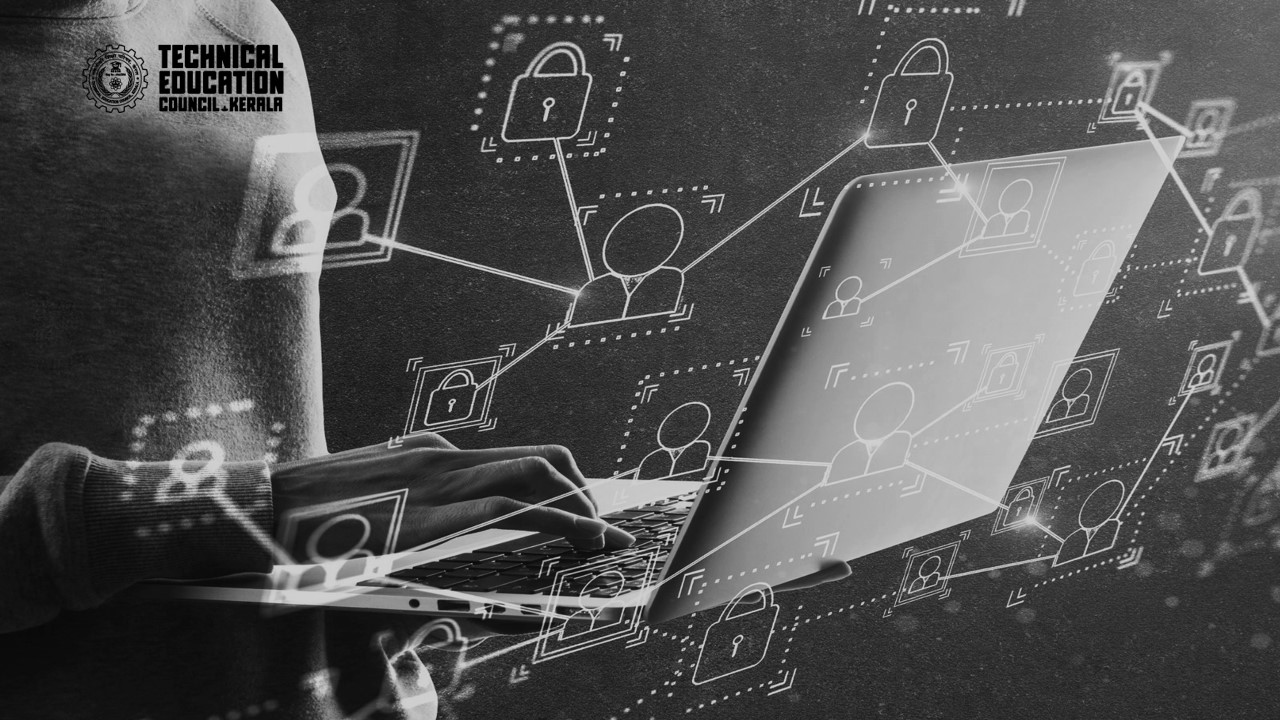
Cybersecurity Careers in India Are Surging: Why Students Must Act Now Before the Talent Gap Widens
India is witnessing an unprecedented rise in cyber threats, from ransomware attacks to data breaches affecting business… India is witnessing an unprecedented rise in cyber threats, from ransomware attacks to data breaches affecting businesses, governments, and individuals. As digital transformation accelerates, the demand for skilled professionals in cybersecurity, ethical hacking, network security, and information security is growing faster than ever. According to recent industry estimates, India is facing a shortage of over 800,000 cybersecurity professionals, making it one of the most in-demand career paths in technical education today. Yet, many students are still unaware of the massive employment opportunities available in this field. The core issue lies in the gap between academic knowledge and practical cybersecurity skills. While traditional education focuses on theory, employers are actively seeking candidates who can perform vulnerability assessment, penetration testing, threat detection, and incident response in real-world scenarios. Modern technical education programs are now addressing this gap by offering hands-on cybersecurity training, certification programs, and internship-based learning. Students who learn tools like Kali Linux, Wireshark, Metasploit, and SIEM platforms gain a strong competitive advantage in the job market. Cybersecurity is not just a job—it’s a critical function in today’s digital world. With increasing reliance on cloud computing, online transactions, and digital services, the need for robust security systems is non-negotiable. For students, this means one thing: early skill development leads to high-paying, future-proof careers. Roles such as ethical hacker, security analyst, cybersecurity engineer, and SOC analyst offer excellent growth opportunities both in India and globally. The window of opportunity is open—but it won’t stay that way forever. Students who act now can position themselves at the forefront of one of the fastest-growing industries.
AI in Small Businesses: The Untapped Career Opportunity for Students
When people think of Artificial Intelligence, they often imagine large tech companies. However, one of the most overloo… When people think of Artificial Intelligence, they often imagine large tech companies. However, one of the most overlooked opportunities lies in small and medium businesses (SMEs) that are beginning to adopt AI solutions. From customer chatbots to sales forecasting, AI is helping small businesses improve efficiency and decision-making. This shift is creating demand for professionals who can implement AI tools, automate processes, and analyze business data. For students, this represents a unique career path. Instead of competing for roles in large corporations, they can work with SMEs, startups, or even offer freelance AI services. This not only provides practical experience but also opens doors to entrepreneurship and consulting opportunities. Technical education is evolving to include applied AI, business analytics, and automation tools, enabling learners to work across industries such as retail, healthcare, finance, and logistics. The advantage? Lower competition, faster growth, and diverse experience. As AI adoption spreads beyond big tech, students who understand practical applications will find themselves in high demand.
AI Jobs in India Are Exploding: Why Students Are Still Not Industry-Ready
Artificial Intelligence is no longer just a buzzword—it’s one of the fastest-growing career fields in India. From start… Artificial Intelligence is no longer just a buzzword—it’s one of the fastest-growing career fields in India. From startups to multinational corporations, companies are actively hiring professionals skilled in AI, machine learning, and data science. Yet, despite the surge in demand, a large number of students remain unprepared for these opportunities. The core issue lies in the gap between technical education and industry requirements. While many institutions teach theoretical concepts, employers are looking for candidates with hands-on experience, project portfolios, and problem-solving abilities. This mismatch has created a paradox—high demand for AI talent, but limited job-ready professionals. According to recent estimates, India will need over 1 million AI professionals in the coming years, but only a fraction of graduates possess the required skills. This is where modern technical education programs are making a difference by focusing on practical learning, real-world datasets, and live project experience. Students who invest time in learning Python, machine learning algorithms, deep learning, and AI tools are more likely to stand out. Additionally, internships and certifications play a crucial role in building industry readiness. The opportunity is massive—but so is the competition. For students, the key is not just learning AI, but applying it effectively. In today’s job market, skills speak louder than degrees.
From Tier-2 Cities to Tech Careers: How Technical Education Is Breaking Location Barriers in India
For years, access to quality technical education and high-paying tech jobs was concentrated in metro cities. But today,… For years, access to quality technical education and high-paying tech jobs was concentrated in metro cities. But today, that trend is rapidly changing. Students from Tier-2 and Tier-3 cities are entering the tech workforce in record numbers, thanks to the rise of online technical education, remote work opportunities, and skill-based learning platforms. The shift has been driven by digital infrastructure, affordable internet, and increased awareness of job-oriented courses in fields like web development, digital marketing, cloud computing, and data science. Students no longer need to relocate to metros to access quality training—they can learn, build skills, and even work remotely from their hometowns. This transformation is not just about convenience—it’s about opportunity. Companies are increasingly hiring based on skills and project experience, rather than location or college reputation. This has opened doors for talented individuals from smaller cities to compete on a national and even global level. Technical education institutes are adapting by offering industry-relevant courses, internships, and live project exposure, ensuring students gain practical skills that employers demand. As a result, learners from non-metro regions are now securing roles in IT services, startups, freelancing, and remote tech jobs. The impact is significant—not only are individuals benefiting, but local economies are also growing as skilled professionals choose to stay and work in their regions. The message is clear: location is no longer a limitation. With the right skills and access to technical education, opportunities are everywhere.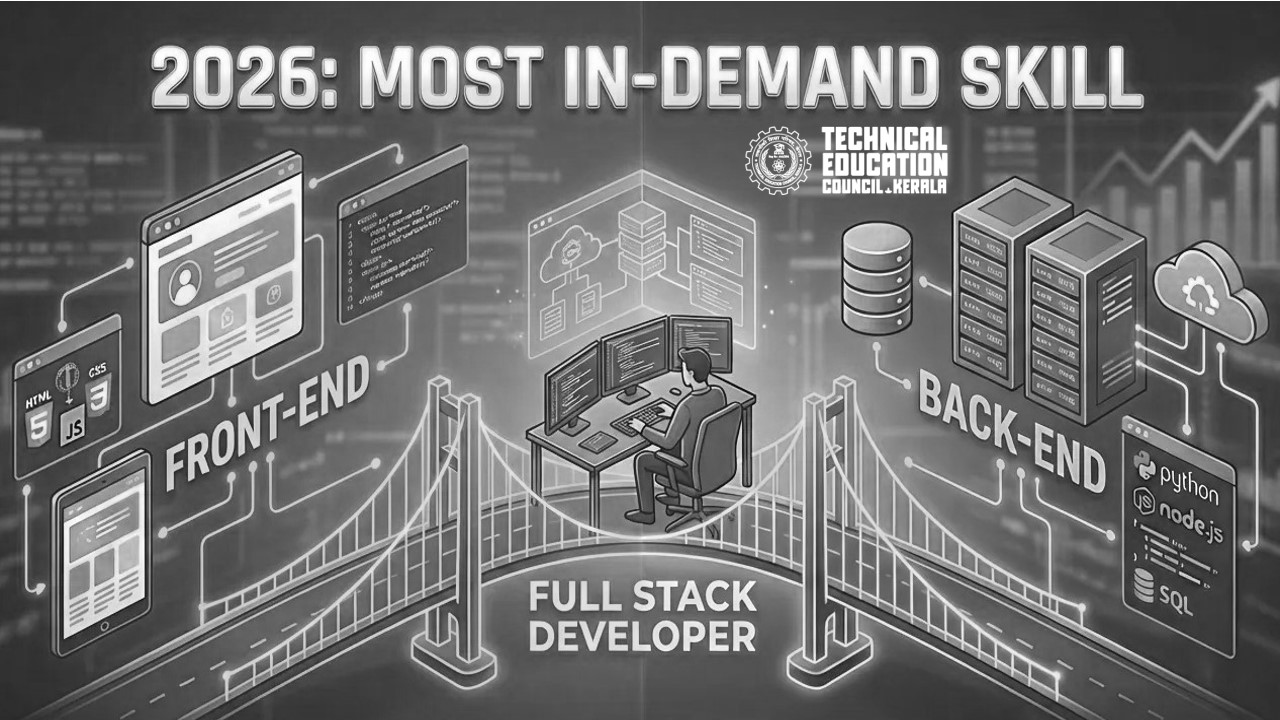
Full Stack Development in 2026: The Most In-Demand Skill for IT Jobs
Full stack development has emerged as one of the most sought-after skills in the IT industry. Companies are looking for… Full stack development has emerged as one of the most sought-after skills in the IT industry. Companies are looking for developers who can handle both front-end and back-end development, making full stack developers highly valuable. Technical education institutions are focusing on full stack web development courses to meet industry demand. Students learn technologies such as HTML, CSS, JavaScript, React, Node.js, and databases. The demand for full stack developers is driven by the need for dynamic and scalable web applications. Businesses are moving online, creating a huge demand for web development professionals. One of the biggest advantages of full stack development is its versatility. Developers can work on multiple aspects of a project, making them more valuable to employers. This also opens up opportunities for freelancing and entrepreneurship. Hands-on training and real-world projects are essential for mastering full stack development. Technical education programs must focus on practical learning to ensure students are job-ready. In conclusion, full stack development is one of the most in-demand skills in 2026. Students who master this skill can secure high-paying jobs and build successful careers in the IT industry.