
DevOps Is Redefining IT Careers: Why Continuous Deployment Skills Are in High Demand
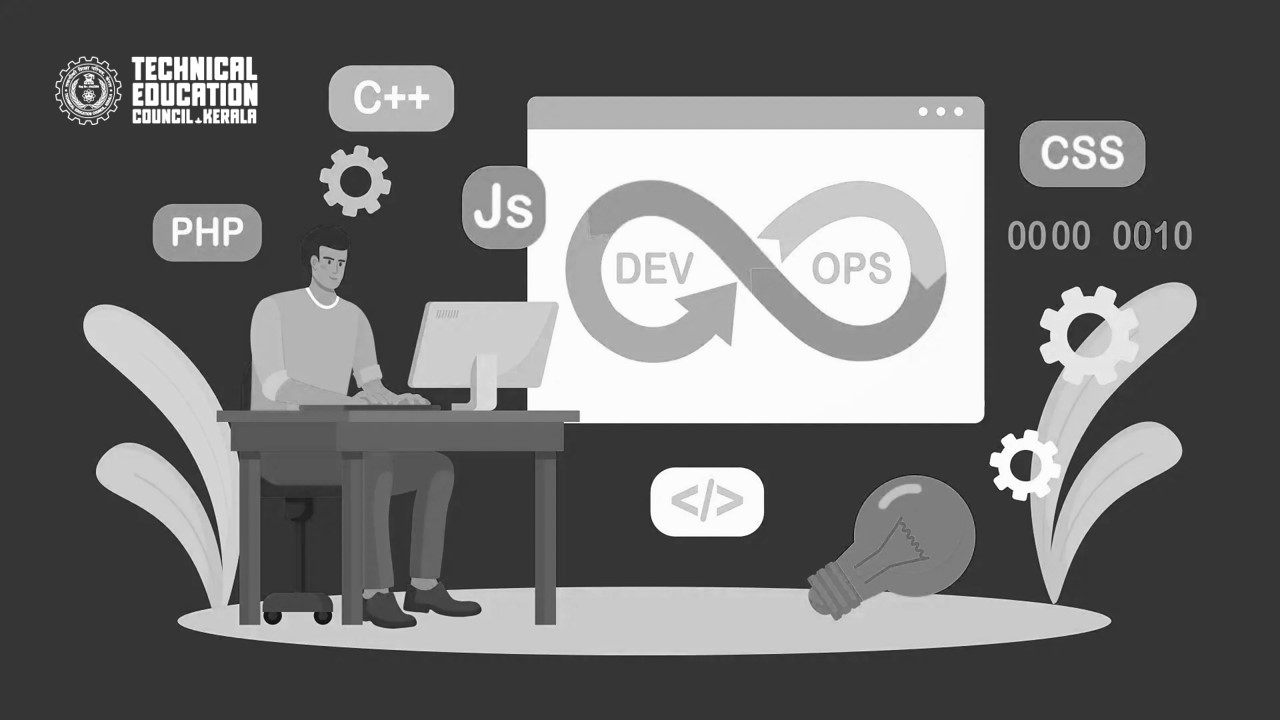
The traditional approach to software development is rapidly evolving, and DevOps is at the center of this transformation. By combining development and operations, DevOps enables faster, more efficient software delivery, making it a critical skill in today’s tech industry.
Companies are increasingly adopting DevOps practices to improve productivity, reduce downtime, and enhance collaboration. This has created a growing demand for professionals skilled in CI/CD pipelines, automation tools, containerization, and infrastructure as code.
Roles such as DevOps engineer, site reliability engineer (SRE), and cloud DevOps specialist are among the most sought-after positions in the job market. These roles require a combination of technical expertise and problem-solving skills, making them ideal for students with a strong foundation in programming and system administration.
Technical education programs are now incorporating DevOps into their curriculum, focusing on tools like Docker, Kubernetes, Jenkins, Git, and Ansible. Hands-on projects and real-world scenarios help students understand how to automate workflows and manage complex systems.
One of the key advantages of DevOps is its impact on employability. Professionals with DevOps skills are highly valued because they can bridge the gap between development and operations, ensuring seamless software delivery.
For students, learning DevOps is not just about tools—it’s about adopting a mindset of continuous improvement, collaboration, and automation.
As businesses continue to prioritize speed and efficiency, DevOps will remain a critical component of technical education and career development.