Latest Blogs

Why Soft Skills Training Is Becoming a Core Part of Technical Education
A major transformation is taking place in technical education. Employers are no longer evaluating candidates solely on … A major transformation is taking place in technical education. Employers are no longer evaluating candidates solely on academic performance or technical knowledge. Instead, they are increasingly prioritizing Soft Skills, Professional Development, Emotional Intelligence, Leadership Skills, and Workplace Readiness. Recent hiring trends show that organizations value adaptability, teamwork, communication, problem-solving, and critical thinking as much as technical expertise. In many cases, candidates with average technical skills but excellent soft skills outperform those with strong technical knowledge but poor interpersonal abilities. The rapid growth of automation and Artificial Intelligence has accelerated this trend. While technology can automate routine tasks, human-centered skills such as empathy, creativity, leadership, and collaboration remain irreplaceable. Technical education institutions are increasingly offering programs focused on Leadership Development, Team Building, Time Management, Conflict Resolution, and Workplace Communication. Students are participating in workshops, internships, mock interviews, and industry interactions designed to improve professional readiness. One reason soft skills are becoming so important is the growing complexity of modern workplaces. Employees often work across departments, cultures, and geographical boundaries, requiring strong interpersonal and communication capabilities. Experts predict that soft skills will become one of the most valuable employability factors over the next decade. Companies want professionals who can manage change, handle pressure, communicate effectively, and contribute positively to organizational culture. For students, developing soft skills provides significant career advantages. These abilities improve interview performance, workplace relationships, leadership potential, and overall career progression. In the future, successful professionals will not simply be the most technically skilled individuals—they will be those who can effectively combine technical knowledge with strong human skills.
English Communication Skills Are Becoming More Important Than Technical Skills for Career Growth
In today's competitive job market, having strong technical skills alone is no longer enough. Employers increasingly see… In today's competitive job market, having strong technical skills alone is no longer enough. Employers increasingly seek professionals who can communicate ideas clearly, collaborate effectively, and build strong workplace relationships. This shift has made English Communication Skills, Business Communication, Professional Speaking, and Workplace Communication some of the most valuable employability skills in 2026. Across industries such as Information Technology, Healthcare, Finance, Digital Marketing, and Engineering, recruiters consistently report that communication gaps remain one of the biggest challenges among graduates. Many technically qualified candidates struggle during interviews, client interactions, presentations, and team discussions. As companies expand globally, communication has become a critical business skill. Professionals often work with international teams, clients, and stakeholders, making spoken English, email writing, presentation skills, and professional etiquette essential. Technical education institutions are responding by integrating Communication Skills Training, Personality Development Programs, Interview Preparation, and Public Speaking Workshops into their curriculum. These programs focus on practical exercises, role plays, group discussions, and real-world workplace scenarios. The rise of remote work has further increased the importance of communication. Virtual meetings, online collaboration tools, and digital presentations require professionals to express themselves clearly and confidently. Experts believe communication skills directly influence career progression. Employees with strong communication abilities often advance faster into leadership roles because they can manage teams, negotiate effectively, and build professional relationships. For students, improving communication skills is one of the most affordable and impactful investments in career growth. Technical knowledge may help secure a job, but communication skills often determine long-term success. The future workplace belongs to professionals who can combine technical expertise with excellent communication, confidence, and interpersonal abilities.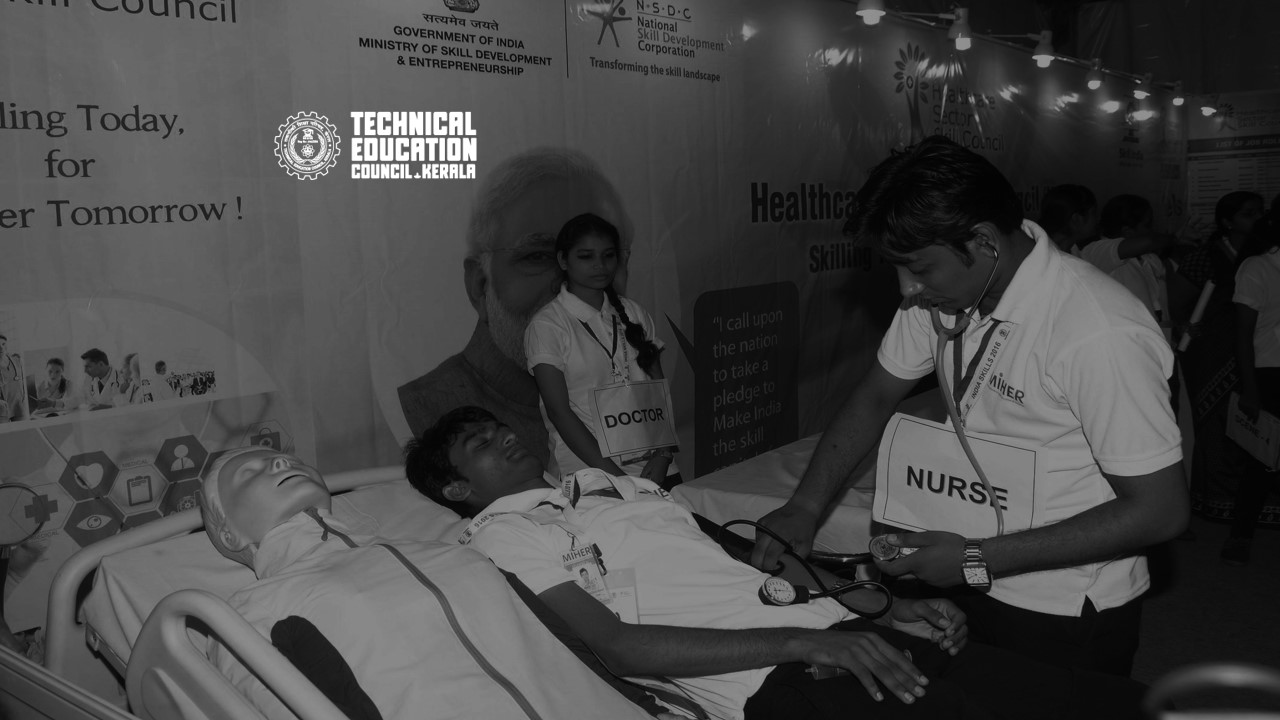
Skill-Based Healthcare Education Is Transforming Employment Opportunities in India
India’s healthcare sector is shifting from traditional academic learning toward skill-based healthcare education and pr… India’s healthcare sector is shifting from traditional academic learning toward skill-based healthcare education and practical training models. Hospitals and healthcare companies today prefer candidates who possess hands-on experience rather than purely theoretical qualifications. This has increased demand for healthcare programs that focus on practical exposure, internships, simulation labs, and real-world clinical training. Courses related to Patient Care Assistance, Medical Laboratory Technology, Healthcare Administration, Dialysis Technology, Radiology, and Physiotherapy are becoming increasingly popular among students. Experts believe India’s healthcare industry will continue expanding rapidly due to rising healthcare awareness, aging populations, digital health systems, and government investments in medical infrastructure. Another major trend is the growth of online healthcare education and hybrid learning systems. Students can now access digital healthcare courses, virtual simulations, and online certifications from anywhere in the country. Healthcare institutions are also integrating technology into education through AI-powered diagnostics training, digital healthcare management systems, and electronic medical records training. For students, skill-based healthcare education offers faster employability, stable career opportunities, and global demand. Many healthcare roles also provide opportunities for international placements and career growth. The future of healthcare education lies in practical learning, technology integration, and continuous skill development. Students who focus on both healthcare expertise and technical skills will be best prepared for the evolving medical industry.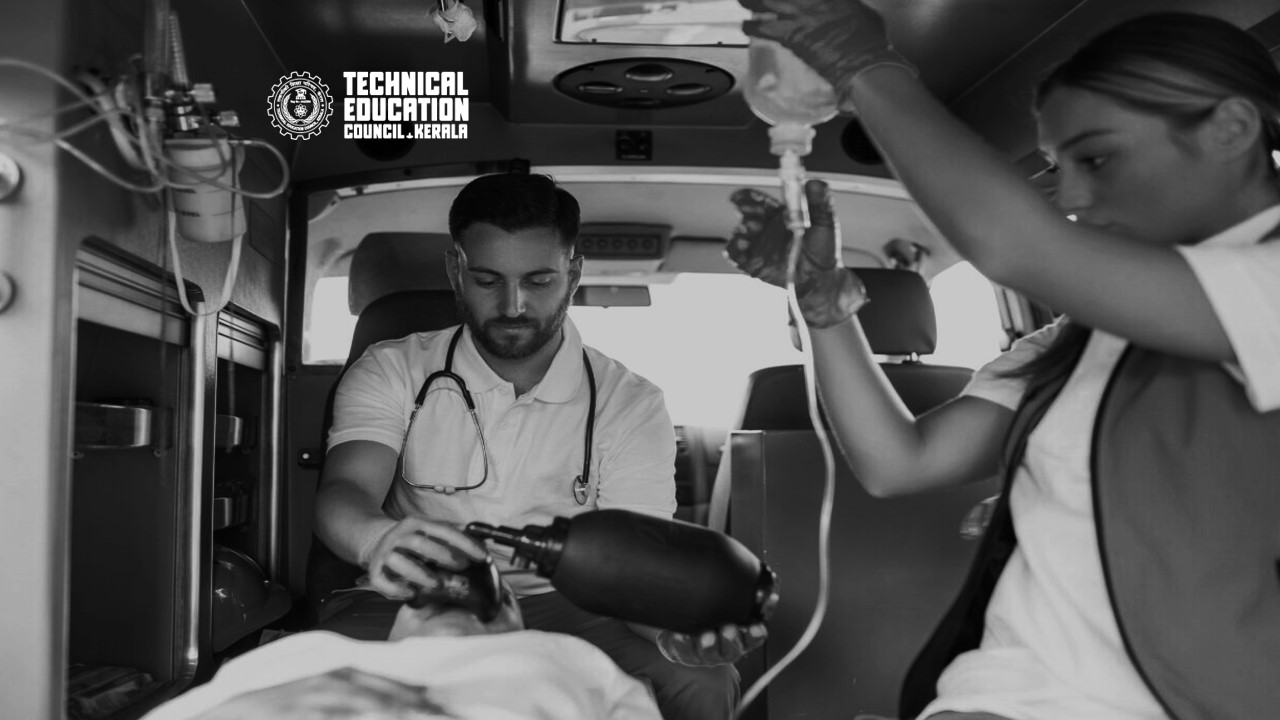
Emergency and Critical Care Training Is Emerging as a Major Healthcare Career
The healthcare industry is witnessing growing demand for professionals trained in Emergency Medical Services (EMS), Cri… The healthcare industry is witnessing growing demand for professionals trained in Emergency Medical Services (EMS), Critical Care Technology, Trauma Care, and Emergency Response Management. The COVID-19 pandemic highlighted the importance of skilled emergency healthcare workers, leading hospitals and healthcare institutions to strengthen critical care infrastructure across India. As a result, technical education institutes are introducing specialized programs in Emergency Care Technology, Critical Care Assistance, Ambulance Services, Trauma Management, and ICU Support Systems. Students in these programs receive practical training in patient monitoring, emergency response procedures, life-saving equipment handling, and hospital emergency protocols. Experts believe emergency healthcare careers will continue to grow rapidly because hospitals require trained professionals to support doctors and nurses during critical medical situations. Modern emergency care also involves the use of advanced technologies such as AI-powered monitoring systems, digital patient records, and telemedicine support systems. This means students must develop both healthcare and technical skills. One of the biggest advantages of emergency healthcare careers is job stability. Skilled emergency care professionals are required in hospitals, ambulance networks, disaster management teams, and healthcare organizations worldwide. For students seeking fast-growing healthcare careers with strong practical impact, emergency medical training offers excellent opportunities in India and internationally. The future of healthcare depends heavily on rapid response systems, and skilled emergency care professionals are becoming essential to modern medical infrastructure.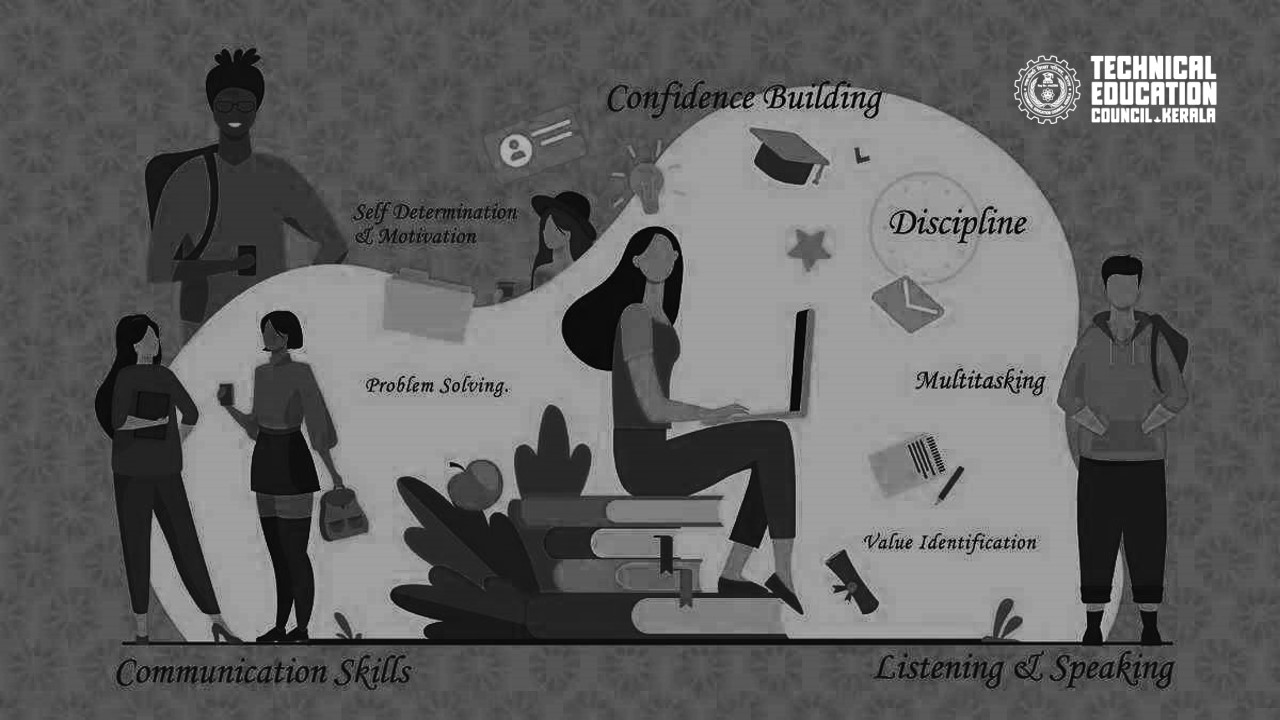
Mental Health and Life Skills Education Are Becoming Essential in Modern Technical Education
In today’s highly competitive world, technical skills alone are no longer enough for career success. Employers are incr… In today’s highly competitive world, technical skills alone are no longer enough for career success. Employers are increasingly valuing communication skills, emotional intelligence, teamwork, adaptability, and stress management alongside academic qualifications. This has led to growing focus on Life Skills Education, Mental Health Awareness, Personality Development, and Soft Skills Training within technical education systems across India. Experts believe modern students face increasing levels of stress due to academic pressure, digital overload, career uncertainty, and changing workplace expectations. As a result, educational institutions are introducing programs focused on mental wellness, confidence building, and professional behavior. Life skills education includes areas such as communication skills, leadership, critical thinking, public speaking, emotional intelligence, conflict management, and time management. Companies today actively seek candidates who can collaborate effectively, handle workplace challenges, and communicate professionally. Technical knowledge may help candidates secure interviews, but life skills often determine long-term career growth. Many technical institutions are now conducting workshops, personality development programs, group discussions, mock interviews, and mentorship sessions to improve students’ professional readiness. Mental health awareness has also become a major priority in education. Institutions are increasingly promoting counseling support, wellness programs, and stress management initiatives for students. Experts say future careers will require not only technical expertise but also emotional resilience and human-centered skills that cannot easily be replaced by Artificial Intelligence. For students, developing life skills is no longer optional—it is becoming a critical part of employability and career success in the modern workforce.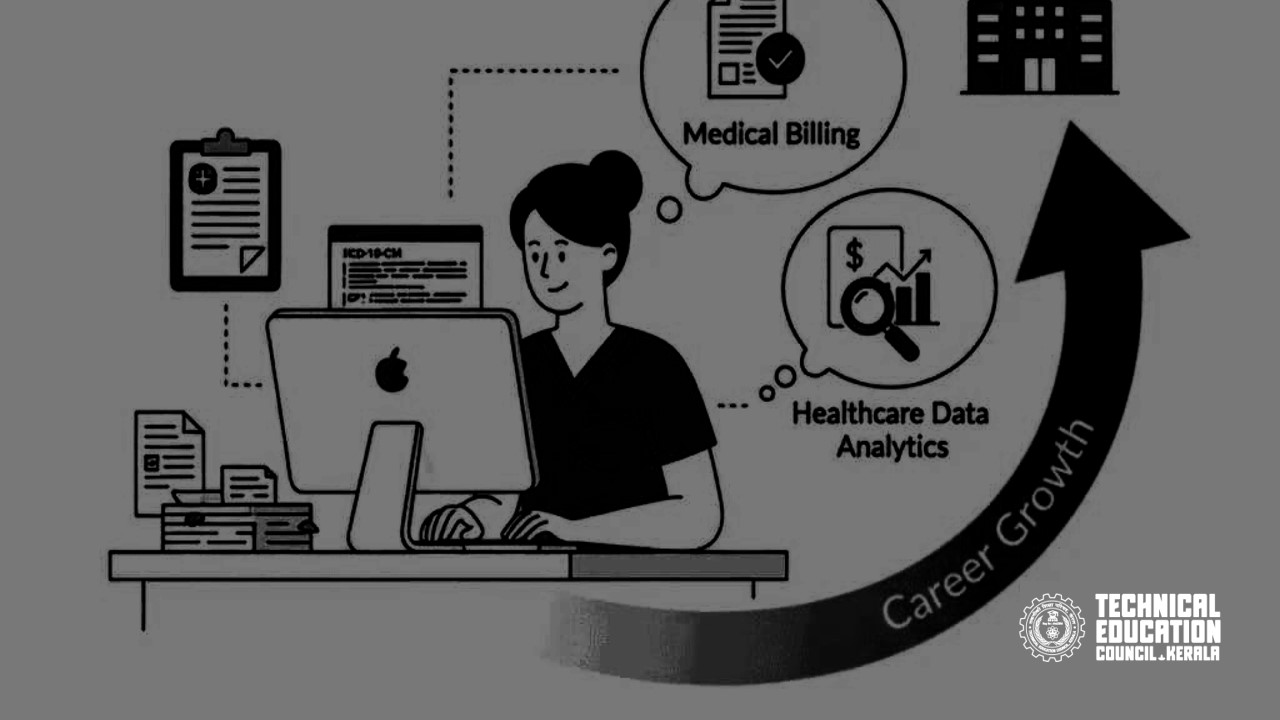
Medical Coding and Healthcare IT Jobs Are Booming in India
India’s healthcare industry is becoming increasingly digital, creating strong demand for professionals skilled in Medic… India’s healthcare industry is becoming increasingly digital, creating strong demand for professionals skilled in Medical Coding, Healthcare IT, Health Information Management, and Electronic Medical Records (EMR). Hospitals, insurance companies, and healthcare outsourcing firms are rapidly hiring trained medical coders who can convert medical diagnoses and procedures into standardized digital codes used globally in healthcare systems. The growth of digital healthcare platforms, telemedicine services, and health insurance systems has made medical coding one of the fastest-growing non-clinical healthcare careers. One of the biggest advantages of medical coding careers is accessibility. Students from life science, paramedical, pharmacy, and even non-medical backgrounds can enter this field through specialized technical training programs. Technical education institutes are introducing Medical Coding certification courses, Healthcare IT programs, and hospital administration training to meet increasing industry demand. Students are trained in international coding systems such as ICD, CPT, and HCPCS alongside healthcare documentation practices. Experts note that India has become a major global hub for healthcare outsourcing services, increasing opportunities for certified healthcare IT professionals. Another major trend is the integration of Artificial Intelligence into healthcare data systems. While AI is automating some repetitive tasks, companies still require trained professionals to ensure accuracy, compliance, and patient data security. For students, healthcare IT offers excellent career opportunities in hospitals, insurance firms, medical BPOs, telehealth companies, and international healthcare organizations. As healthcare becomes increasingly technology-driven, professionals who combine medical knowledge with digital and technical skills will have significant career advantages.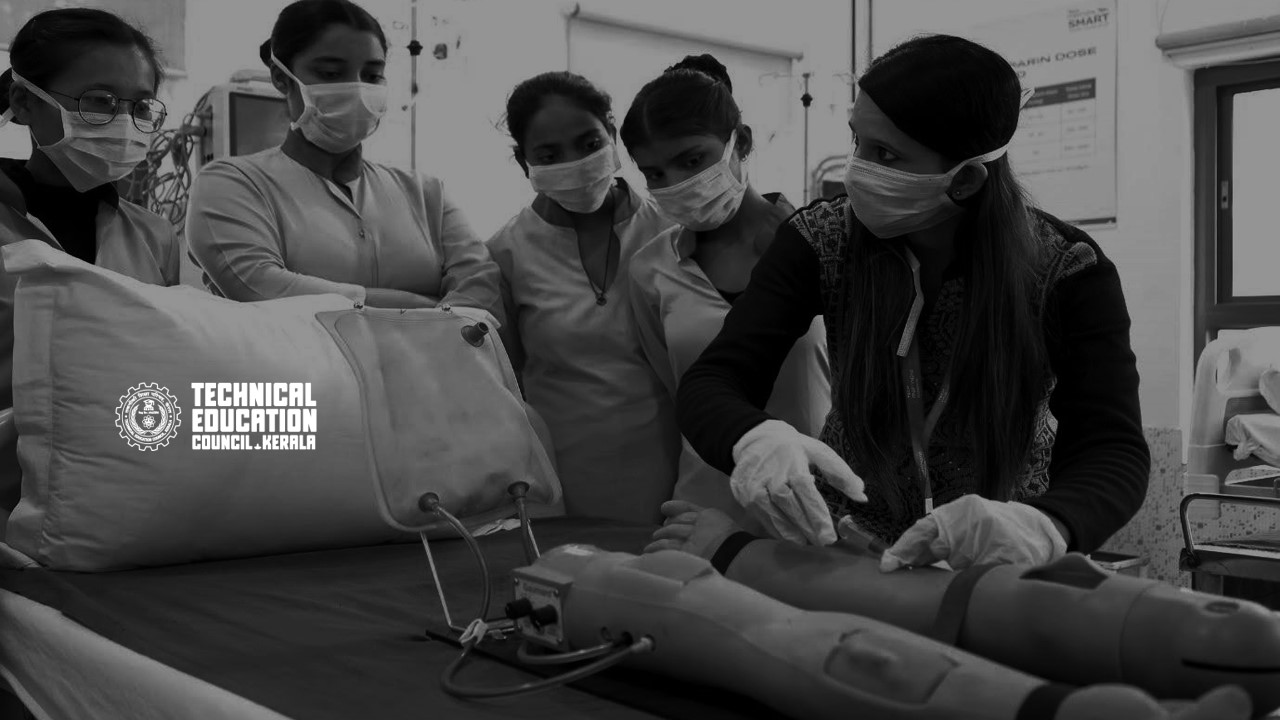
Healthcare Careers Beyond MBBS: Why Paramedical Courses Are Becoming the Fastest-Growing Career Option
For years, students believed that becoming a doctor was the only successful career path in healthcare. But today, India… For years, students believed that becoming a doctor was the only successful career path in healthcare. But today, India’s healthcare industry is witnessing a massive rise in demand for paramedical professionals, healthcare technicians, and allied health specialists. Hospitals, diagnostic centers, laboratories, rehabilitation clinics, and telemedicine companies are actively hiring skilled professionals in fields such as Medical Laboratory Technology, Radiology, Operation Theatre Technology, Dialysis Technology, Emergency Care, Physiotherapy, and Medical Coding. According to healthcare industry estimates, India will require millions of additional healthcare workers in the coming years due to population growth, expanding hospitals, digital healthcare services, and increased medical awareness. One of the biggest reasons behind the popularity of paramedical education is employability. Unlike many traditional degree programs, paramedical courses are highly skill-oriented and provide direct career opportunities after certification. Technical education institutions are increasingly introducing job-oriented healthcare training programs, hospital internships, simulation-based practical training, and industry collaborations. Students now gain hands-on experience using modern medical equipment and digital healthcare systems. The rise of telemedicine, AI-powered diagnostics, and electronic health records has also transformed healthcare careers. Today’s healthcare professionals need both medical knowledge and technical skills. Experts believe paramedical careers will continue to grow rapidly because healthcare systems depend heavily on skilled support professionals. Doctors alone cannot manage the growing healthcare infrastructure without trained technicians and healthcare assistants. For students looking for stable, respected, and employment-focused careers, paramedical education offers enormous opportunities in India and abroad. The future of healthcare is no longer limited to doctors—it belongs to a skilled ecosystem of healthcare professionals working together through technology and practical expertise.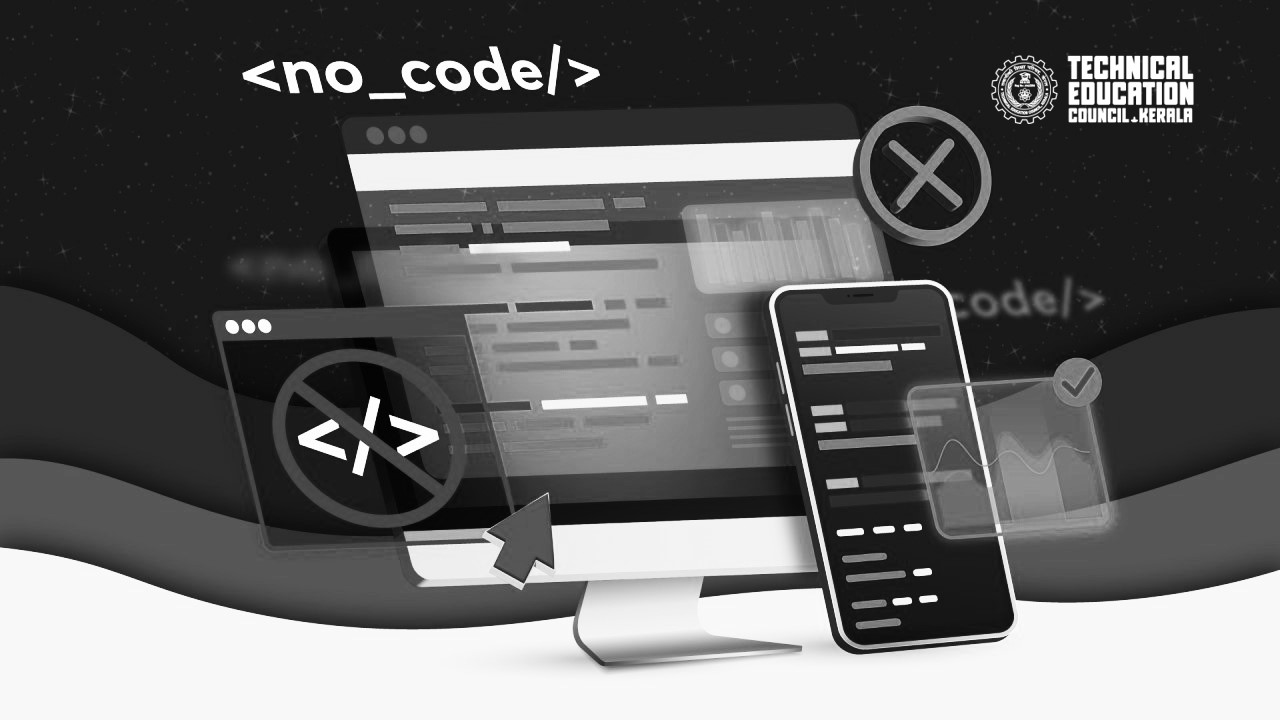
Low-Code and No-Code Development Is Changing the Future of Software Engineering
A new revolution is happening in the technology industry—Low-Code and No-Code Development. Businesses are increasingly … A new revolution is happening in the technology industry—Low-Code and No-Code Development. Businesses are increasingly using platforms that allow applications to be built with minimal traditional coding, enabling faster development and reduced costs. Platforms such as Bubble, Webflow, OutSystems, Microsoft Power Apps, and Zoho Creator are becoming popular among startups, enterprises, and non-technical professionals. Experts believe low-code development will not replace software developers but will instead transform the way applications are built. Developers can now focus more on complex problem-solving while repetitive development tasks become automated. This trend has created new career opportunities in No-Code Development, Automation Consulting, Workflow Design, and Digital Process Management. Technical education institutions are beginning to introduce courses focused on low-code platforms, automation systems, and business application development. The rise of AI-powered coding assistants is also accelerating this movement. Businesses can now develop internal tools, websites, dashboards, and workflows faster than ever before. For students, understanding low-code and automation tools offers a major advantage, especially in startup environments and digital businesses. The future of software engineering is shifting toward faster, smarter, and more accessible development systems. Students who combine traditional programming knowledge with modern low-code technologies will remain highly valuable in the evolving IT industry.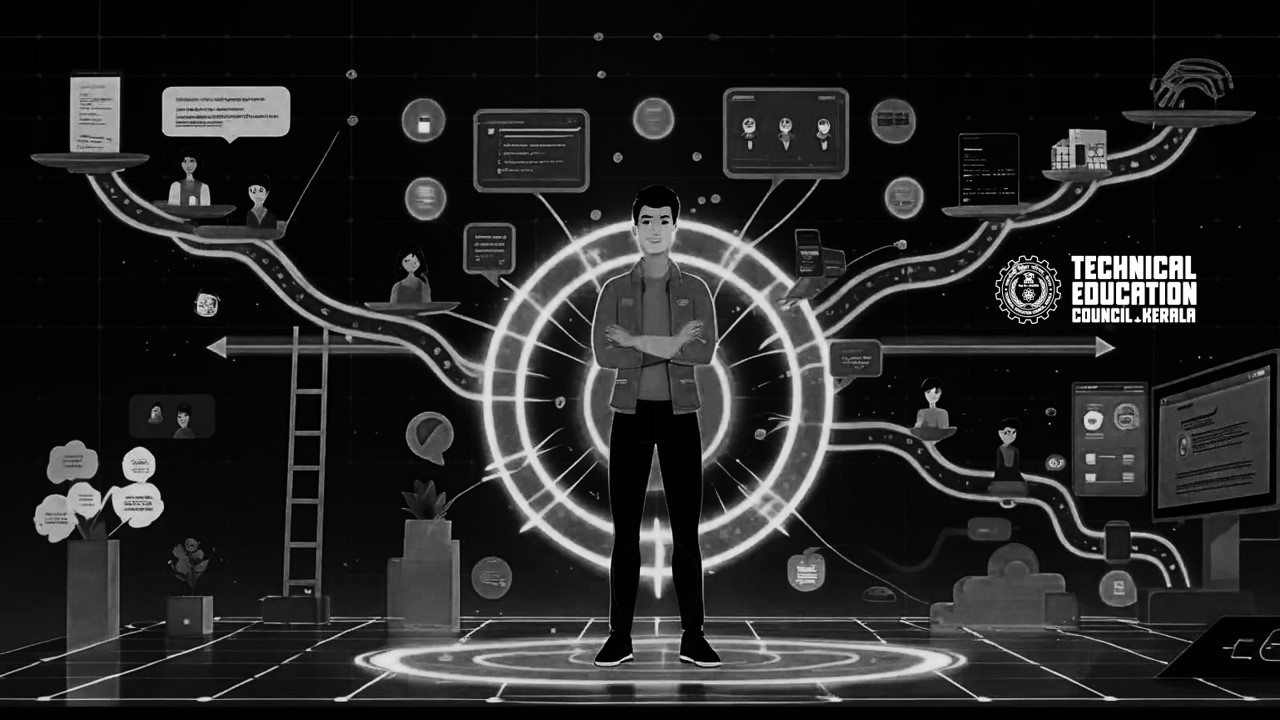
Software Testing Careers Are Rising: Why QA Engineers Are Essential in Modern IT
As software applications become more complex, companies are placing greater importance on quality assurance and softwar… As software applications become more complex, companies are placing greater importance on quality assurance and software testing. Businesses today cannot afford application failures, security vulnerabilities, or poor user experiences. This has created growing demand for professionals skilled in Software Testing, Quality Assurance (QA), Automation Testing, Selenium, API Testing, and Performance Testing. Software testers are responsible for ensuring that applications function correctly, securely, and efficiently before release. Modern QA engineers work closely with development teams to identify bugs, improve performance, and maintain product quality. Technical education institutions are now introducing Software Testing and QA Automation programs that focus on practical learning and real-world project exposure. Students are learning testing tools such as Selenium WebDriver, JMeter, Postman, and Cypress. One major trend is the rise of automation testing. Companies are increasingly automating repetitive testing tasks to improve speed and efficiency. This has increased demand for professionals who understand both coding and testing frameworks. Experts believe software testing careers will continue to grow due to increasing digital transformation and software dependency across industries. For students who are interested in IT careers but not heavily focused on advanced coding, software testing offers an excellent pathway into the technology industry. Roles such as QA Analyst, Automation Tester, Performance Tester, and Software Quality Engineer are becoming critical in modern software development teams.