Emergency and Critical Care Training Is Emerging as a Major Healthcare Career
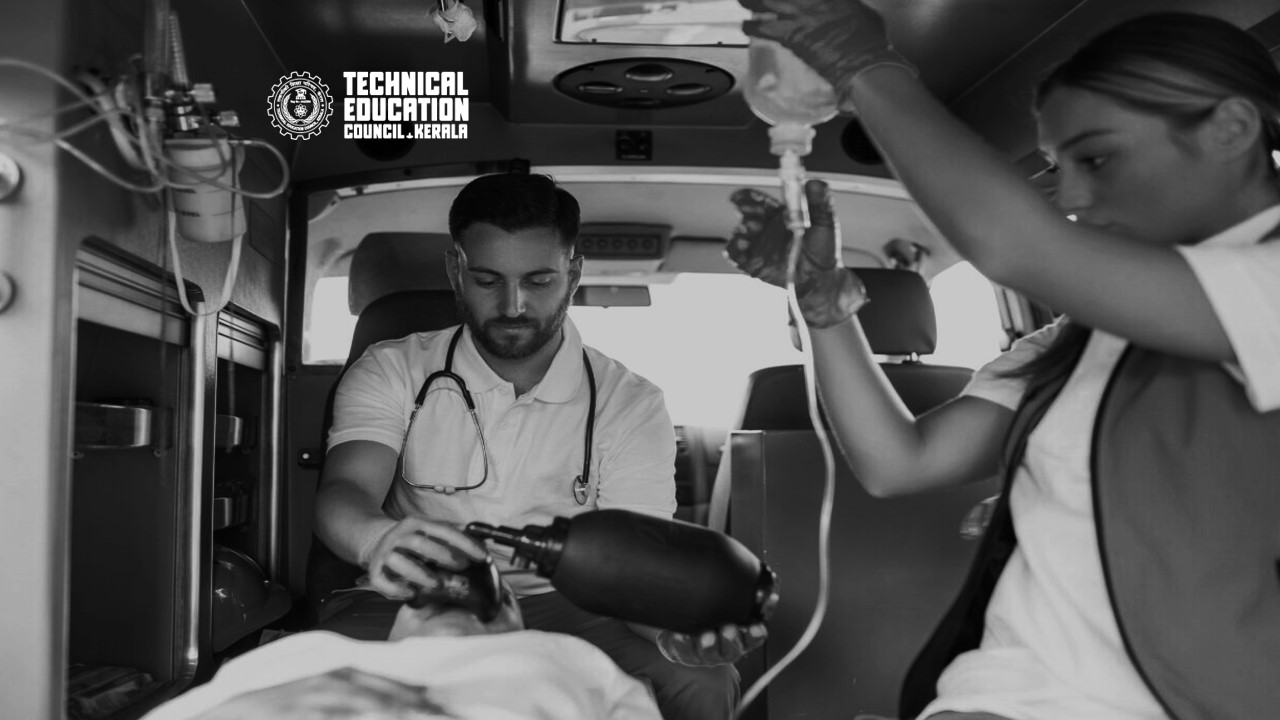
The healthcare industry is witnessing growing demand for professionals trained in Emergency Medical Services (EMS), Critical Care Technology, Trauma Care, and Emergency Response Management.
The COVID-19 pandemic highlighted the importance of skilled emergency healthcare workers, leading hospitals and healthcare institutions to strengthen critical care infrastructure across India.
As a result, technical education institutes are introducing specialized programs in Emergency Care Technology, Critical Care Assistance, Ambulance Services, Trauma Management, and ICU Support Systems.
Students in these programs receive practical training in patient monitoring, emergency response procedures, life-saving equipment handling, and hospital emergency protocols.
Experts believe emergency healthcare careers will continue to grow rapidly because hospitals require trained professionals to support doctors and nurses during critical medical situations.
Modern emergency care also involves the use of advanced technologies such as AI-powered monitoring systems, digital patient records, and telemedicine support systems. This means students must develop both healthcare and technical skills.
One of the biggest advantages of emergency healthcare careers is job stability. Skilled emergency care professionals are required in hospitals, ambulance networks, disaster management teams, and healthcare organizations worldwide.
For students seeking fast-growing healthcare careers with strong practical impact, emergency medical training offers excellent opportunities in India and internationally.
The future of healthcare depends heavily on rapid response systems, and skilled emergency care professionals are becoming essential to modern medical infrastructure.