
DevSecOps Is Replacing Traditional DevOps: Why Security Is Now Every Developer's Responsibility
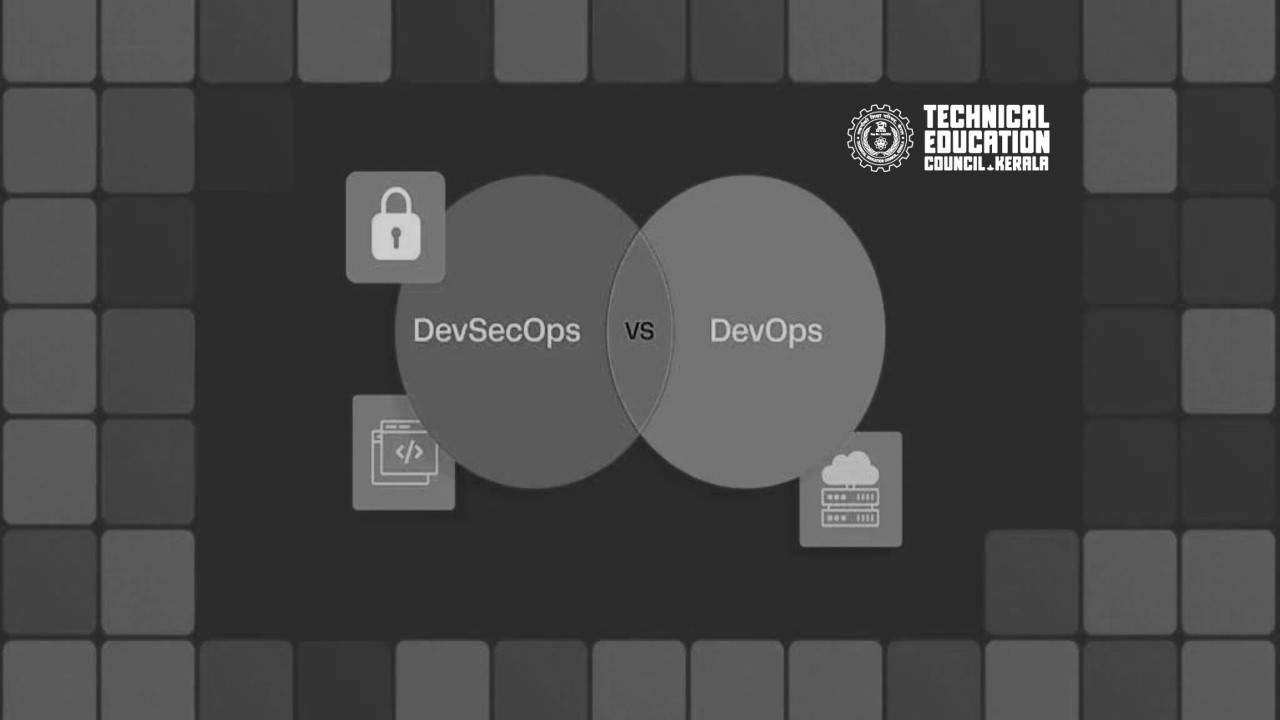
For years, software development and cybersecurity operated as separate departments. Developers built applications, while security teams tested them later.
That model is rapidly disappearing.
Today's organizations are adopting DevSecOps, where security becomes an integral part of every stage of software development—from planning and coding to testing, deployment, and maintenance.
Instead of identifying vulnerabilities after software is completed, DevSecOps integrates automated security testing throughout the development lifecycle.
This approach reduces security risks while enabling faster software delivery.
Students entering software development careers increasingly need practical knowledge of Git, CI/CD Pipelines, Docker, Kubernetes, Secure Coding, API Security, Vulnerability Scanning, Infrastructure as Code, and Cloud Security.
Research published in 2026 also emphasizes integrating Zero Trust principles and security-first practices directly into API development pipelines to reduce vulnerabilities before deployment.
Companies actively recruit professionals who understand secure software engineering because cybersecurity has become a business priority rather than an optional requirement.
Technical education institutions are expanding internship programs that combine programming with cloud security and automation.
For students, learning DevSecOps provides opportunities across software development, cloud engineering, cybersecurity, fintech, healthcare technology, and enterprise IT.
The future software engineer is expected not only to build applications but also to secure them from the very beginning.