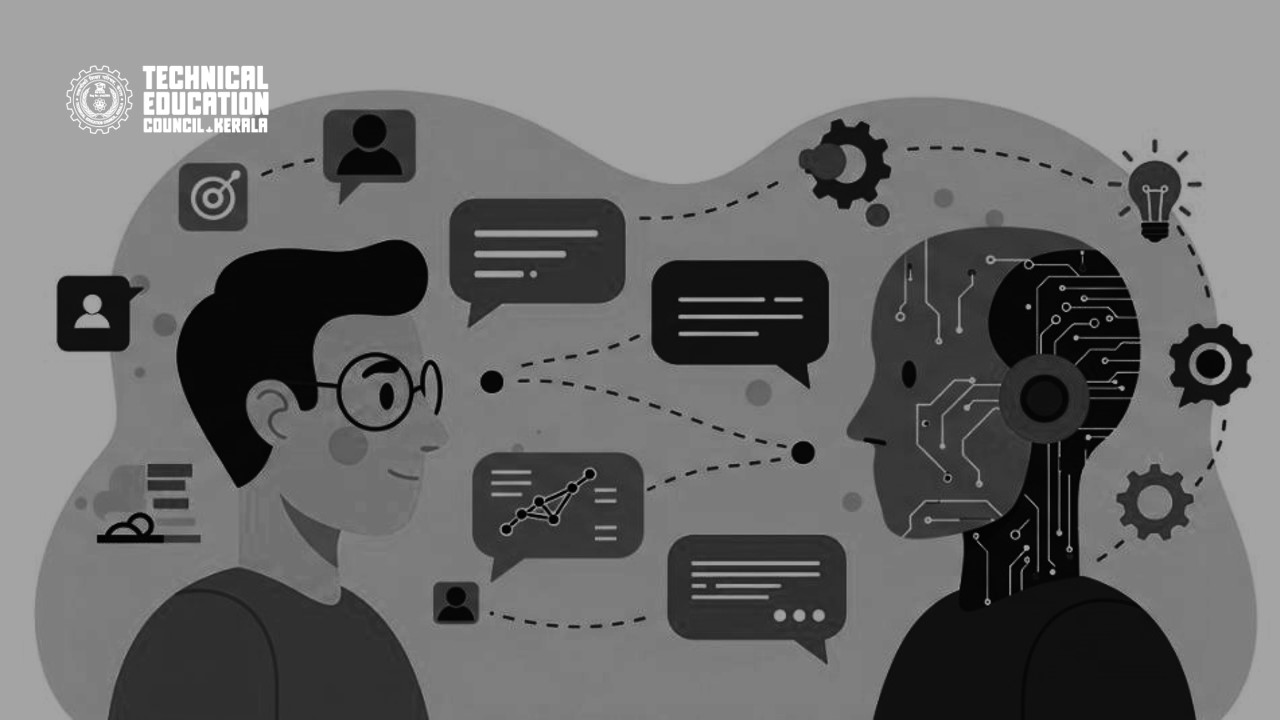
Spatial Computing Is Opening a New World of Technical Careers
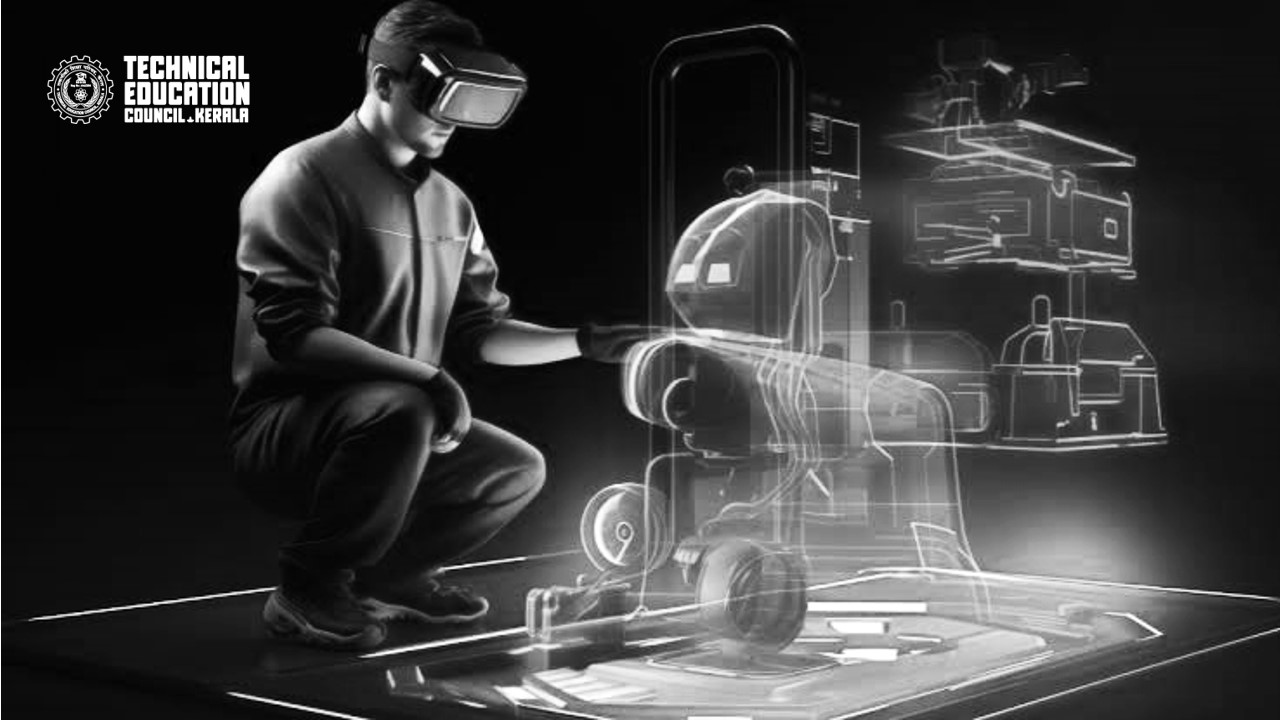
While Artificial Intelligence continues making headlines, another technology is quietly gaining momentum—Spatial Computing.
Spatial Computing combines Augmented Reality (AR), Virtual Reality (VR), Mixed Reality (MR), Artificial Intelligence, Computer Vision, and 3D Mapping to create immersive digital experiences.
Manufacturing companies use spatial computing to train workers safely. Medical professionals perform realistic surgical simulations. Engineers visualize complex industrial systems before construction. Retail businesses create virtual shopping experiences, while educational institutions develop immersive learning environments.
Technical education providers are beginning to introduce interdisciplinary programs combining software development, 3D design, AI, computer vision, gaming technologies, and user experience design.
Students with knowledge of Unity, Unreal Engine, Computer Graphics, Artificial Intelligence, AR Development, VR Programming, and Spatial Design will find growing opportunities across multiple industries.
Industry experts predict that spatial computing will transform engineering, healthcare, manufacturing, architecture, education, and entertainment over the coming decade.
The technology also creates opportunities for entrepreneurs developing immersive training platforms, digital collaboration tools, and virtual workplaces.
As hardware becomes more affordable and AI capabilities continue expanding, spatial computing is expected to become a mainstream technology.
Students entering technical education today can position themselves at the forefront of this next-generation computing revolution.