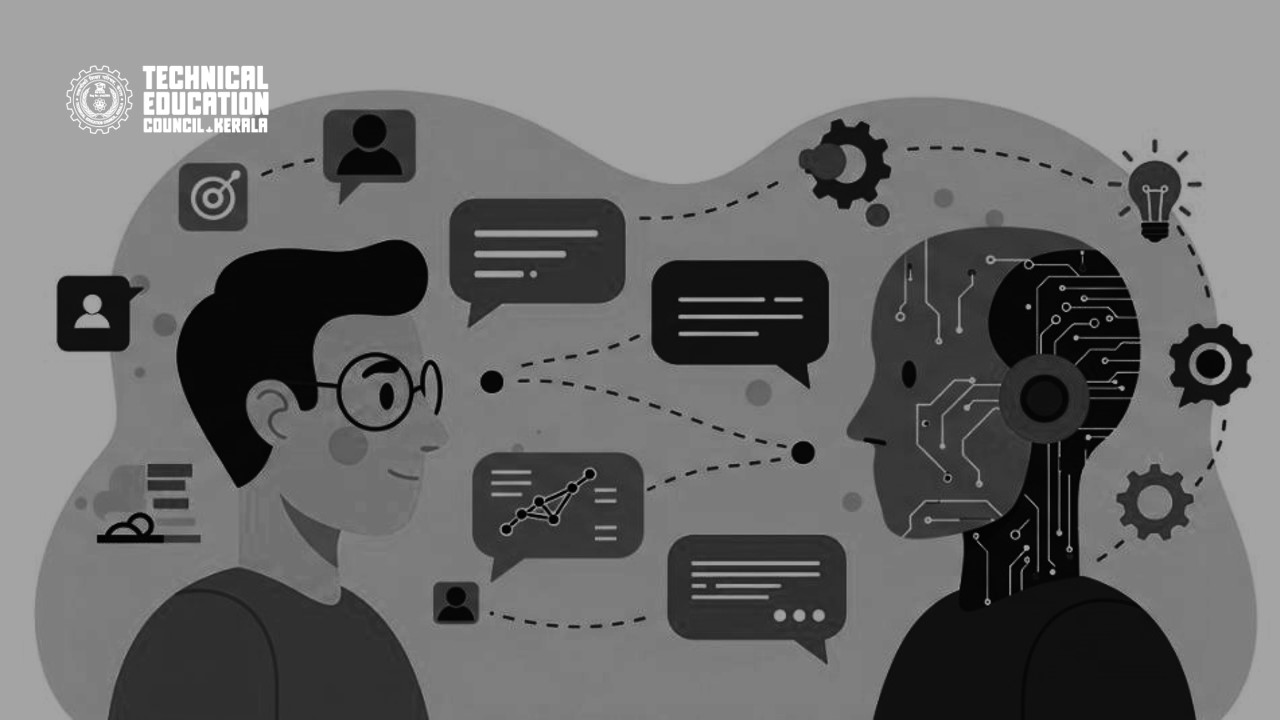
Digital Twin Technology Is Transforming Creative Design Careers: The Future Every Student Should Know
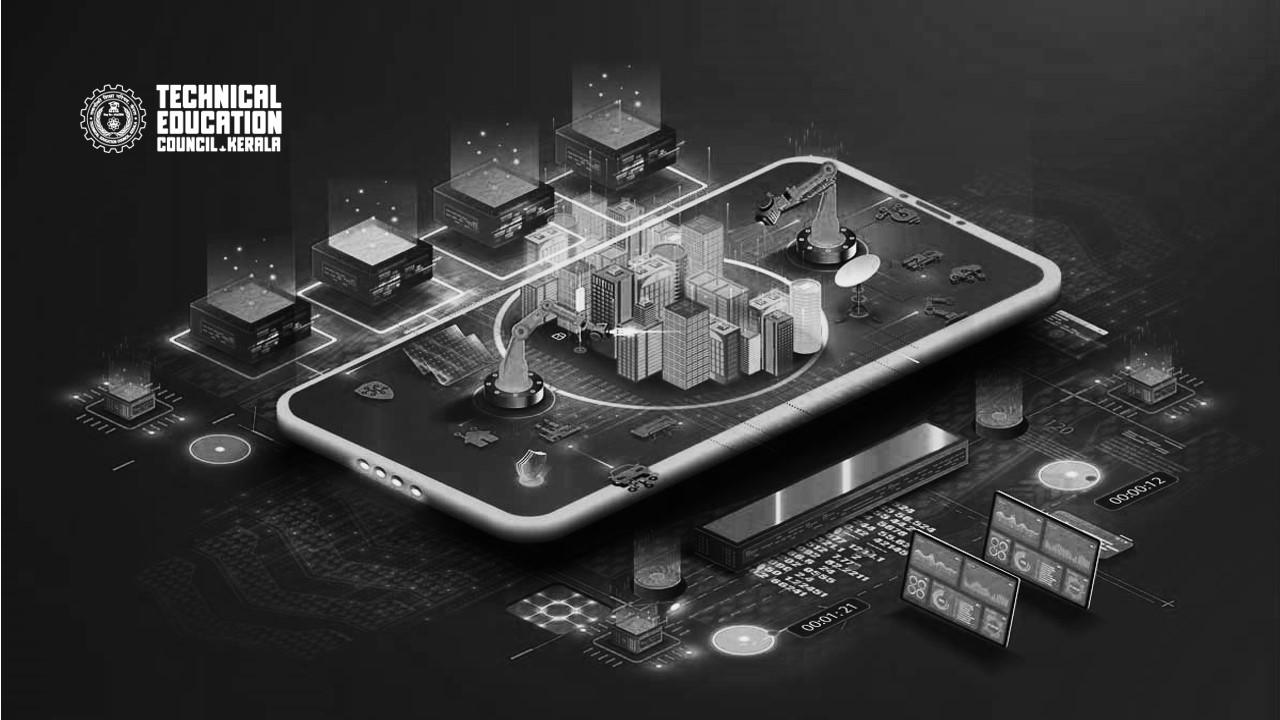
The world of design is evolving beyond traditional sketches and computer graphics. One of the newest innovations influencing architecture, manufacturing, entertainment, urban planning, healthcare, and product development is Digital Twin Technology. While many students are familiar with 3D modeling and animation, Digital Twins represent an entirely new career path where virtual models replicate real-world objects, systems, or environments in real time.
A Digital Twin is a dynamic digital representation of a physical object. Engineers use it to simulate factories, architects visualize smart buildings before construction, healthcare professionals model hospitals, and filmmakers create realistic virtual production environments. Companies such as automotive manufacturers, aerospace firms, and smart city developers are investing heavily in Digital Twin technology.
For students pursuing Graphic Design, Animation, Interior Design, Architecture, Game Design, or Visual Communication, this technology opens exciting employment opportunities. Designers now collaborate with software developers, AI engineers, and data scientists to build immersive digital experiences.
Technical education institutions are gradually introducing interdisciplinary programmes covering 3D Design, CAD Modeling, Blender, Unreal Engine, Unity, Artificial Intelligence, Internet of Things (IoT), and Virtual Simulation.
Graduates with Digital Twin expertise can work as Digital Experience Designers, 3D Visualization Specialists, Simulation Designers, Virtual Environment Developers, and Product Visualization Experts.
The future of creative design lies in combining imagination with intelligent technology. Students who embrace Digital Twin platforms today will be among the most sought-after professionals in tomorrow's digital economy.